
How to recognize an alpaca
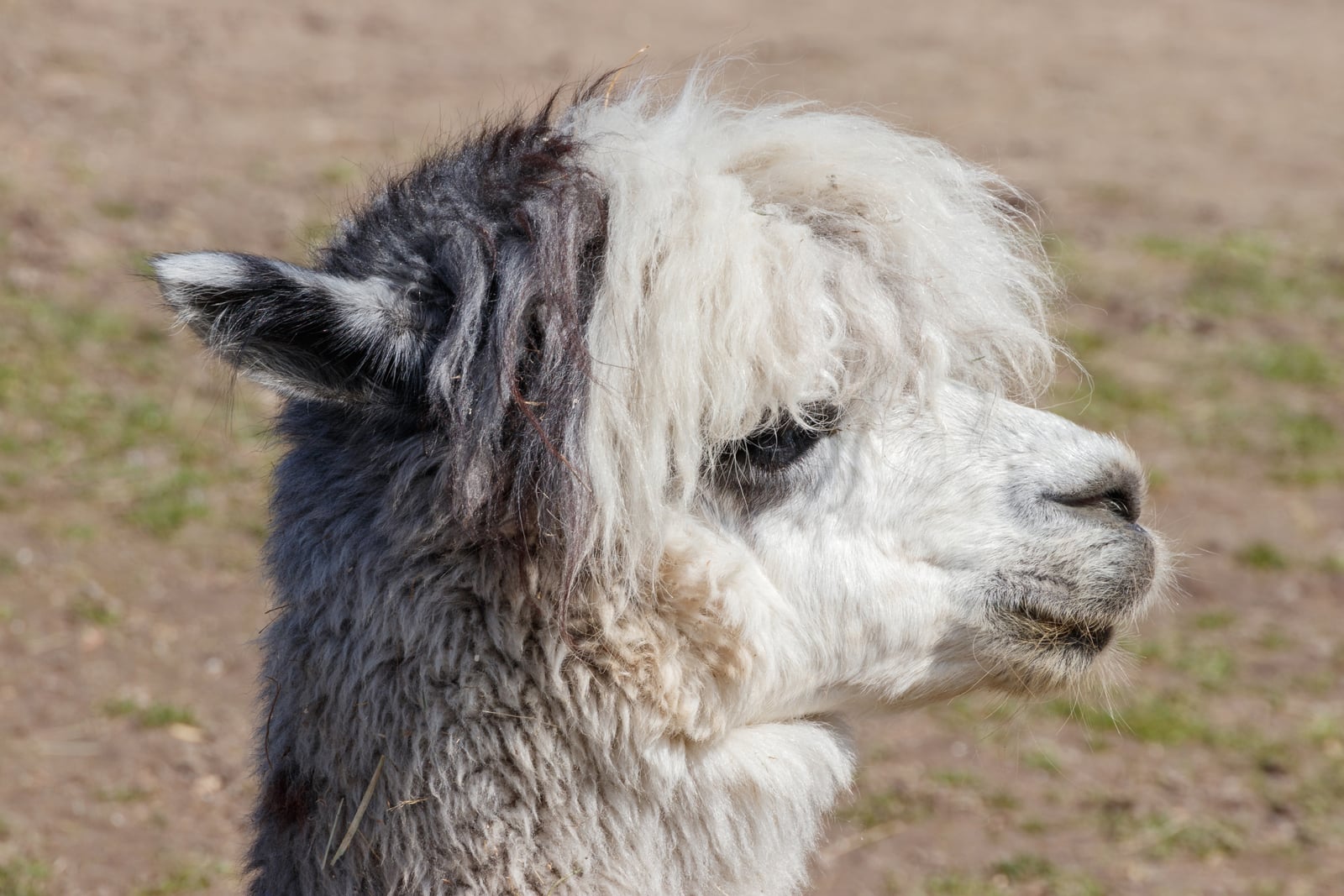
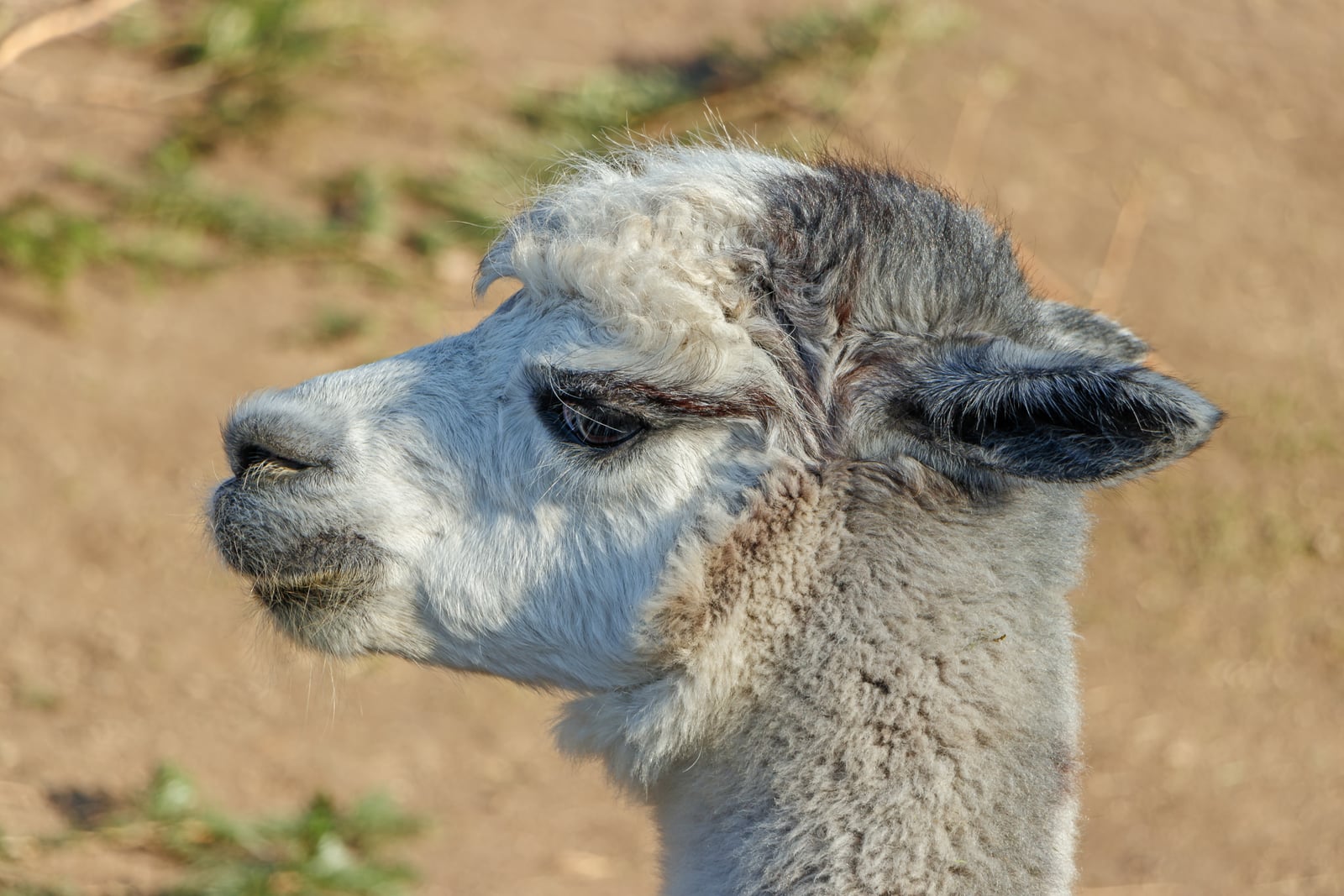
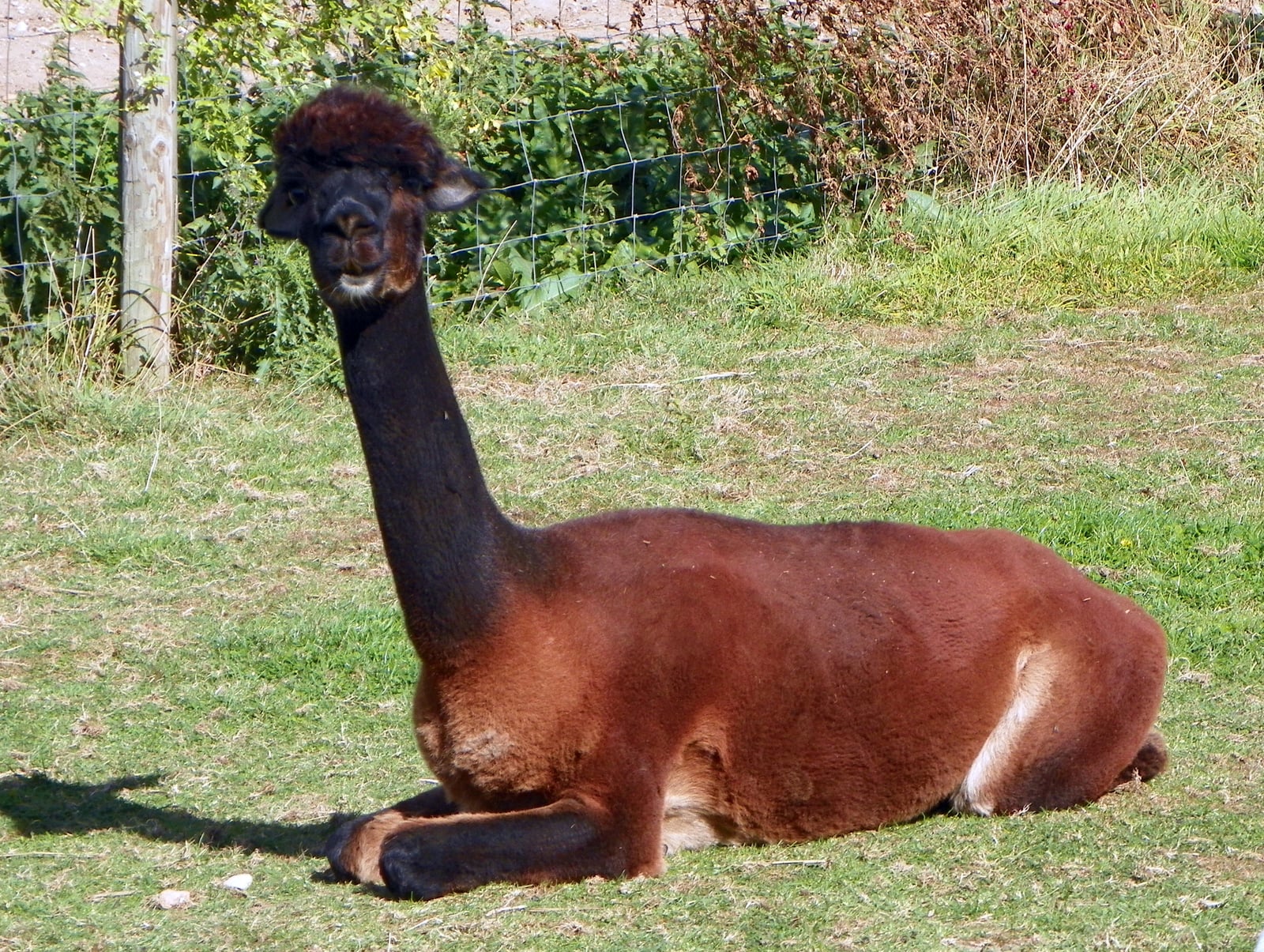
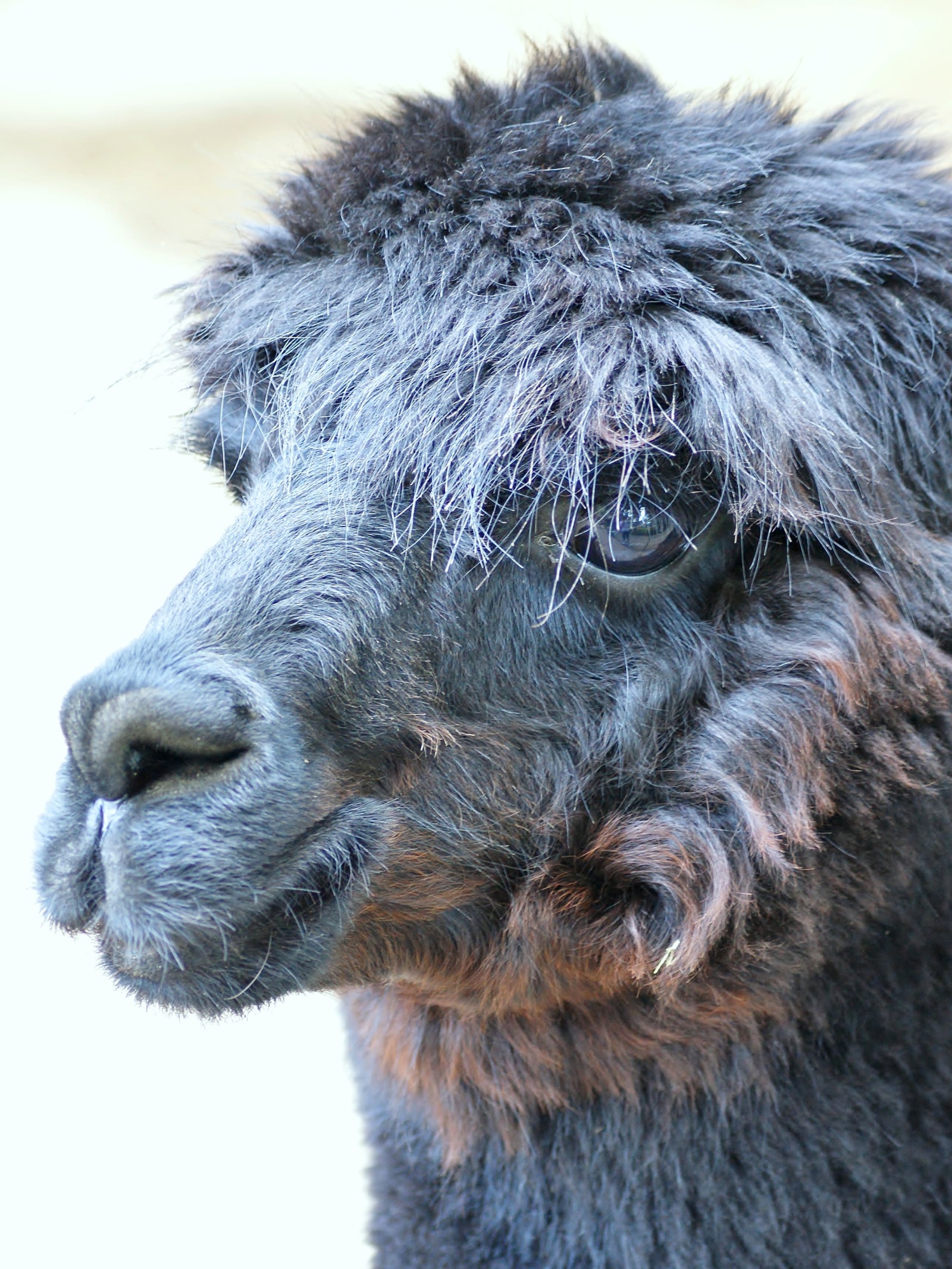
An alpaca has a long neck, a compact body, and a thick coat that can hide much of its shape. Its ears are short and spear-shaped. The face is blunt, with large eyes and a split upper lip. Coat color ranges from white through tan, brown, gray, and black. Some animals have patches of more than one color.
The easiest confusion is a llama. Alpacas are generally smaller and more compact, with shorter faces and shorter ears. A llama’s ears often curve inward like bananas. Llamas were developed mainly as pack animals, while alpacas were bred chiefly for fiber. Heavy fleece can blur these differences, so body size and ear shape are more useful together than either feature alone.
Alpacas also carry their tails close to the body. A llama may lift its tail higher, especially when alert. Both animals can spit when stressed or competing over food, but that behavior doesn’t help much with identification.
Submitted US records, not a wild range
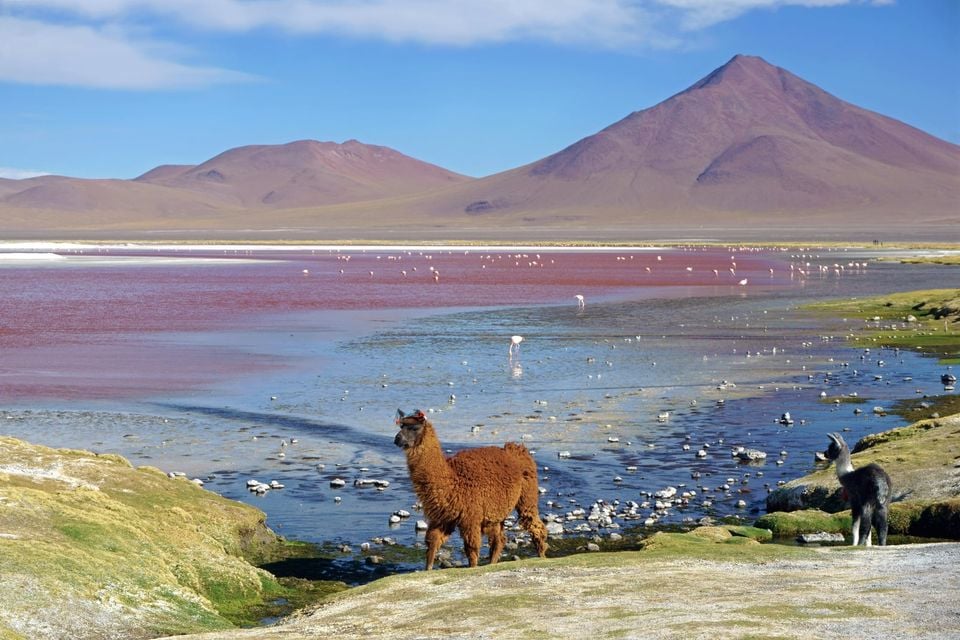
Alpacas descend from camel relatives of the high Andes. People now keep them on farms across the United States for fiber, breeding, shows, and companionship. They aren’t native to the United States, and the atlas has no authority-backed evidence of an established wild population here.
The submitted records from Colorado and New Mexico need that context. A report confirms that an observer documented an alpaca at a particular place and time. It doesn’t show that alpacas are breeding in the wild or spreading through either state. Farm animals, pets, and temporary escapees can all appear in biodiversity databases.
The national occurrence pattern is thin for the same reason. Most alpacas live behind fences, and owners don’t routinely submit them to wildlife projects. The few mapped reports reflect observer choices as much as the distribution of farms. Records aren’t a population count, and an empty area on the map doesn’t mean alpacas are absent from local agriculture.
Life in a herd
Alpacas are social and usually do best with others of their kind. A herd watches, rests, and moves together. Individuals communicate with posture, ear position, soft humming calls, and alarm calls. When one animal notices a possible threat, the rest often turn to look in the same direction.
Their feet have two toes with soft pads rather than hard hooves. That design gives them steady footing and can be gentler on pasture than the feet of heavier livestock. They graze grasses and browse other plants, clipping vegetation with the lower incisors and a firm pad on the upper jaw.
Like other camel relatives, alpacas bring swallowed plant material back up and chew it again. This lets them draw more nutrition from coarse forage. They also tend to use shared dung piles, a herd habit that can make pasture management easier for keepers.
Dense fleece insulates alpacas in cold, windy conditions, but it can become a burden in humid summer heat. Shade, airflow, clean water, and regular shearing are parts of responsible husbandry in warmer or more humid settings. Those needs come from domestication and care, not from a natural adaptation to any reported US location.
Fiber, breeding, and young
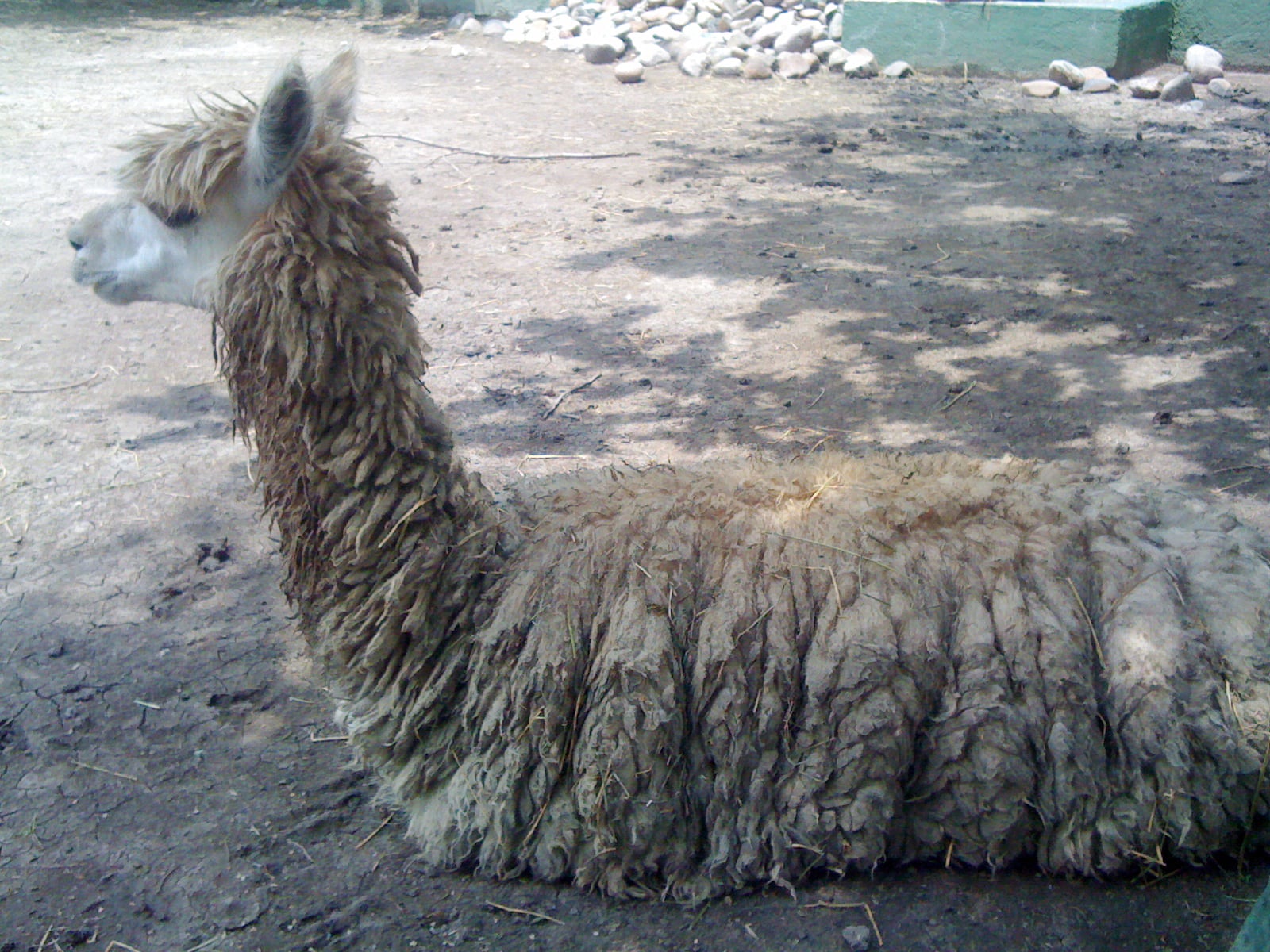
Alpaca fiber is valued because it’s warm, light, and available in many natural colors. It lacks the heavy grease found in sheep’s wool. Most animals are shorn once a year, usually before the hottest weather. Fiber quality varies by animal, age, body area, and breeding line.
There are two widely recognized fleece types. Huacaya alpacas grow a springy coat that stands out from the body. Suri alpacas grow long locks that hang down. These aren’t separate species. They’re domestic forms selected for different fiber traits.
Females usually give birth to one young, called a cria. Twins are unusual. Births often happen during daylight, which may give a newborn time to dry and begin nursing before cold nighttime temperatures. The mother and cria use scent and quiet calls to recognize each other.
Alpacas don’t follow the narrow seasonal breeding window seen in many wild mammals. Females release an egg in response to mating, so breeders can manage timing. That biology helps explain why farm births can occur across much of the year, though local weather and husbandry still shape breeding plans.
What the records can and can’t tell us
Alpacas don’t have a meaningful wild conservation rank because they’re a domesticated animal. Their wild family history lies in South America, while alpacas kept in the United States depend on people for fencing, veterinary care, and managed food and shelter.
For atlas readers, the useful lesson is about interpreting occurrence data. A verified photograph can identify an animal without proving a wild population. That distinction matters whenever domestic species, zoo animals, or escapees appear in a biodiversity database. The Colorado and New Mexico reports are real records of alpacas, but they aren’t evidence that alpacas belong on either state’s list of wild mammals.




