
Llama

Domesticated

Lama glama

NENot Evaluated

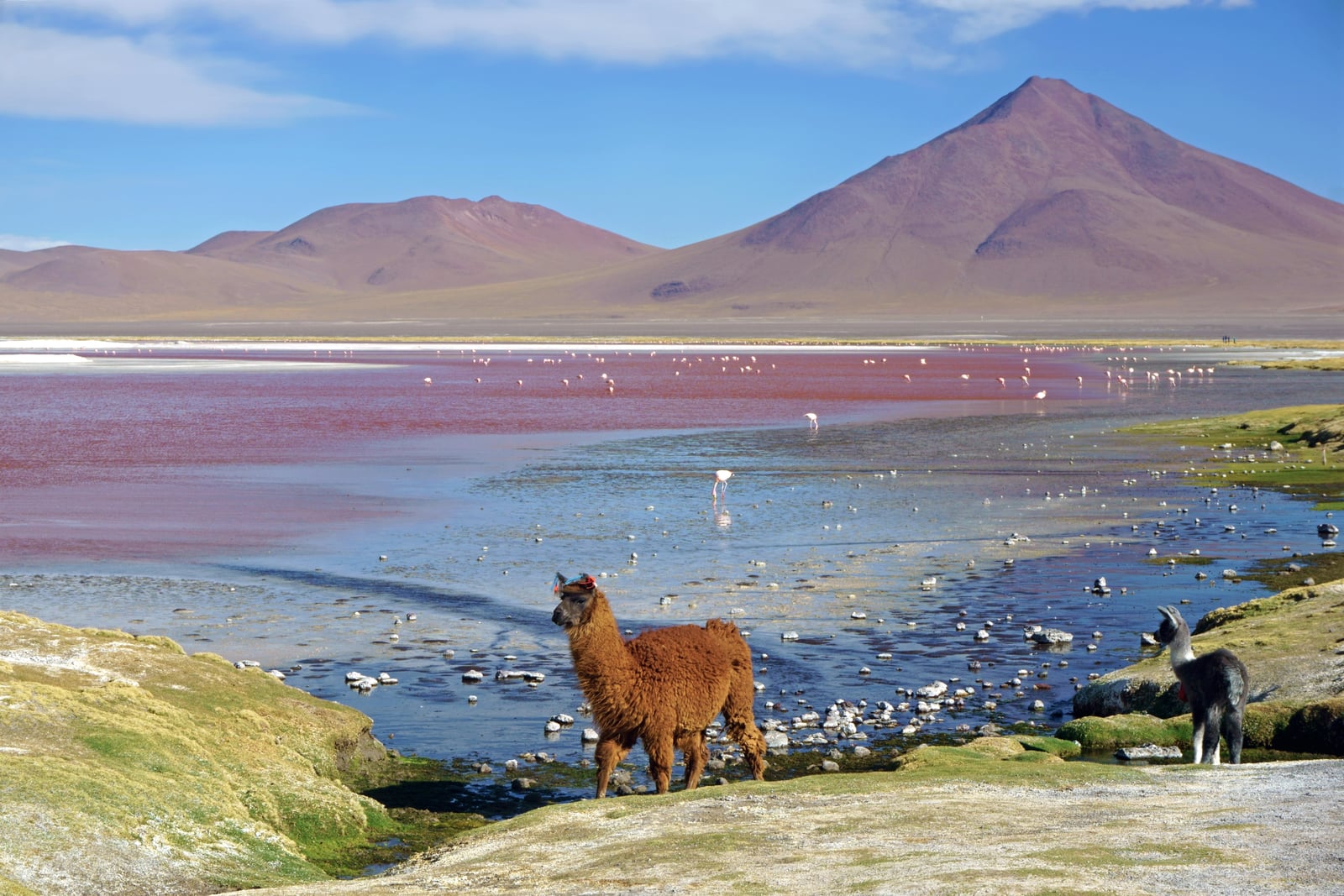
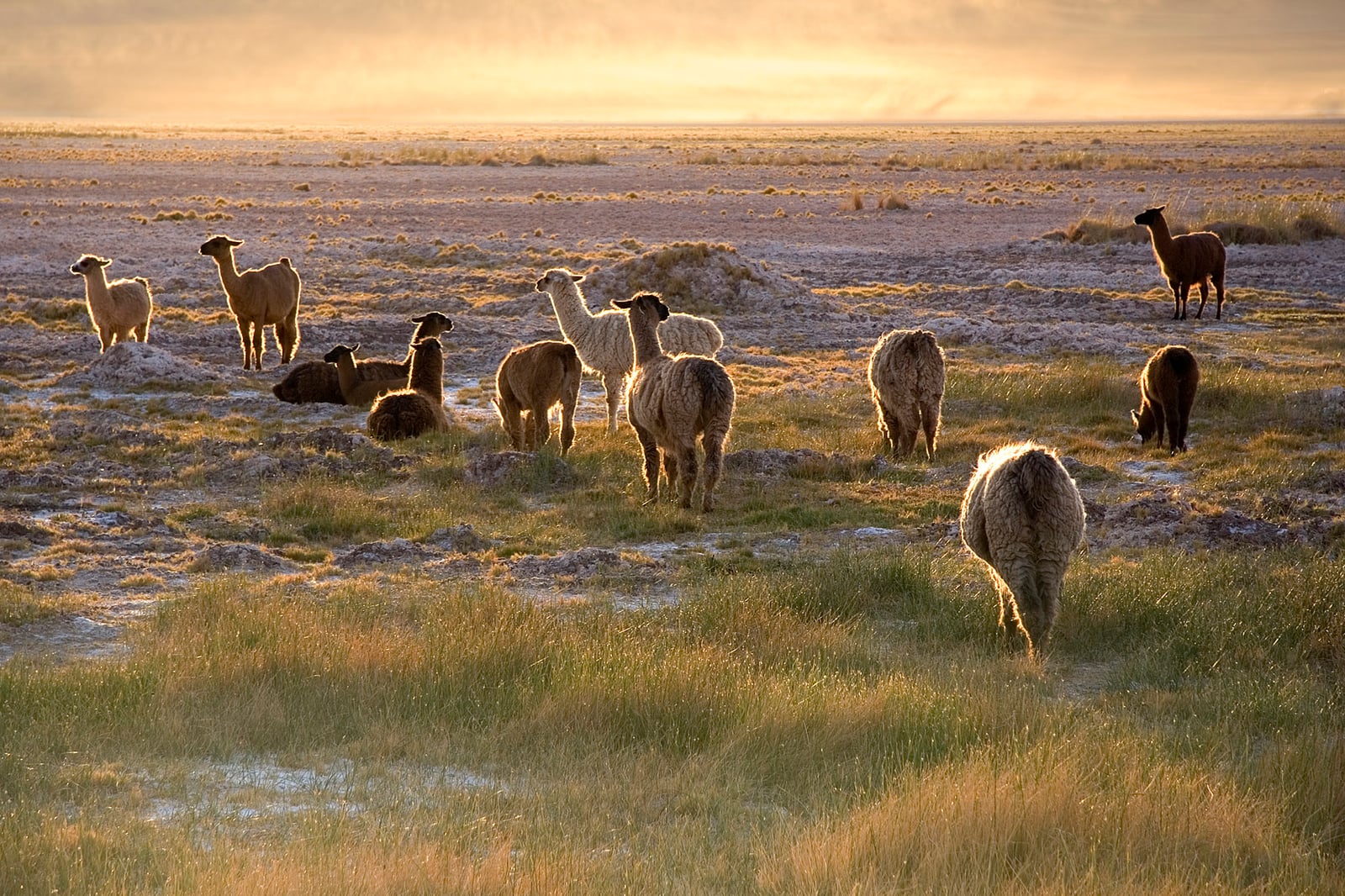
Llamas descend from wild guanacos of the South American highlands, domesticated by Andean cultures thousands of years ago as pack animals capable of carrying loads across brutal mountain terrain. In the United States, they are primarily livestock and pets, kept for fiber, companionship, packing, or as guard animals. Submitted records can describe managed animals or escapes and do not establish a wild US population or range.

IUCN Red List status

NE – Not Evaluated

Not yet assessed against IUCN Red List criteria.

Trophic relationshipsFood web What a Llama eats, and what eats it.
Eaten by3
Mountain LionPuma concolorGray WolfCanis lupusDomestic DogCanis lupus familiaris
This speciesLlama
Tufted Hair GrassDeschampsia cespitosaPygmy GentianGentiana prostrataAlpine TimothyPhleum alpinum
Eats3

A sample of documented feeding relationships, filtered to species that also occur in the US. Diet and predators vary by region and season, and this is not a complete list, many animals eat, and are eaten by, more than what has been formally recorded here.

Life history

The Llama (112.5 kg248 lb) is a herbivore that first breeds around 2.2 years, carries a 330-day gestation, and bears about 1 young per litter. Maximum recorded longevity is 28.9 years.

Life cycle

  1. Gestation330 days (≈10.8 months)
  2. Birthlitter of 1 young
  3. Sexual maturity2.2 yr (female)
  4. Typical lifespan28.9 years
  5. Maximum recorded longevity28.9 years

Reproduction

Gestation
330days≈10.8 months
Litter size
1youngaverage
Litters / year
0.69littersabout one every 1.4 years
Age at first breeding
2.2years

Diet composition

Herbivore

By foraging composition: 100% plant material.

  • Plant material100%

Most active during the day.

Typical values for the species, not local measurements. Maximum longevity is the longest lifespan on record; most individuals live far less.

Commonly confused with

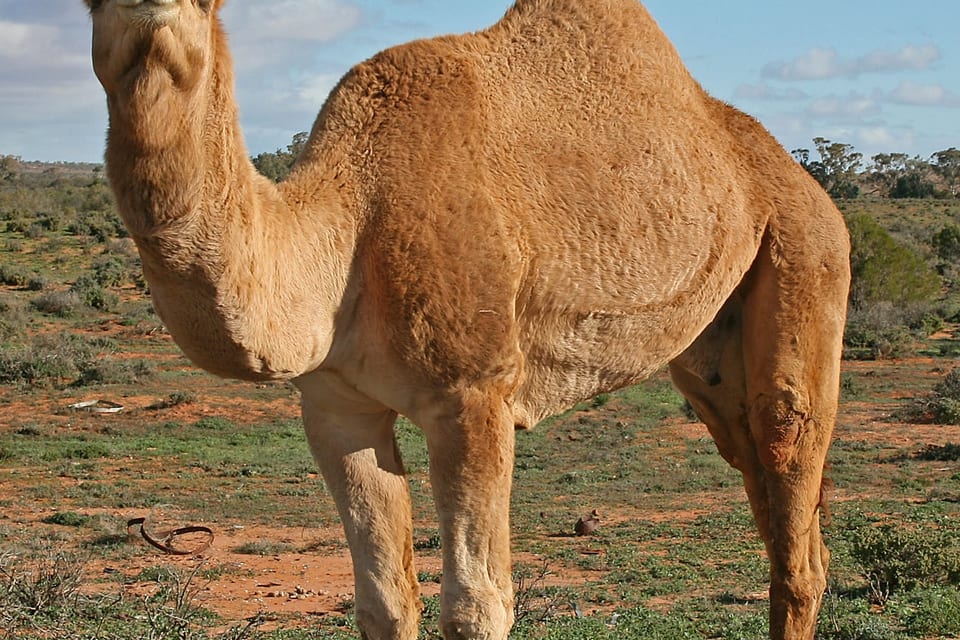
Animals people sometimes mistake for the llama, and how to tell them apart.

A camel relative built for thin mountain air

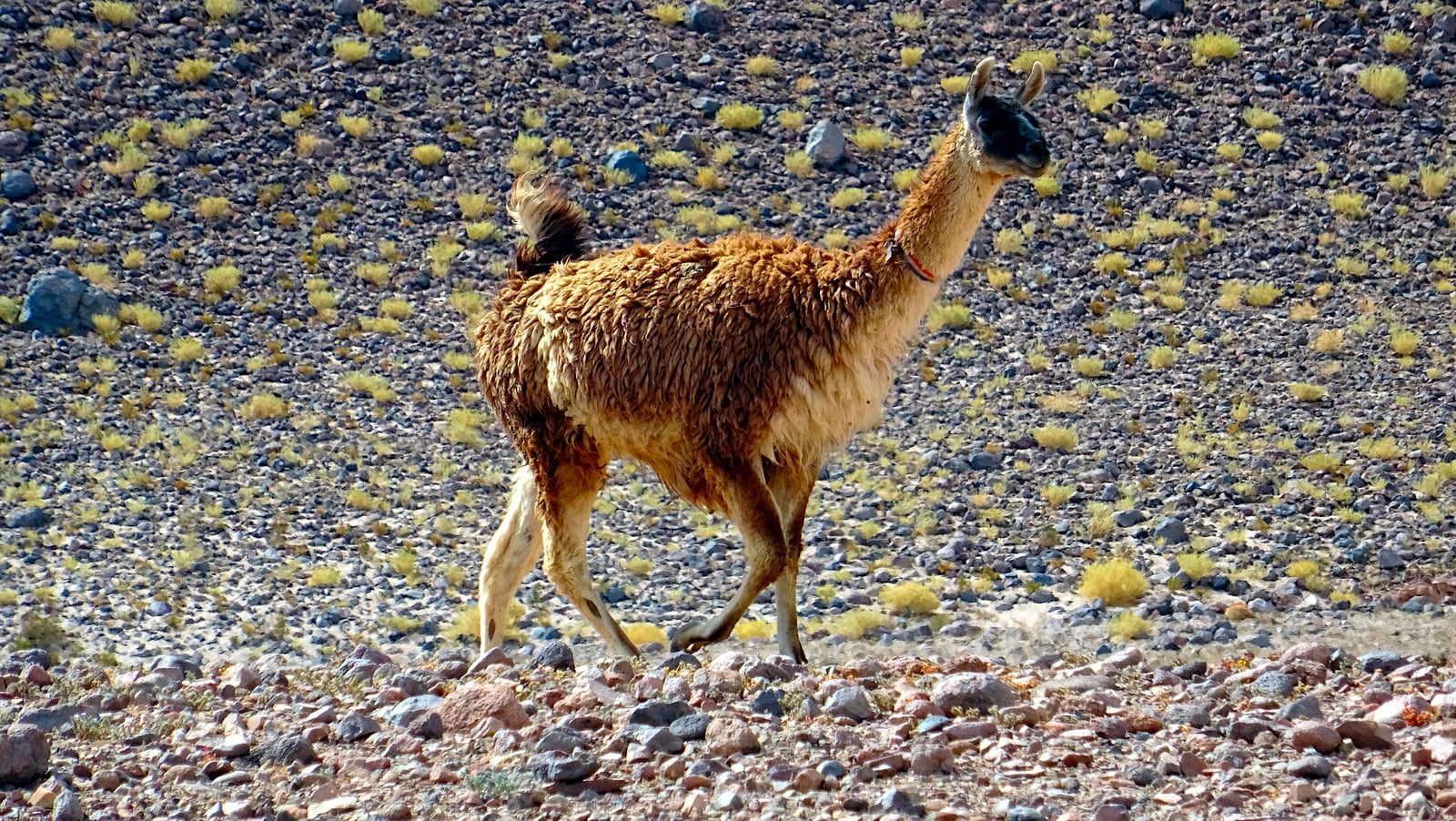
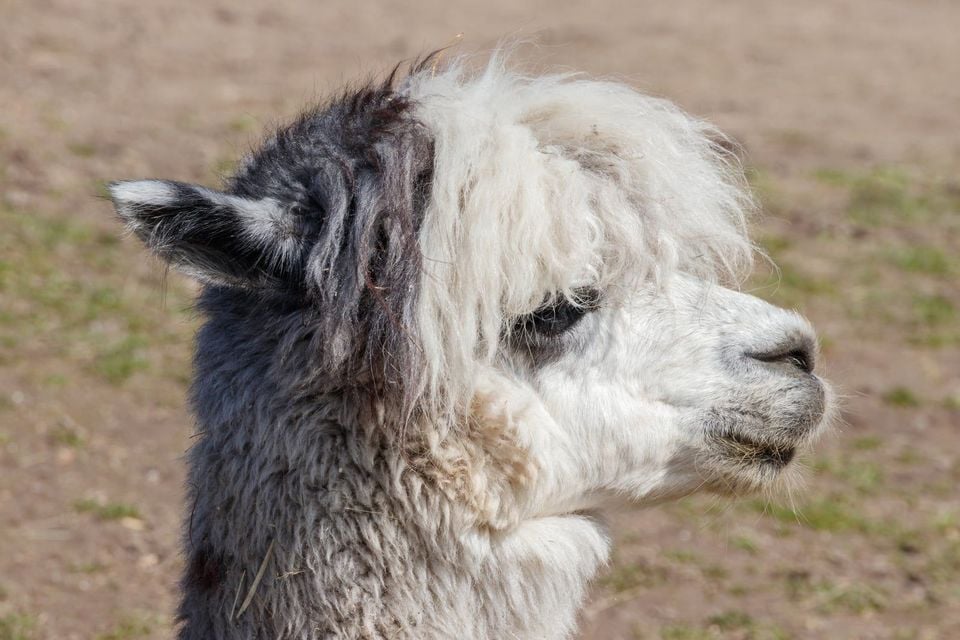
Llamas belong to the camel family, though they never developed the humps their desert relatives are known for. Instead, their bodies evolved around the thin air of the high Andes. Oval-shaped red blood cells pack more surface area for oxygen exchange, and the heart is adapted to pump blood efficiently at altitudes where most mammals would struggle. Wild guanacos, the ancestor species, still roam those mountains today, and llamas retain much of the same rangy build, long neck, and banana-shaped ears.

From pack animal to guardian: how llamas earn their keep

Andean cultures domesticated llamas thousands of years ago primarily as pack animals, and the species still carries loads across rough terrain more efficiently than most livestock. Padded, two-toed feet grip uneven ground without tearing it up the way a hoofed animal can. In the United States, that packing ability shows up on backcountry trekking trips, but far more llamas here work a different job entirely: guarding sheep and goat herds against coyotes and stray dogs, a role they take on almost instinctively.
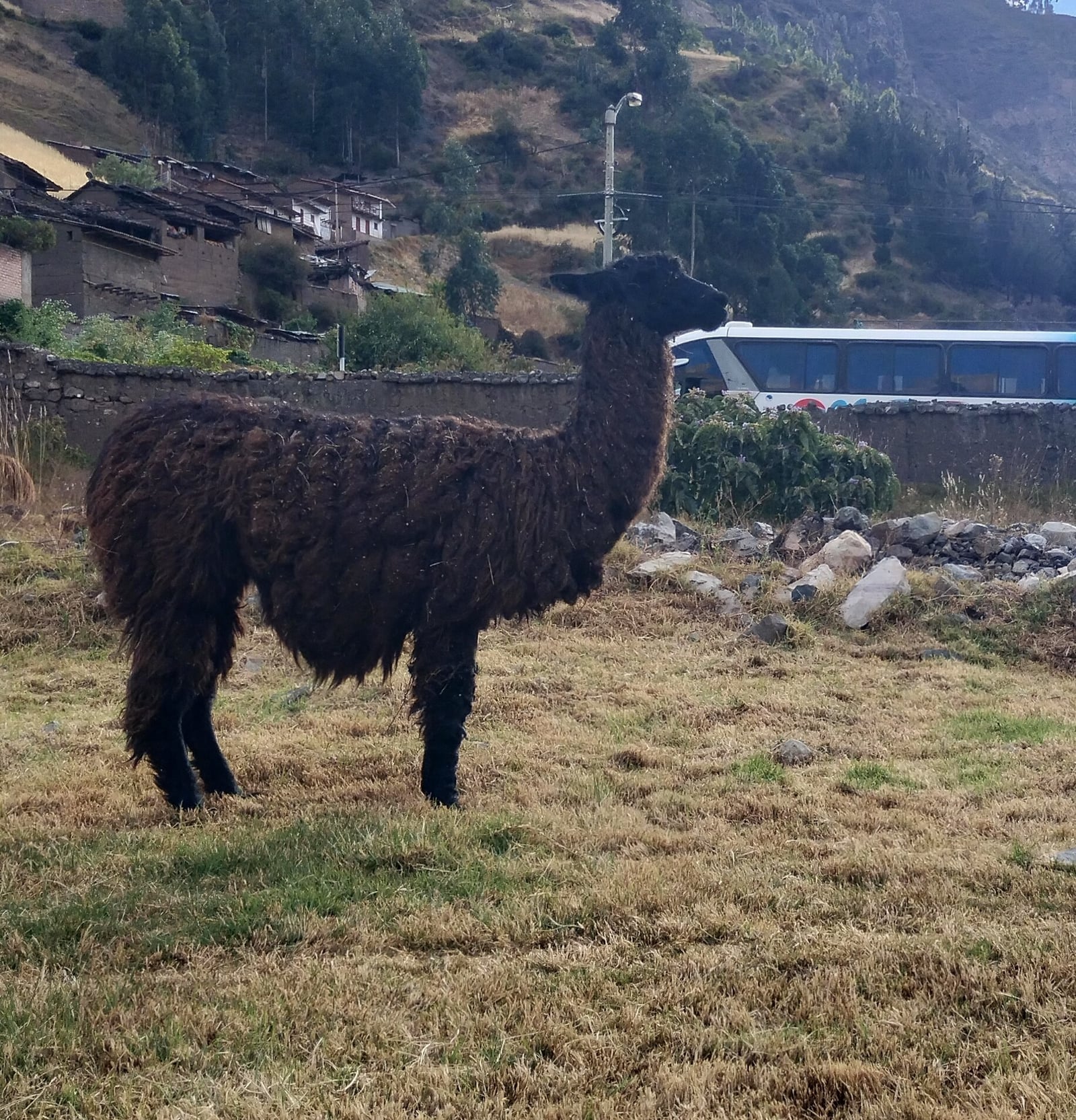
Dark-brown llama standing in a grassy field with a Peruvian hillside village and a parked bus in the background
Free-roaming llamas are a common sight near Andean villages. Photo: Ellky Arteta Paredes, CC BY 4.0.

Herd instincts that make them surprisingly good guards

Llamas are naturally alert, social animals that bond strongly with a herd, and that same instinct transfers well to a pasture of sheep or goats once a llama is introduced as a companion rather than kept alone. A guard llama will position itself between a perceived threat and the flock, alarm-call loudly, and sometimes charge directly at a coyote or loose dog. That behavior costs a lot less than a dedicated livestock guardian dog and needs far less specialized training to get going.

Records that trace ownership, not a wild population

The IUCN doesn’t assess llamas for conservation status, since the species exists today entirely as a domesticated animal with no independent wild population anywhere, including in the Andes where it originated. Submitted US records can reflect owned animals on farms, ranches, or trekking operations as well as escapes. Their locations and timing document reporting activity, not habitat preference, wild range, or seasonal wildlife behavior.
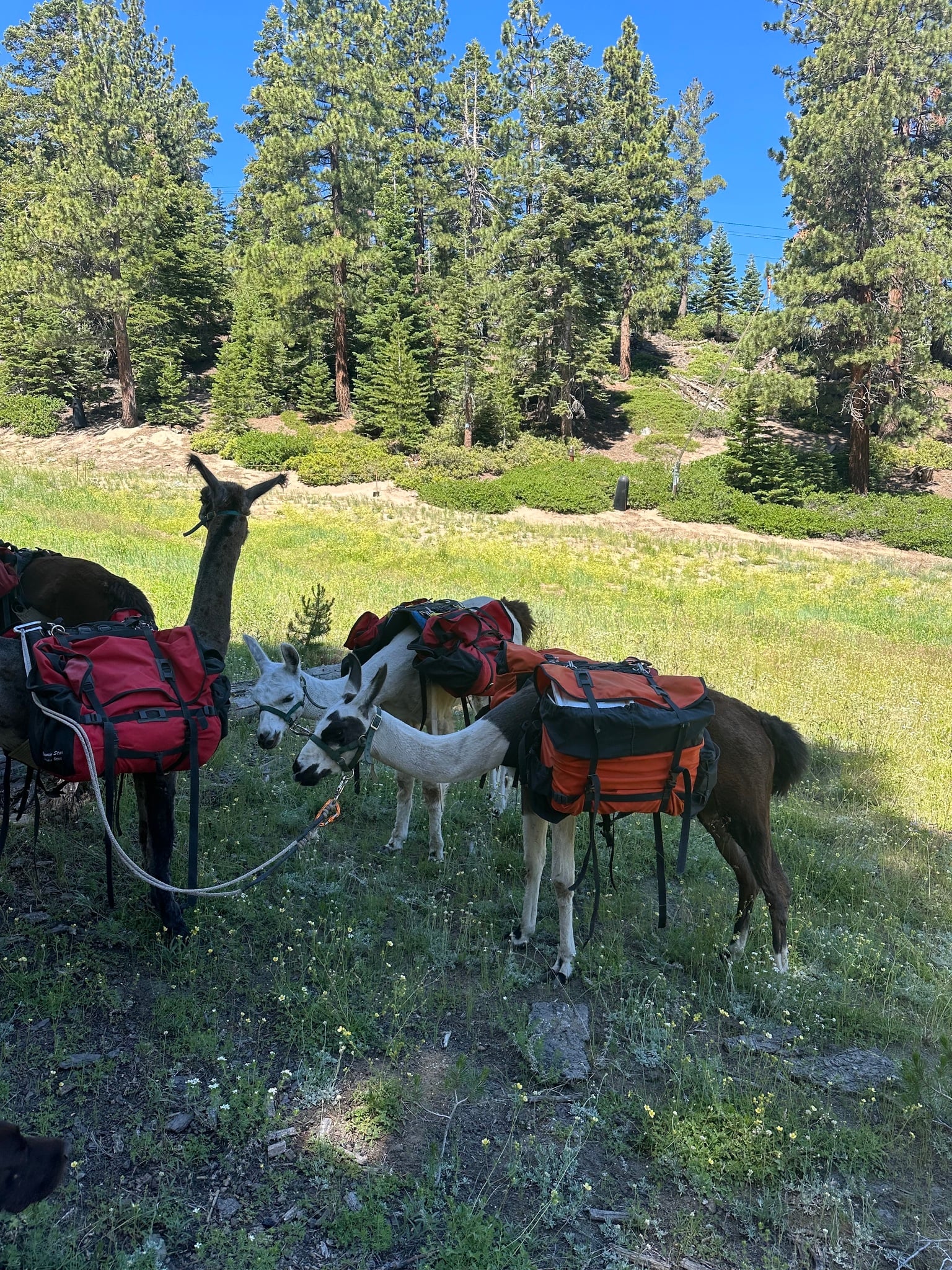

Three pack llamas fitted with red and orange saddle panniers, haltered together in a pine-forest meadow
Llamas have carried cargo across mountain trails for thousands of years. Photo: Irina Mitine, CC BY 4.0.

Data & sources

The data and visualizations on this page draw on these open sources:



