
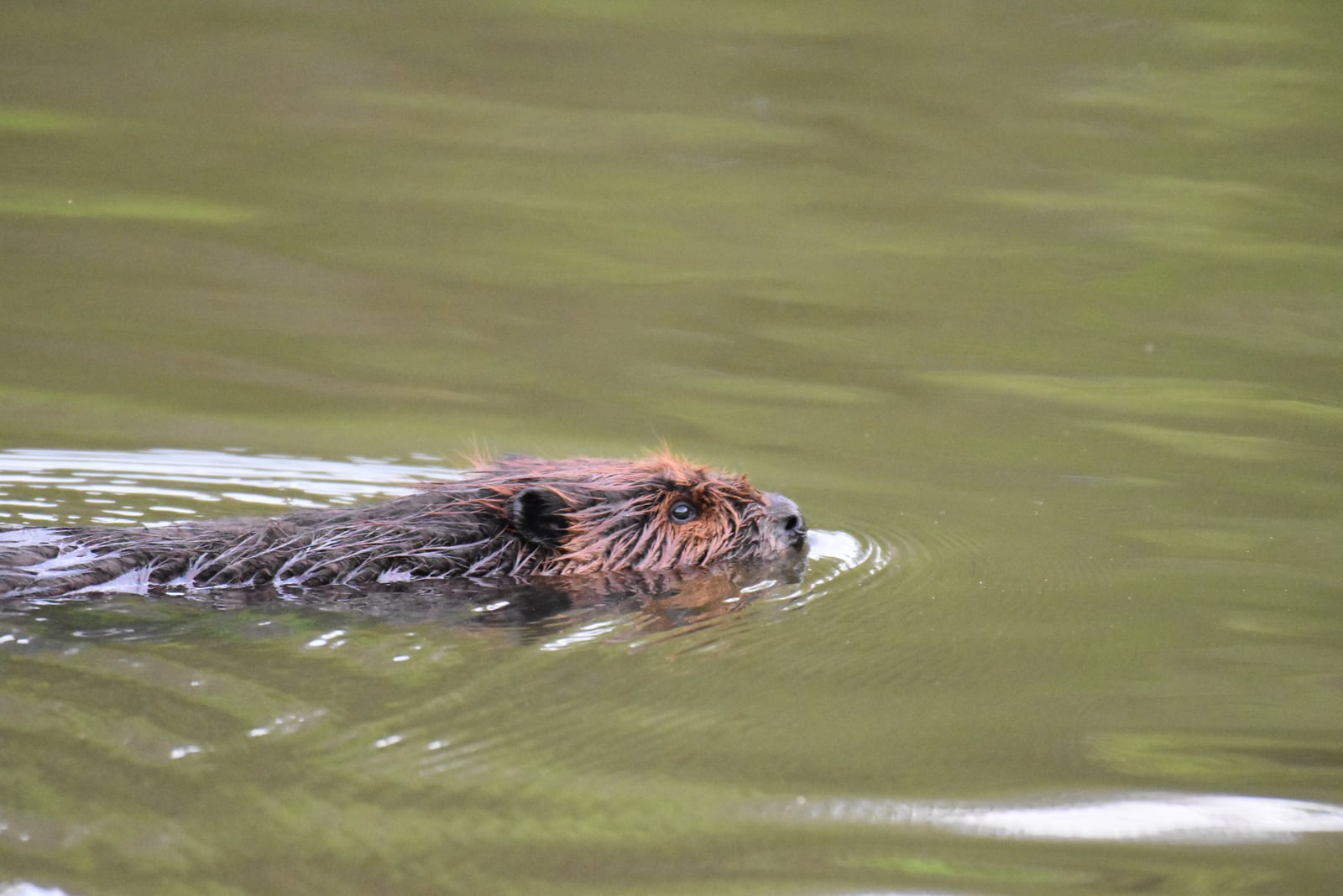
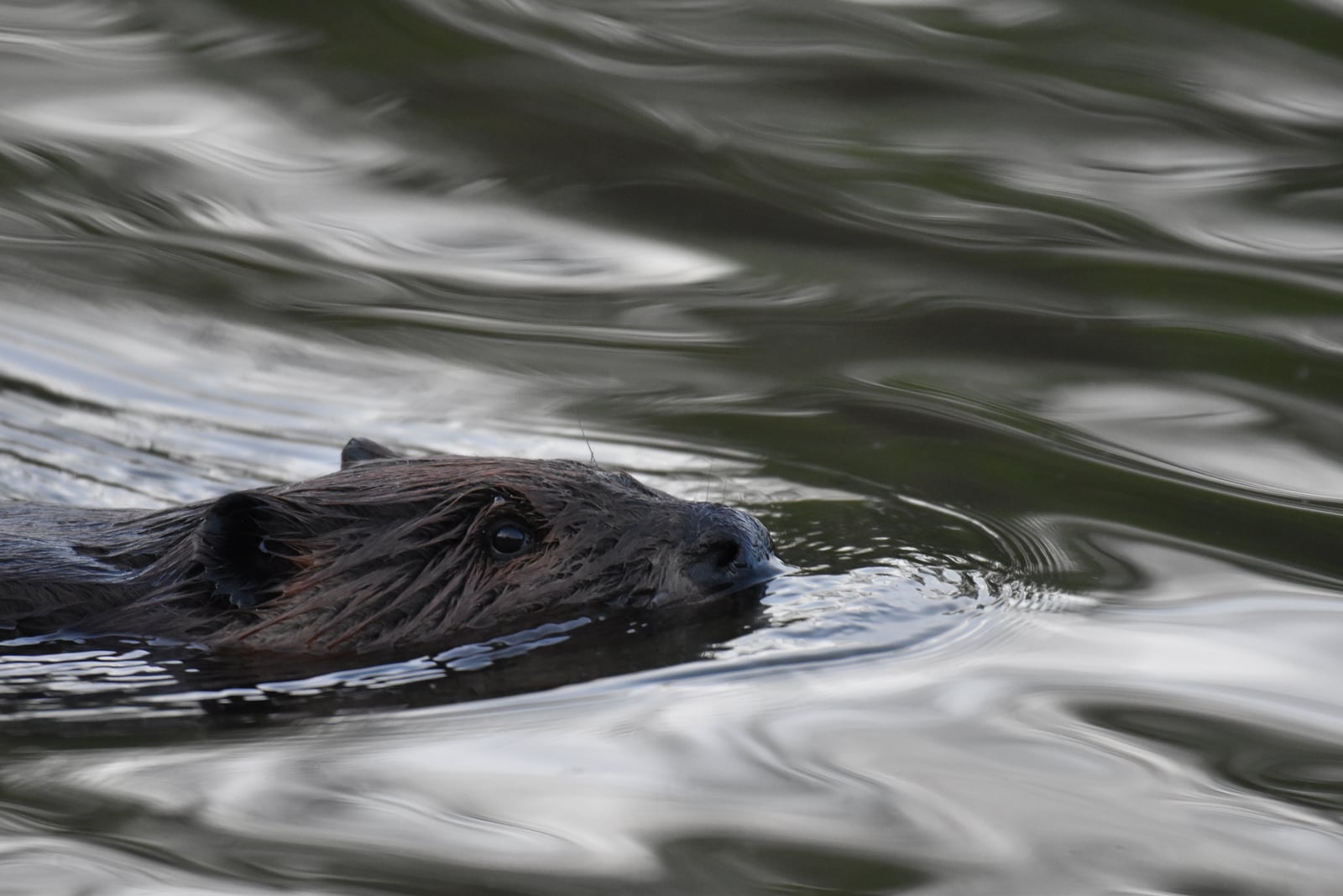
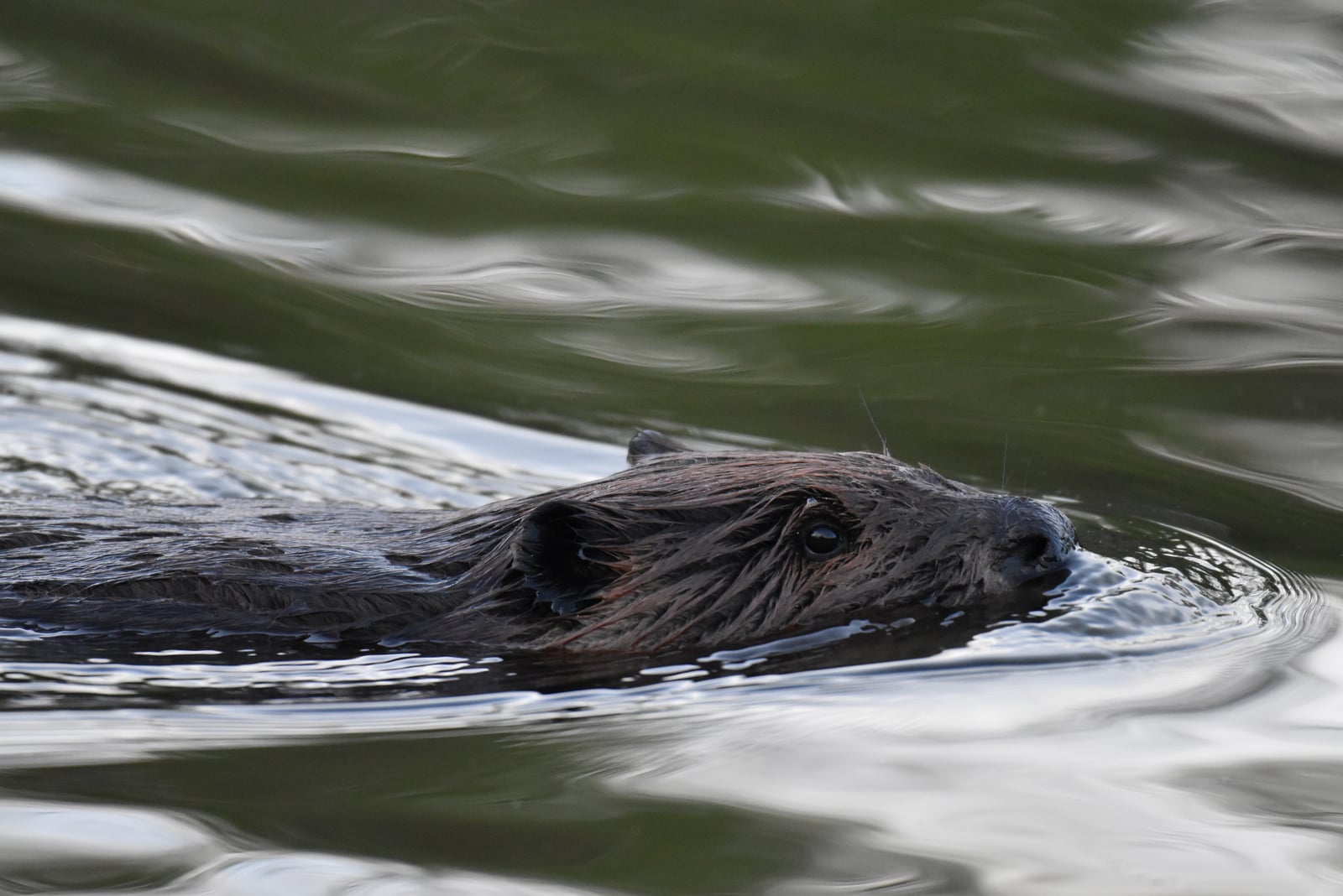
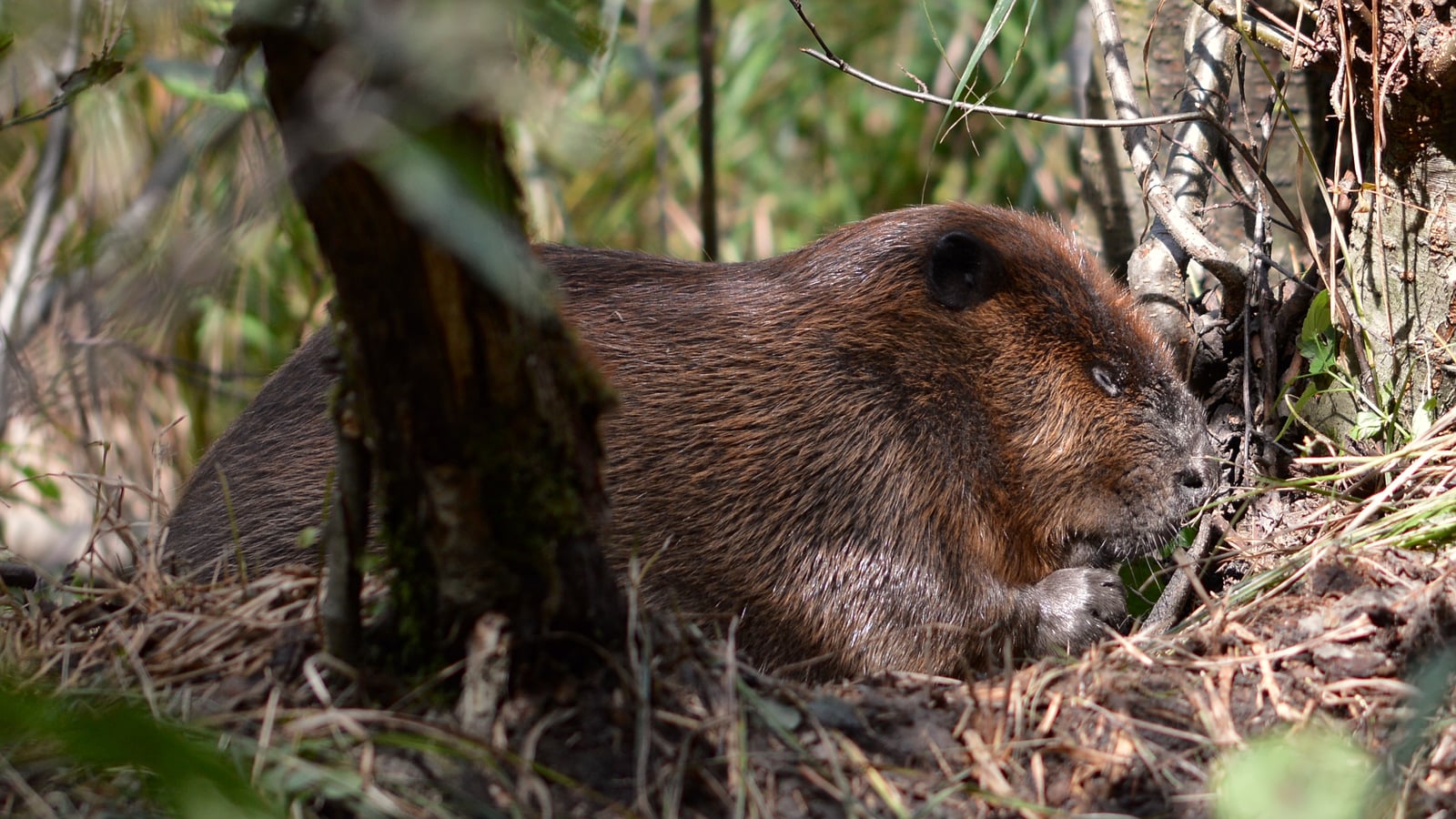
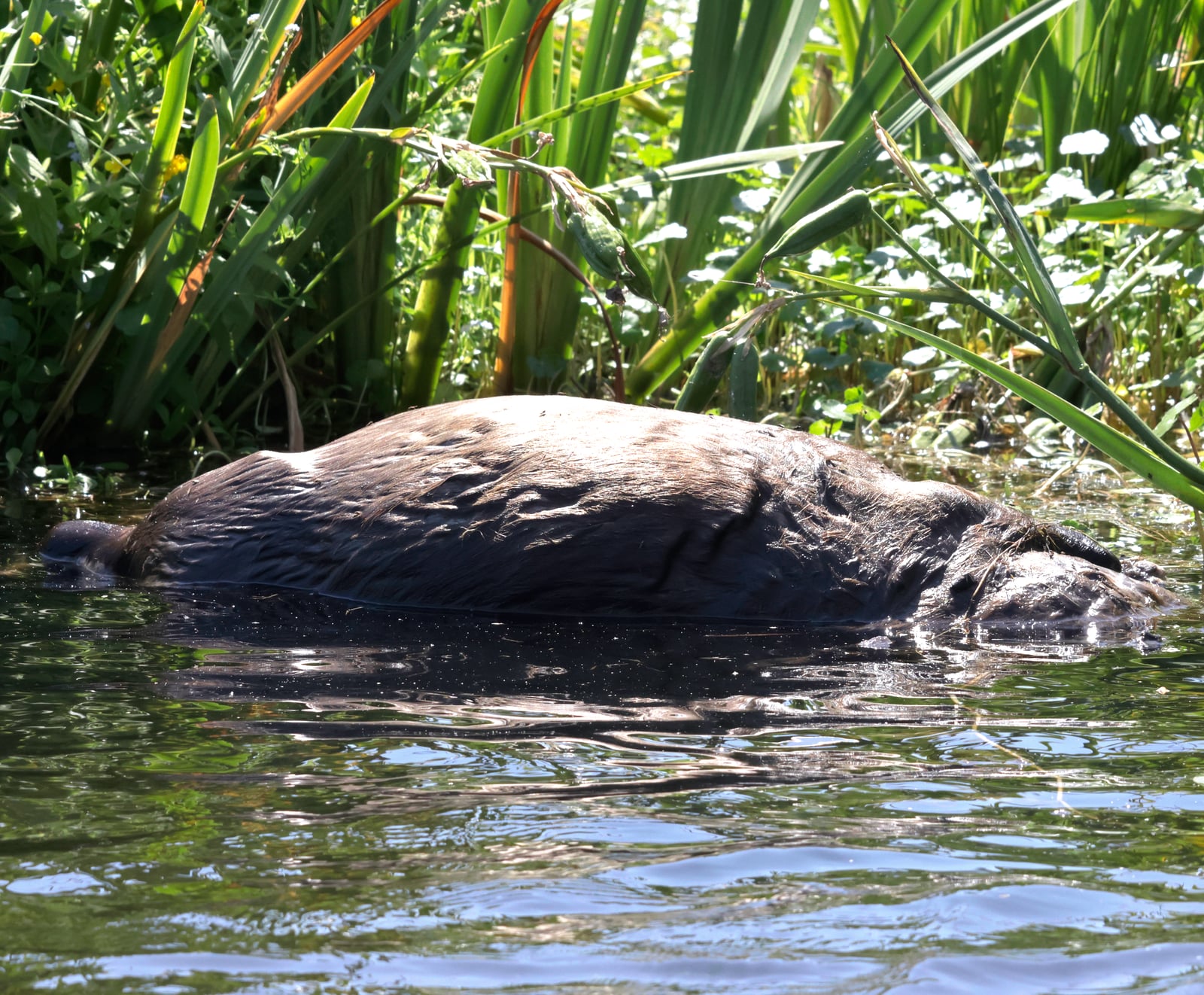
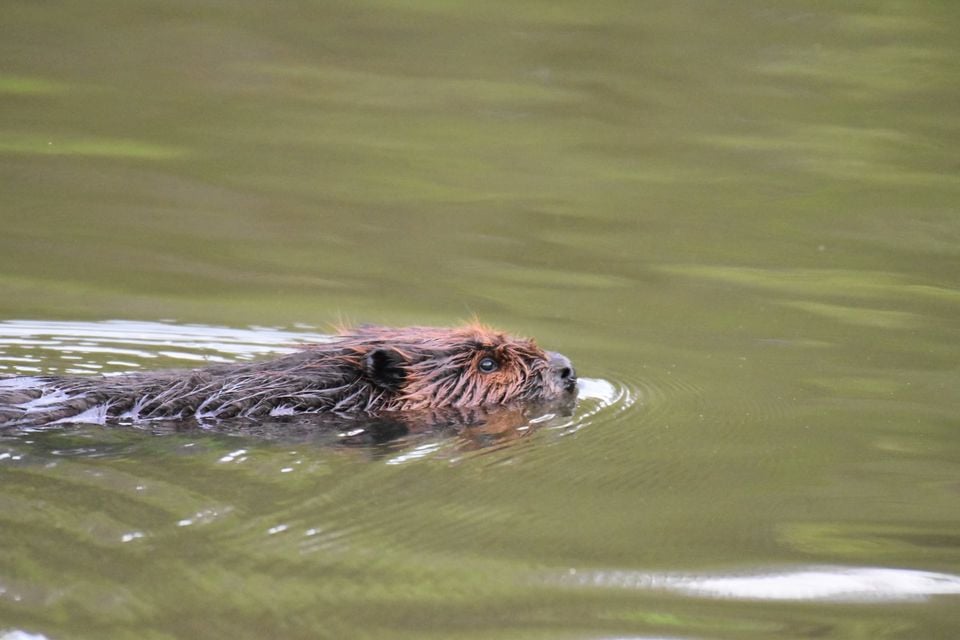
Beaver reports concentrate in the Sacramento Valley and the Tahoe basin. Yolo Bypass Wildlife Area is the most often named site, followed by Lake Tahoe, with smaller clusters at Tahoe National Forest, Putah Creek, Pescadero Marsh, and Yosemite, the sloughs, lakes, and slow streams this dam-building rodent needs to flood a pond deep enough to protect its lodge entrance.
Whether beavers actually belong across this range has a genuinely contested history. NatureServe treats the beaver as native to California, while federal USGS NAS lists just 2 nonindigenous occurrences, the legacy of past transplants and a tiny fraction of the 2,705 total records logged here. Historical ecologists have argued beavers were native to far more of California, including parts of the Sierra Nevada, than wildlife agencies once assumed, so the transplanted populations sit inside a much older native range.
Records run close to flat across all twelve months, without a real seasonal spike. Beavers stay active year-round maintaining dams and lodges, so a lack of any strong peak likely reflects the animal’s own steady habits as much as steady observer effort at popular sites like Tahoe.
 Full species profile




