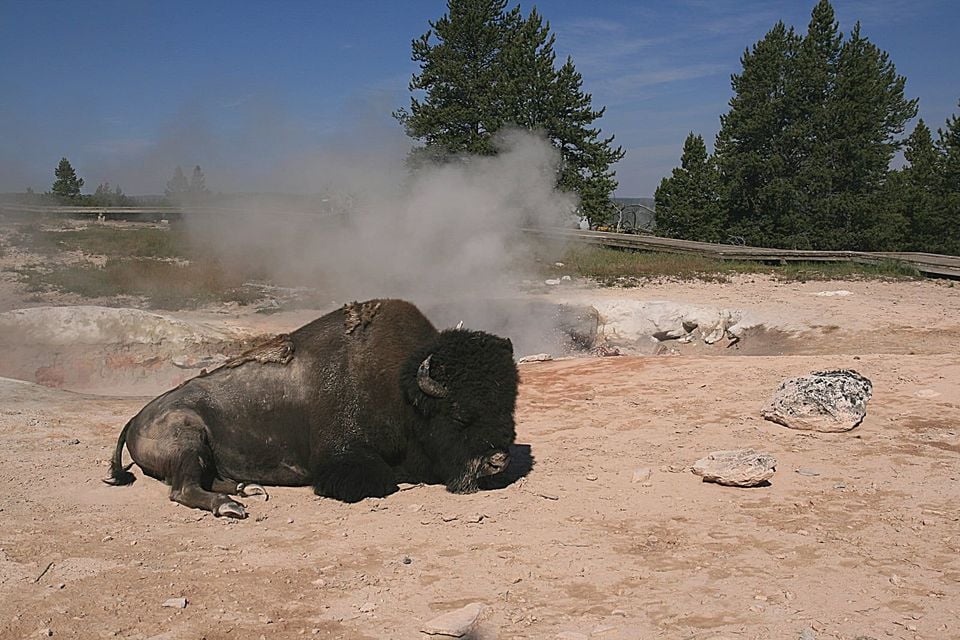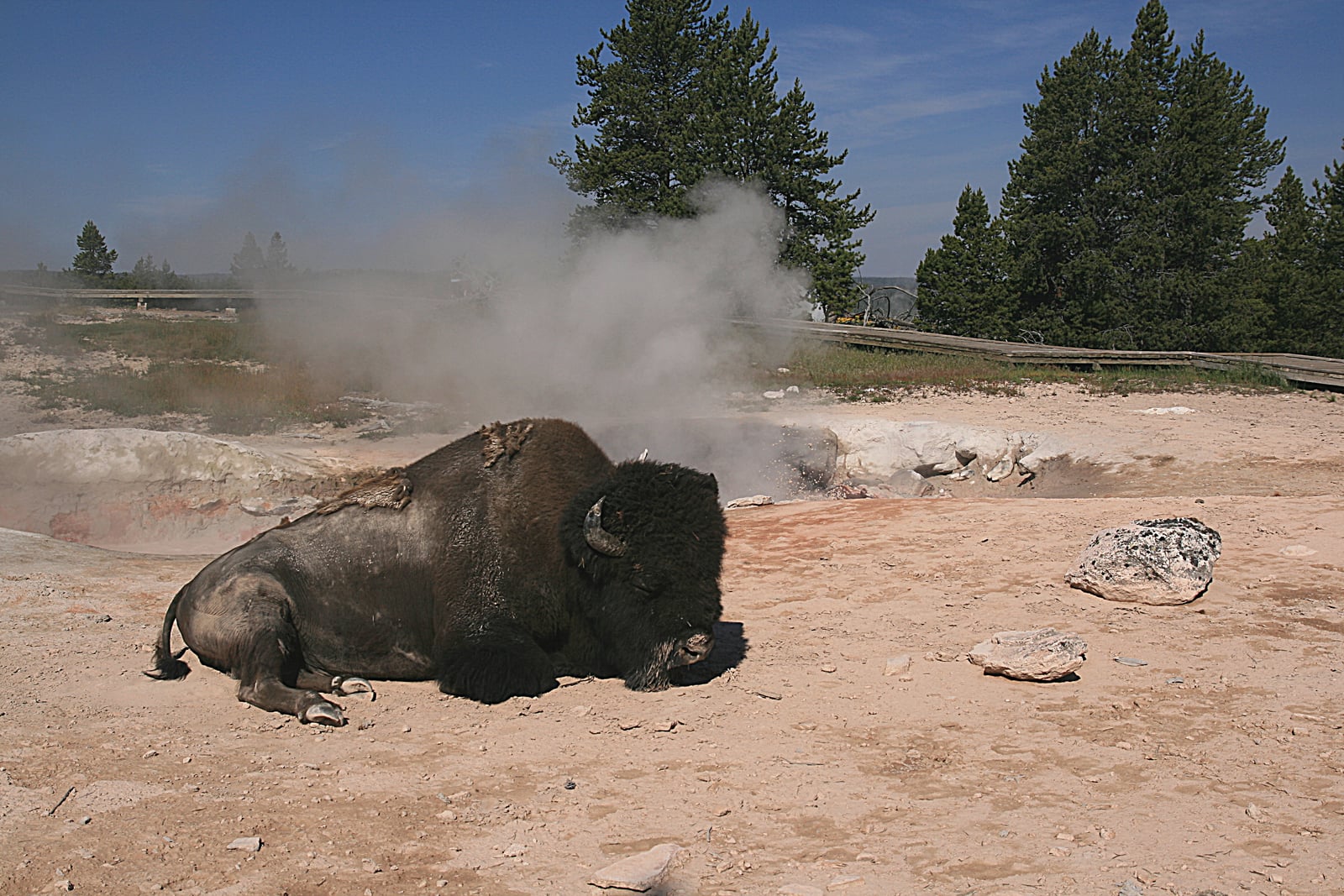
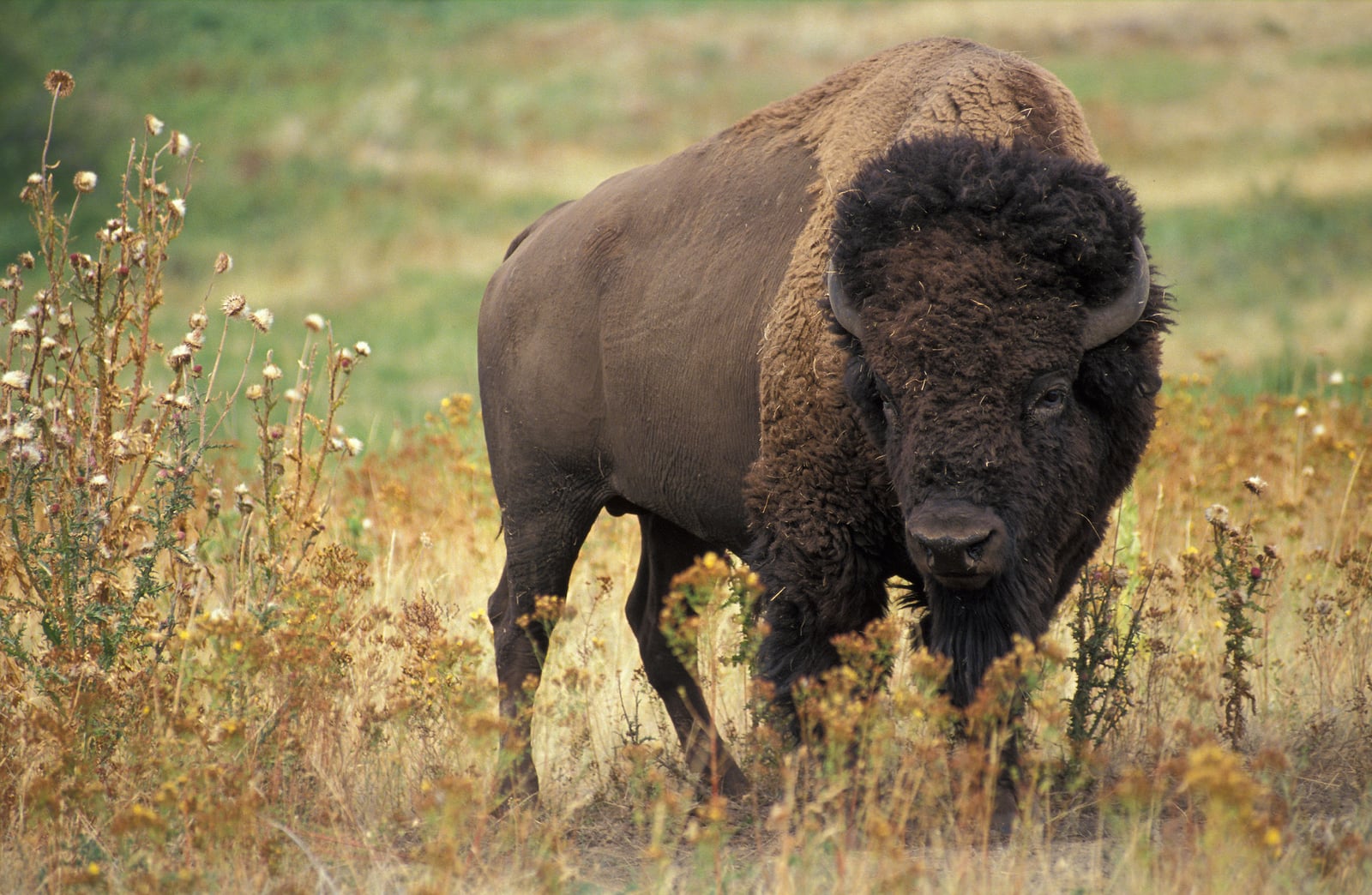
American bison in Illinois today are not a wild, free-roaming herd. They’re best known here through managed conservation projects, such as the reintroduced herd at Nachusa Grasslands in the state’s north, part of a national pattern of small, closely managed herds standing in for the vast wild herds that vanished from the Midwest more than a century ago. Illinois’ 109 records reflect that. Ogle County holds 43 and Lee County 31, the two counties Nachusa Grasslands straddles, and Will County adds 25, most of them at Midewin National Tallgrass Prairie. Kane and DuPage counties account for the rest.
Reports climb from April, peak in May, and hold up through July before thinning out in fall and winter. That arc follows prairie visitors as much as the bison, which stay on their managed ranges all year. The most recent record dates to July 2026, so the herds are still being logged.
Bison are native to Illinois, where they grazed the tallgrass prairie until the early 1800s, so the Nachusa and Midewin herds are a return rather than an introduction. That’s a statement about history, not a claim that bison roam free across the state the way they once did. NatureServe ranks the species SX, presumed extirpated, in Illinois: the wild herds are gone, and today’s animals live in those managed herds. Globally, the IUCN lists the species as Near Threatened.