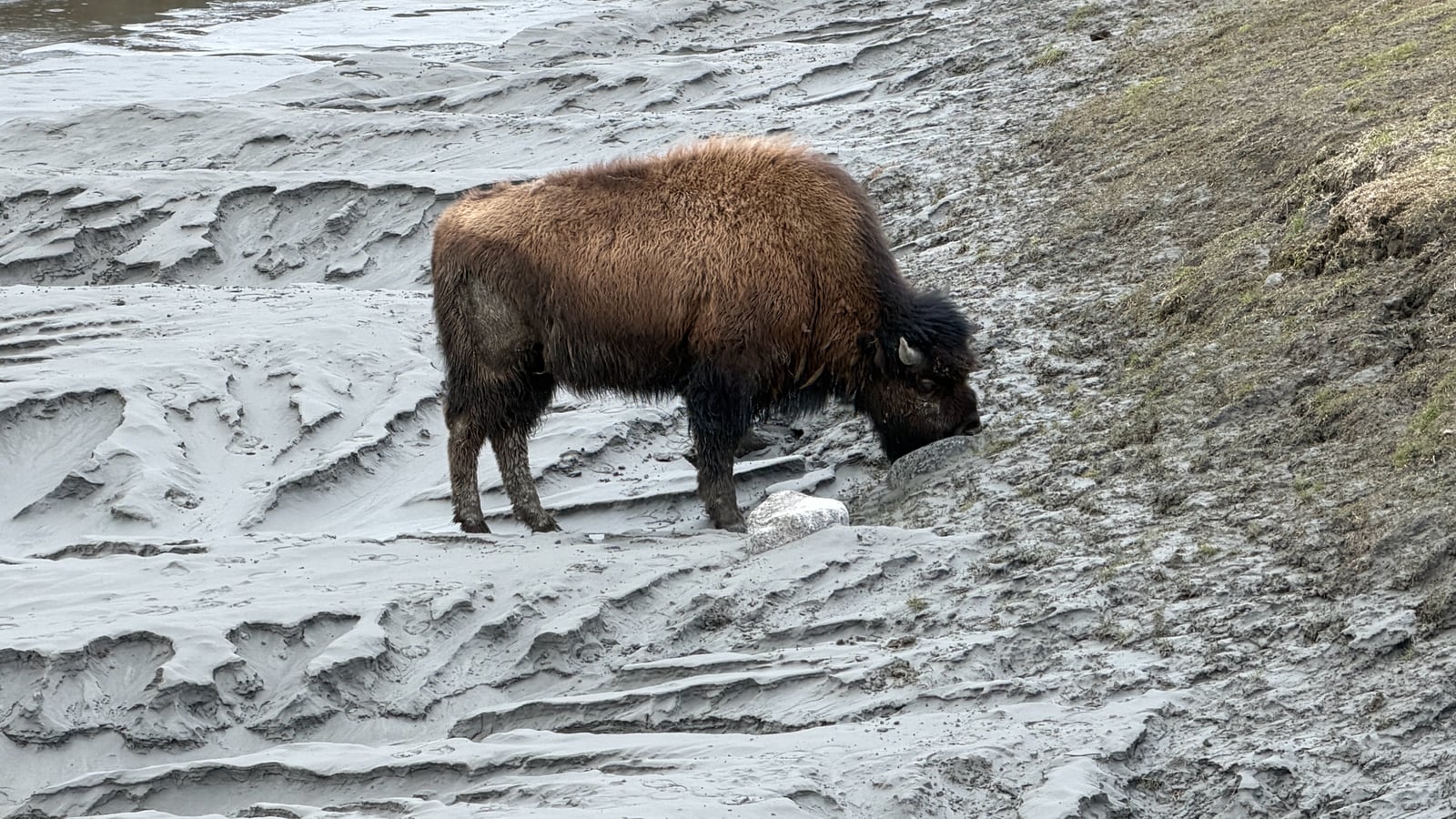
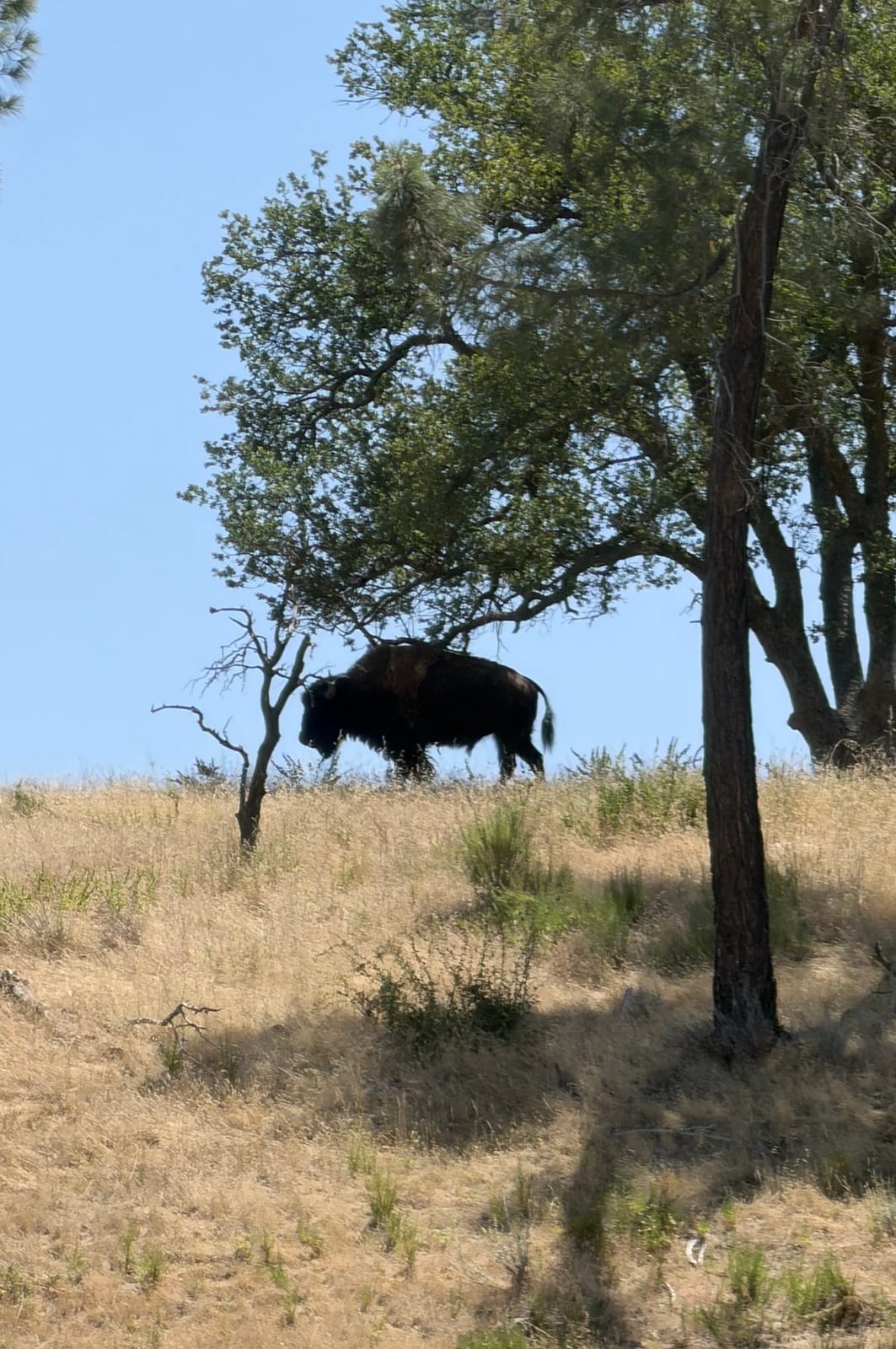
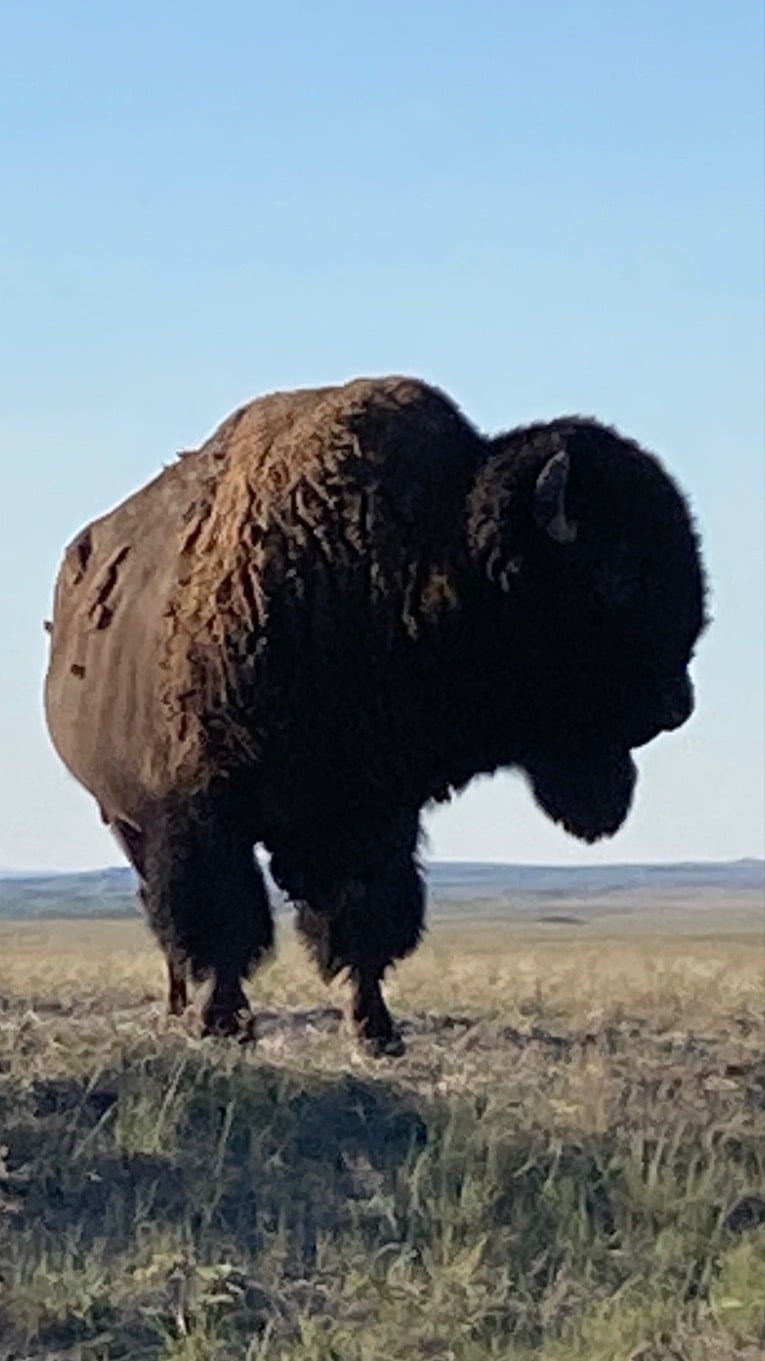
Montana’s 1,137 bison records have two gravity wells. Sanders and Lake counties in the northwest together supply nearly two-thirds of them, while Park, Gallatin, and Lewis and Clark counties anchor a second cluster in the Yellowstone country to the south.
Tribal herds in the northwest
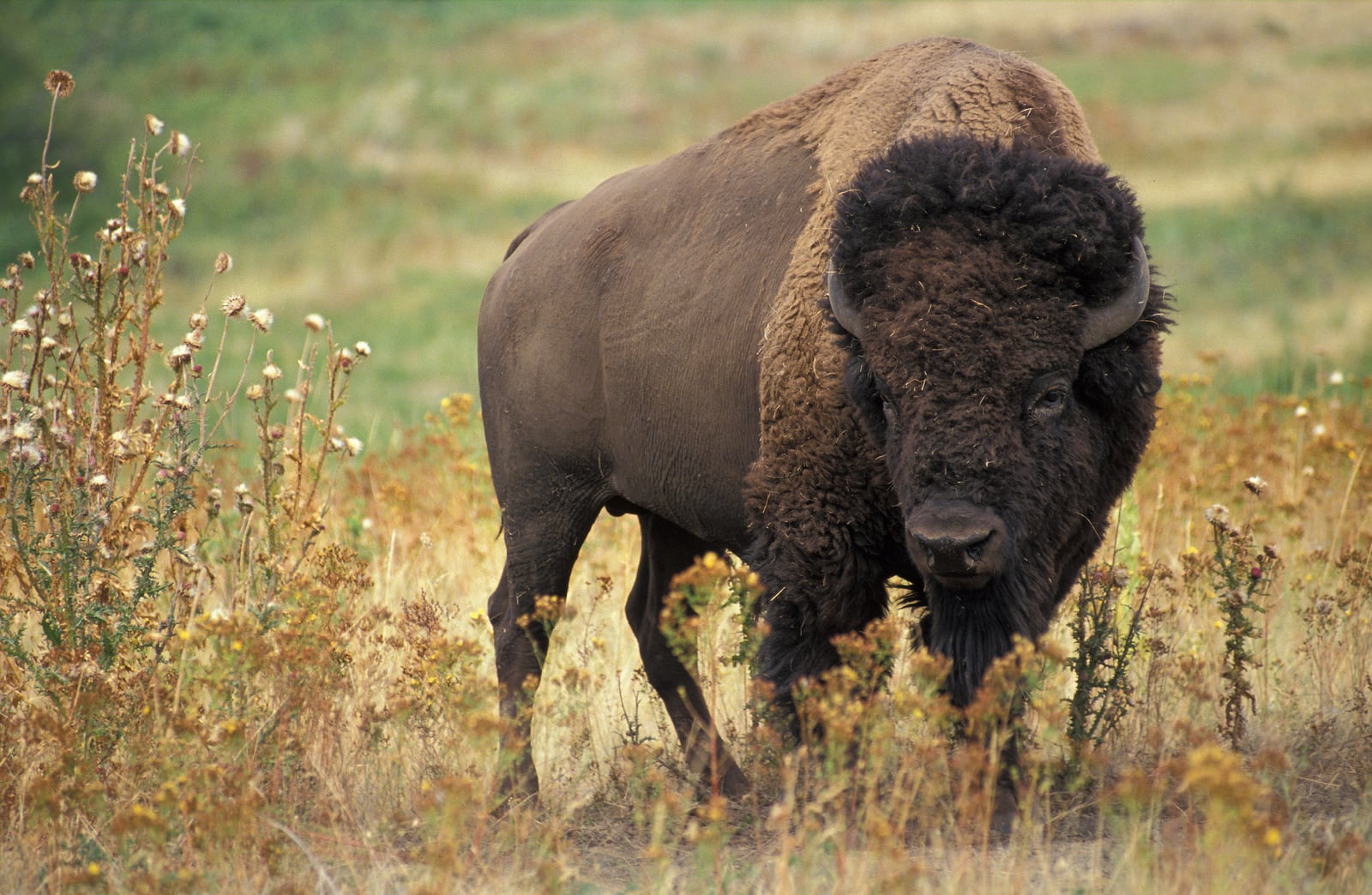
The northwestern concentration centers on the tribally managed bison range in the Mission Valley, where a conservation herd grazes bunchgrass foothills under the care of the Confederated Salish and Kootenai Tribes, who took over management of the range from the federal government in recent years. A closely watched herd behind range fences generates a thick stack of reports without meaning bison roam the surrounding counties at large.
Wild migrants at the park’s edge
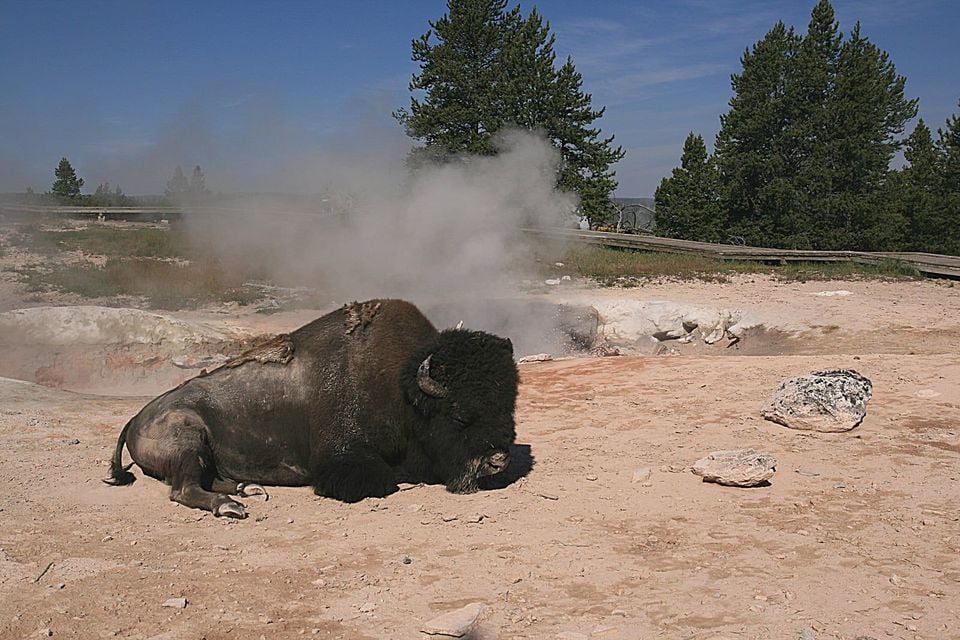
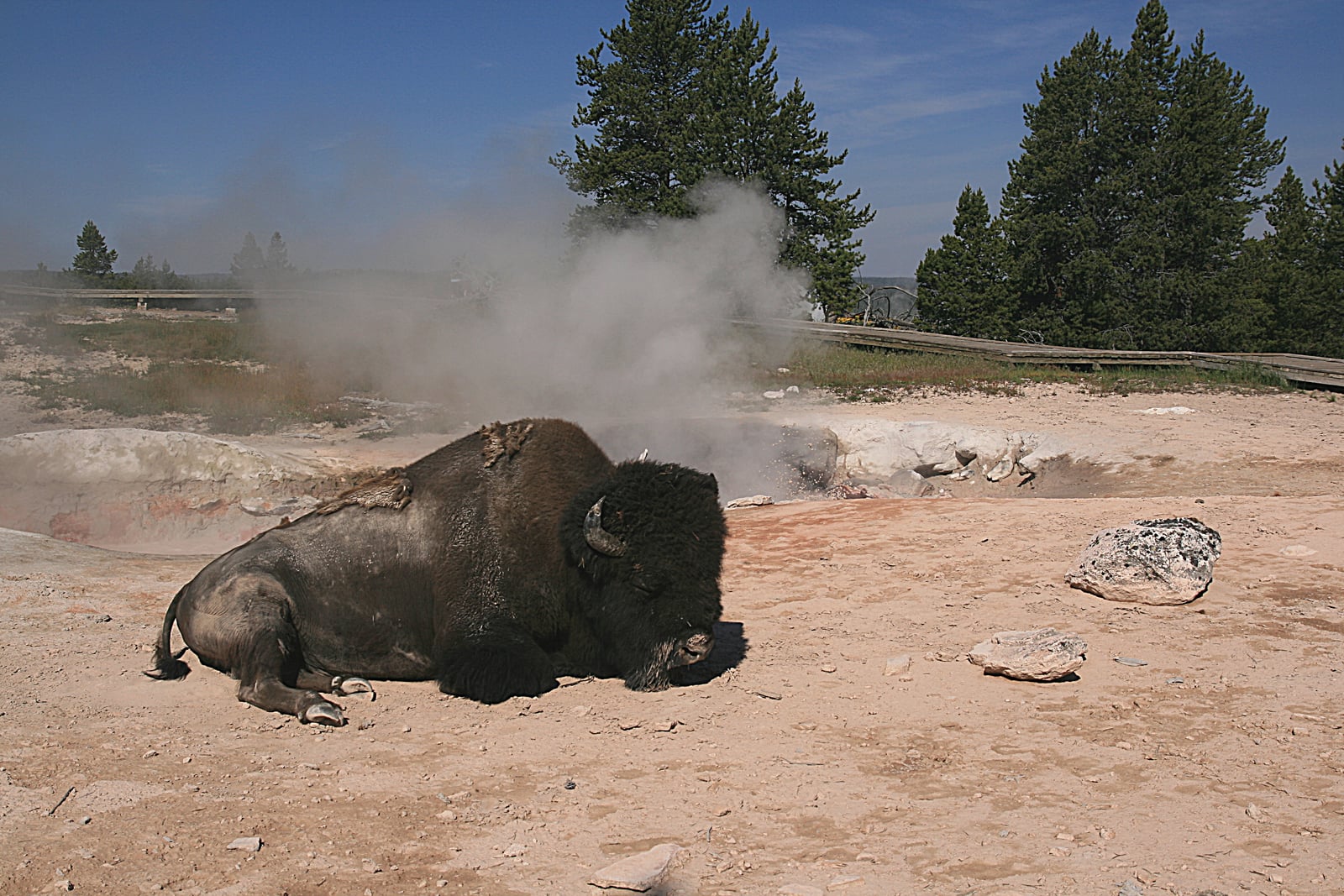
The southern cluster is different in kind. Yellowstone National Park, Gallatin National Forest, and the Absaroka-Beartooth Wilderness all appear in the record, and some Yellowstone bison still leave the park each winter for lower ground in Montana, the only bison in the lower 48 states that have lived continuously wild since before the nineteenth-century slaughter. Records appear in every month and spike hard in October, when the count jumps to 358, far above any other month. A wild migrant bull in rut or winter stress is among the most dangerous large animals on the continent, and these bison are given wide distance wherever they turn up.
Status in Montana
NatureServe ranks the bison S3, vulnerable, in Montana. The state holds both managed conservation herds and genuinely wild animals, and the IUCN lists the species globally as Near Threatened.