
Tundra Shrew

Sorex tundrensis

LCLeast Concern
Range through the year

Where Tundra Shrew is seen

Tundra Shrew is recorded in 1 US state from 591 occurrence records, most heavily in Alaska (591 records).

Current range591 records · 1 states
AlabamaArizonaArkansasCaliforniaColoradoConnecticutDelawareDistrict of ColumbiaFloridaGeorgiaIdahoIllinoisIndianaIowaKansasKentuckyLouisianaMaineMarylandMassachusettsMichiganMinnesotaMississippiMissouriMontanaNebraskaNevadaNew HampshireNew JerseyNew MexicoNew YorkNorth CarolinaNorth DakotaOhioOklahomaOregonPennsylvaniaRhode IslandSouth CarolinaSouth DakotaTennesseeTexasUtahVermontVirginiaWashingtonWest VirginiaWisconsinWyomingAlaska · 591 records · view state pageAKHawaiiHIPuerto RicoPR
Occurrence data by state and month
Tundra Shrew – occurrence records by US state and month (591 total across 1 states)
StateJanFebMarAprMayJunJulAugSepOctNovDecYear
Alaska141·11825429120·1·591

Based on georeferenced US records. Shading is observation density (where people record sightings), not true abundance. Alaska, Hawaii & Puerto Rico shown as insets.

Explore by state

Tundra Shrew across 1 state

Occurrence records, conservation status, and the places it turns up, state by state. Open a state for detail, or visit its full page.

  • AlaskaNativeCommon1,051 records

    State rankSecure

    Notable placesYukon-Charley Rivers National Preserve · Gates of the Arctic National Park · State Tentatively Approved (tad) · Noatak National Preserve

    Countiesrecorded in 12

    Year-round in Alaska, with recorded sightings peaking in July–August.

IUCN Red List status

  1. LC
  2. NT
  3. VU
  4. EN
  5. CR
  6. EW
  7. EX

LC – Least Concern

Widespread and abundant; not at risk.

SizeTundra Shrew beside a 1.8 m adult, drawn to scale
Created by potrace 1.16, written by Peter Selinger 2001-2019 Created by potrace 1.16, written by Peter Selinger 2001-2019
Body length
8–8 cm3 in–3 in
Weight
11–11 g0.4–0.4 oz

Silhouettes drawn to scale against a 1.8 m5 ft 11 in adult.

Observation peakJanuary2 recordsBased on a small number of dated records; the seasonal pattern may not be representative.

Seasonality from research-grade observation dates across the US (2 records, all years). Reflects when the species is recorded, not a guarantee of presence.

Best encounter

Where and when to see a Tundra Shrew

Your best chance: Alaska, in January.

Where
AlaskaAK
When
January
Trophic relationshipsFood web What a Tundra Shrew eats, and what eats it.
Eaten by

Few natural predators as an adult

This speciesTundra Shrew
grasshoppers & cricketsbeetlesinsects
Eats3

A sample of documented feeding relationships, filtered to species that also occur in the US. Diet and predators vary by region and season, and this is not a complete list, many animals eat, and are eaten by, more than what has been formally recorded here.

Life history

The Tundra Shrew (11 g0.4 oz) is a carnivore that first breeds around 1 years, carries a 17-day gestation, and bears about 6.7 young per litter. Maximum recorded longevity is 1.5 years.

Life cycle

  1. Gestation17 days
  2. Birthlitter of 6.7 young
  3. Sexual maturity1 yr (female)
  4. Typical lifespan1.5 years
  5. Maximum recorded longevity1.5 years

Reproduction

Gestation
17days
Litter size
6.7youngaverage
Litters / year
1.9litters
Age at first breeding
1years

Diet composition

Carnivore

By foraging composition: 70% invertebrates, 30% scavenged.

  • Invertebrates70%
  • Scavenged30%

Most active around the clock.

Typical values for the species, not local measurements. Maximum longevity is the longest lifespan on record; most individuals live far less.

Commonly confused with

Animals people sometimes mistake for the tundra shrew, and how to tell them apart.

A shrew with a two-tone coat and a huge Arctic range

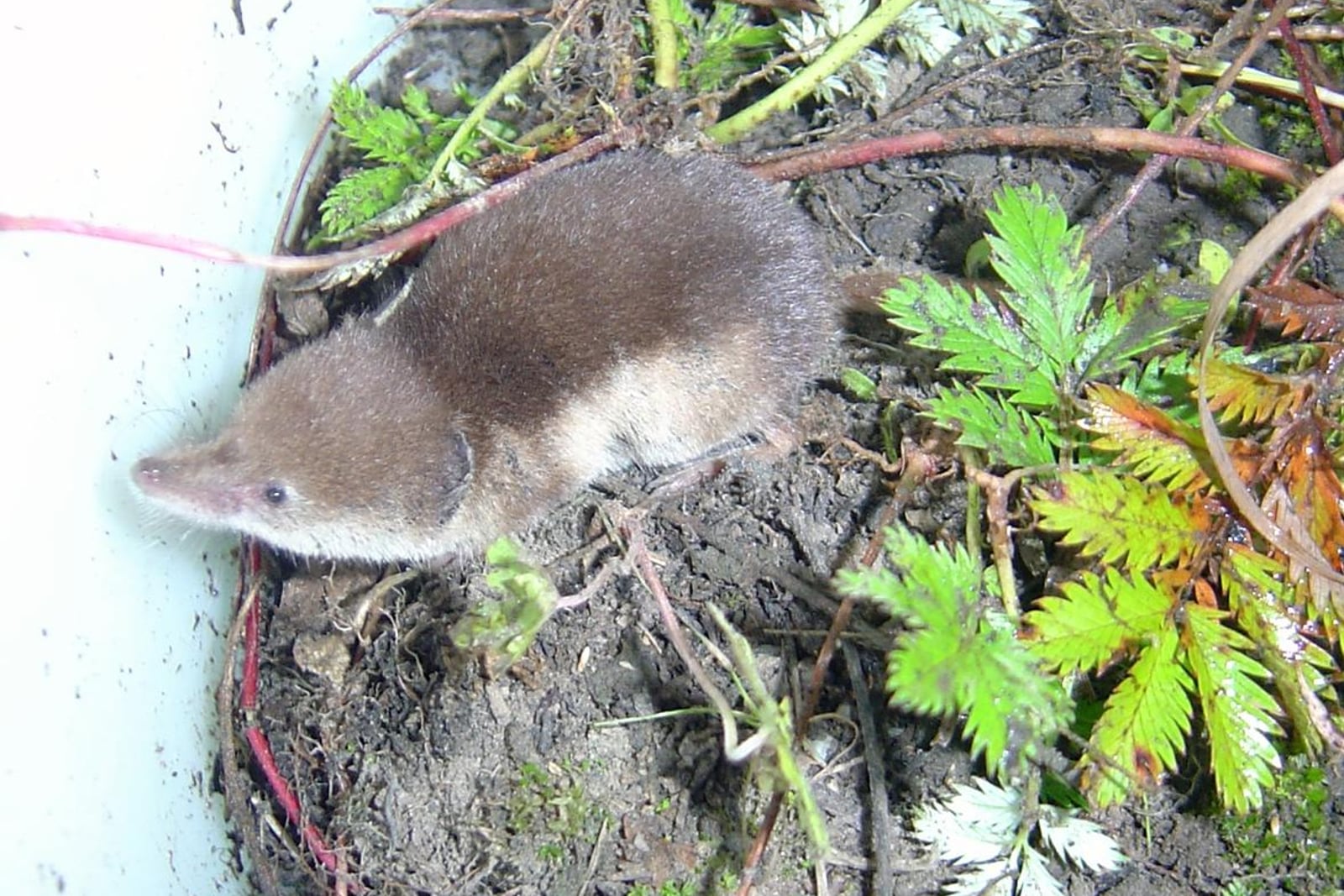
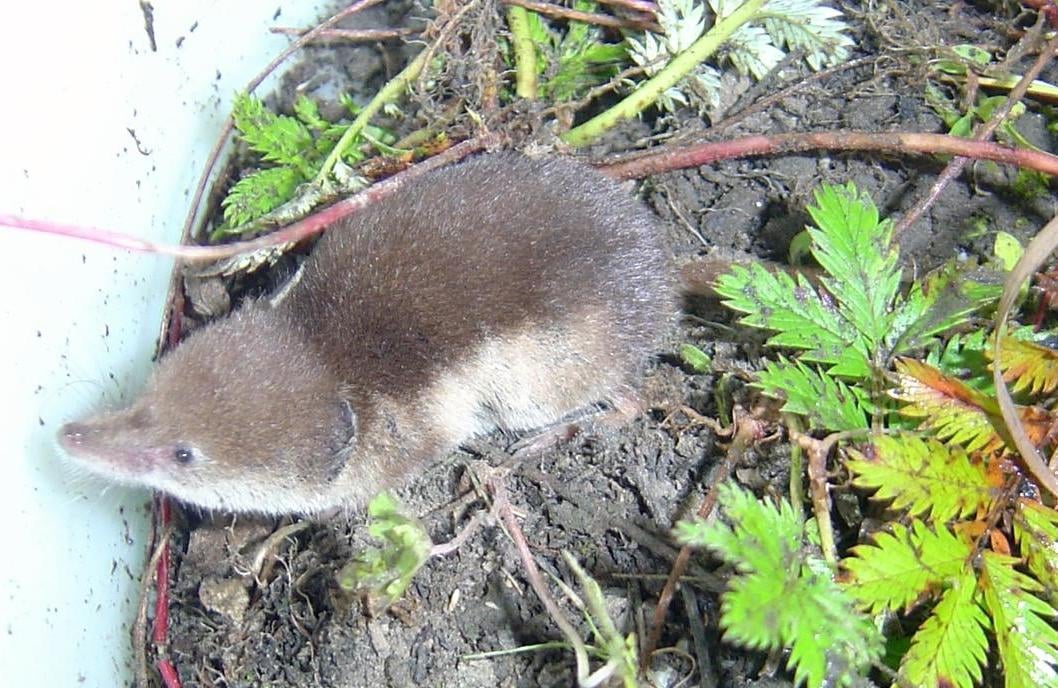
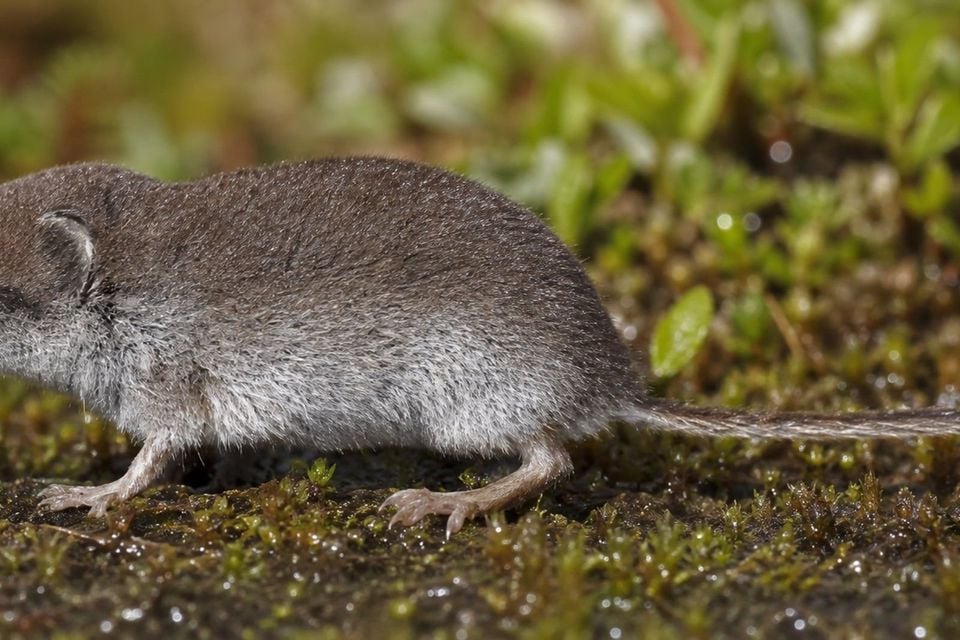
The tundra shrew wears its name well. A sharp line divides its dark brown back from a much paler belly, a two-tone pattern more pronounced than in most of its Sorex relatives, and one of the easiest visual cues for telling it apart in the hand. It’s a small animal even by shrew standards. It weighs about as much as two sugar cubes and measures roughly 4.7 inches nose to tail, with the tail making up a third of that length. What sets it apart from Alaska’s other cryptic shrews isn’t rarity. Among the tundra-country Sorex species covered here, it’s the one backed by the deepest, most consistent body of records, documented across a broad sweep of the state rather than a handful of scattered specimens.

Thriving on open, treeless ground

Records of the tundra shrew are dense and widespread across Alaska, concentrated overwhelmingly in July and August when the short Arctic summer peaks. Its habitat runs to open tundra, wet sedge meadow, and the shrubby, damp ground bordering rivers and coastline. That terrain supports a rich invertebrate community just beneath the surface, even without tree cover. Unlike forest-dependent shrews, it doesn’t need woodland litter or downed logs. Moist ground, low vegetation, and a steady supply of insects and worms are enough.

Eating on a deadline, every day of its short life

Diet centers on insects, worms, and other invertebrates, with grasses rounding things out when animal prey runs short. That omnivorous streak is unusual among Sorex shrews, and useful on ground where plant food is often more reliable than a steady insect supply. Activity records show it working at all hours, a necessity for an animal whose fast metabolism allows no long rest. Litters average six or seven pups, with females capable of nearly two litters a year. Individuals rarely survive beyond a single winter, though, an even shorter lifespan than most of its relatives. That’s a hard tradeoff for a body this small living somewhere this cold.

A genuinely secure Arctic specialist

The IUCN lists the tundra shrew as Least Concern, and the scale of its documented range across Alaska backs that up better than for almost any other shrew on this list. Its tundra and wet-meadow habitat spans an enormous area of the state, largely undisturbed by development. The sheer number of records collected over the past decade suggests a population that’s genuinely widespread, not merely underreported. Few Arctic mammals this small come with this much confirming data behind them.


Data & sources

The data and visualizations on this page draw on these open sources:


