
Georgia mammals

Bobcat in Georgia

Lynx rufus

Native to Georgia S5 Secure in Georgia

Not listed as nonindigenous in Georgia by USGS NAS; native to its Georgia range.

IUCN Red List status

  1. LC
  2. NT
  3. VU
  4. EN
  5. CR
  6. EW
  7. EX

LC – Least Concern

Widespread and abundant; not at risk.

Bobcat in Georgia, by the numbers

Common in Georgia 23rd most recorded of 109 mammals logged in Georgia

261 occurrence records
237 with iNaturalist photos

Records from 2000–2026.

261 total records count every Georgia occurrence from GBIF and iNaturalist; the monthly chart covers the 255 records with a full observation date.

When to look for the Bobcat in Georgia

Most sightings fall in October to May.

255 Georgia occurrence records (iNaturalist and GBIF) by month of year, 2000–2026. Shows when the species is recorded, not a guarantee of presence.

Monthly Georgia records (table)
MonthRecords
January30
February31
March25
April27
May30
June12
July10
August9
September4
October25
November24
December28

Monthly bobcat occurrence records (iNaturalist and GBIF) in Georgia, 2000–2026.

Seasonality

Year-round in Georgia, with recorded sightings peaking in October–May.

Occurrence map

Where Bobcat has been recorded in Georgia

261 records mapped · zoom and drag to explore

261 Georgia records mapped

Notable places to look

Park, forest, or monumentiNaturalist records
Chattahoochee National Forest 7
Jekyll Island 5
Cumberland Island National Seashore 5
Stephen C. Foster State Park 4
Okefenokee National Wildlife Refuge.Wilderness Area 4
Jekyll Island State Park 3
Brasstown Wilderness 3
025-004 3

Protected places with the most bobcat sightings, from the USGS Protected Areas Database plus named mountain ranges, good spots to look, not a full breakdown, so they don't sum to the total.

Where it's recorded in Georgia

CountyRecords
Talbot County 25
Harris County 24
Charlton County 20
Rabun County 10
Walton County 10
Chatham County 9
Camden County 8
Glynn County 7
McIntosh County 7
Gilmer County 6
Thomas County 6
Walker County 5
76 other counties 124

The complete county distribution, spread across 88 Georgia counties. Every occurrence record falls in one county, so these sum to the total. Counties from GBIF and US Census boundaries.

Georgia’s bobcat records concentrate around the swamps and pine flatwoods of the south, refuges like Okefenokee, Banks Lake, and Bond Swamp, though the species turns up in cover across virtually every corner of the state, from the Blue Ridge foothills to the coast. NatureServe ranks it S5, secure, in Georgia, and it’s one of the state’s more frequently reported wild mammals despite being genuinely hard to spot.

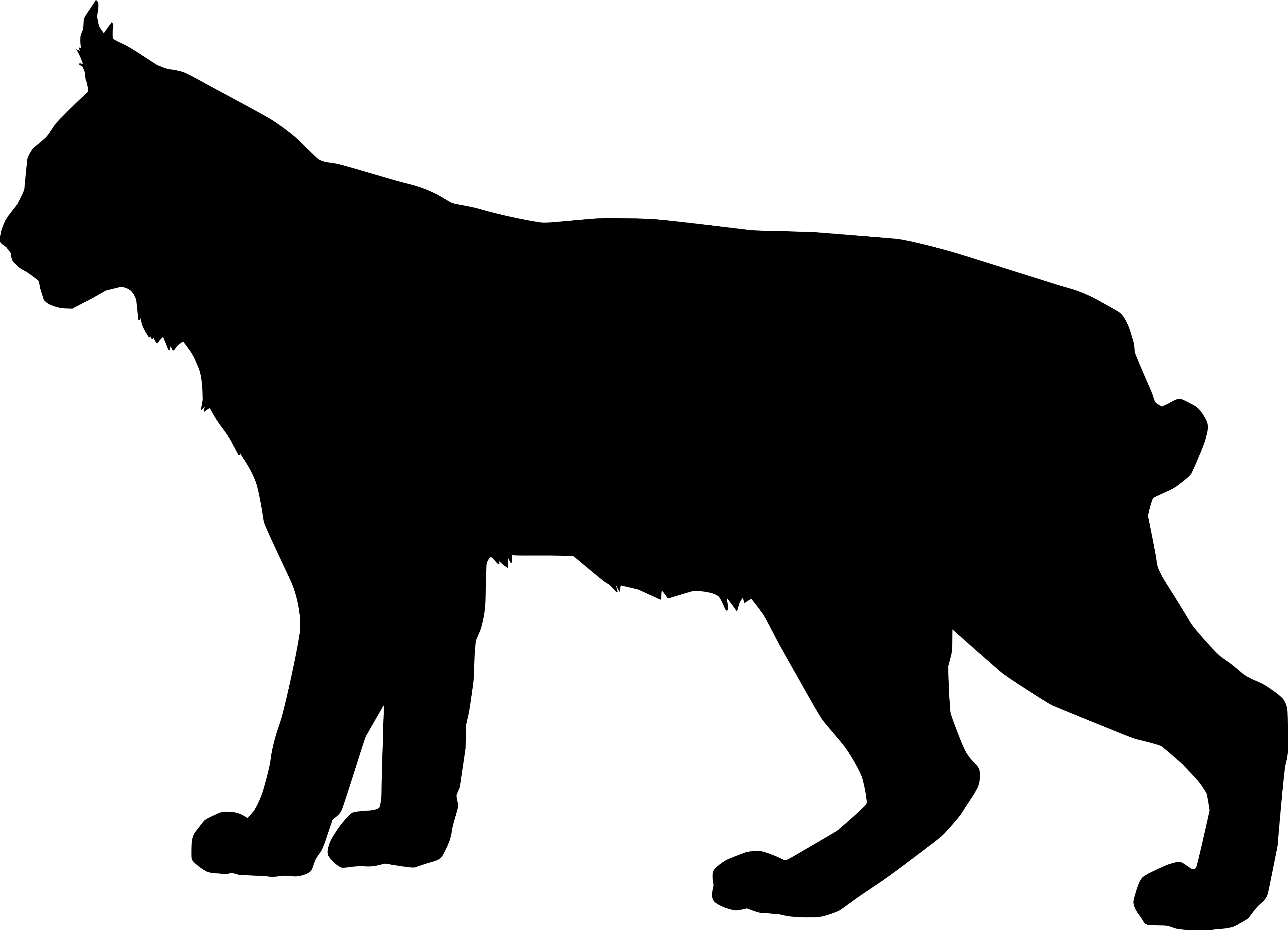
It hunts alone, mostly at night, ambushing rabbits, rodents, and birds from cover rather than chasing prey in the open. The short, black-tipped tail that gives the bobcat its name and its tufted ears are the two field marks most Georgians would recognize, even though most people who live near bobcats never actually see one.

Reports show three separate bumps, in February, May, and November, roughly tracking late-winter breeding activity, spring kitten dispersal, and a fall increase in movement. Records continue through every month, consistent with a true year-round resident rather than a species with a hard seasonal gap.
Occurrence data from iNaturalist and GBIF.

Bobcat in other states

View all states →

More mammals in Georgia in the atlas

Data & sources

The data and visualizations on this page draw on these open sources:

  • GBIFCC-BY 4.0occurrence records behind the range map, elevation, and record counts
  • iNaturalistCC0 / CC-BY / CC-BY-SAobservations, photos, and audio recordings
  • NatureServe ExplorerCC-BYthe state conservation rank
  • IUCN Red Listattributed factthe global conservation status
  • USGS NASpublic domainnative / introduced status
  • Natural Earthpublic domainthe relief basemap
  • USFSpublic domainnational-forest boundaries
  • USGS Protected Areas Databasepublic domainthe named parks, forests, and refuges behind "notable places to look"




