
Florida mammals

Bobcat in Florida

Lynx rufus

Native to Florida SNR Unranked in Florida

Not listed as nonindigenous in Florida by USGS NAS; native to its Florida range.

IUCN Red List status

  1. LC
  2. NT
  3. VU
  4. EN
  5. CR
  6. EW
  7. EX

LC – Least Concern

Widespread and abundant; not at risk.

Bobcat in Florida, by the numbers

Common in Florida 14th most recorded of 116 mammals logged in Florida

1,985 occurrence records
1,692 with iNaturalist photos
Jul 7, 2026 Last seen in Florida

Records from 2000–2026.

1,985 total records count every Florida occurrence from GBIF and iNaturalist; the map plots a georeferenced sample of 300; the monthly chart covers the 1,893 records with a full observation date.

When to look for the Bobcat in Florida

Most sightings fall in November to May.

1,893 Florida occurrence records (iNaturalist and GBIF) by month of year, 2000–2026. Shows when the species is recorded, not a guarantee of presence.

Monthly Florida records (table)
MonthRecords
January235
February178
March189
April148
May235
June122
July93
August89
September112
October136
November164
December192

Monthly bobcat occurrence records (iNaturalist and GBIF) in Florida, 2000–2026.

Seasonality

Year-round in Florida, with recorded sightings peaking in November–May.

Occurrence map

Where Bobcat has been recorded in Florida

300 records mapped · zoom and drag to explore

300 Florida records mapped

Notable places to look

Park, forest, or monumentiNaturalist records
Ordway-Swisher Biological Station 37
Canaveral National Seashore 25
Everglades National Park 22
Big Cypress National Preserve 21
Arthur R. Marshall Loxahatchee National Wildlife Refuge 15
St. Marks National Wildlife Refuge.Wilderness Area 11
Paynes Prairie Preserve State Park 9
Everglades and Francis S. Taylor Wildlife Management Area 8

Protected places with the most bobcat sightings, from the USGS Protected Areas Database plus named mountain ranges, good spots to look, not a full breakdown, so they don't sum to the total.

Where it's recorded in Florida

CountyRecords
Palm Beach County 168
Brevard County 133
Collier County 129
Orange County 109
Lee County 98
Alachua County 94
Polk County 79
Wakulla County 77
Sarasota County 71
Seminole County 59
Putnam County 59
Hillsborough County 58
54 other counties 851

The complete county distribution, spread across 66 Florida counties. Every occurrence record falls in one county, so these sum to the total. Counties from GBIF and US Census boundaries.

Bobcats hold one of Florida’s broadest ranges among mid-sized carnivores, and the nearly 2,000 records here reflect that spread: St. Marks National Wildlife Refuge leads with 19 named sightings, Big Cypress follows close behind at 18, and Canaveral, Everglades, and Merritt Island fill out a record that runs Panhandle to South Florida with no single dominant stronghold.

Records peak sharply in January, more than double the summer low, a pattern that lines up with the bobcat’s winter breeding season, when animals move and vocalize more and become easier to detect. NatureServe hasn’t assigned Florida a numeric rank for the species (SNR), and this is one of the few large predators in the state whose range hasn’t meaningfully contracted from historical extent.
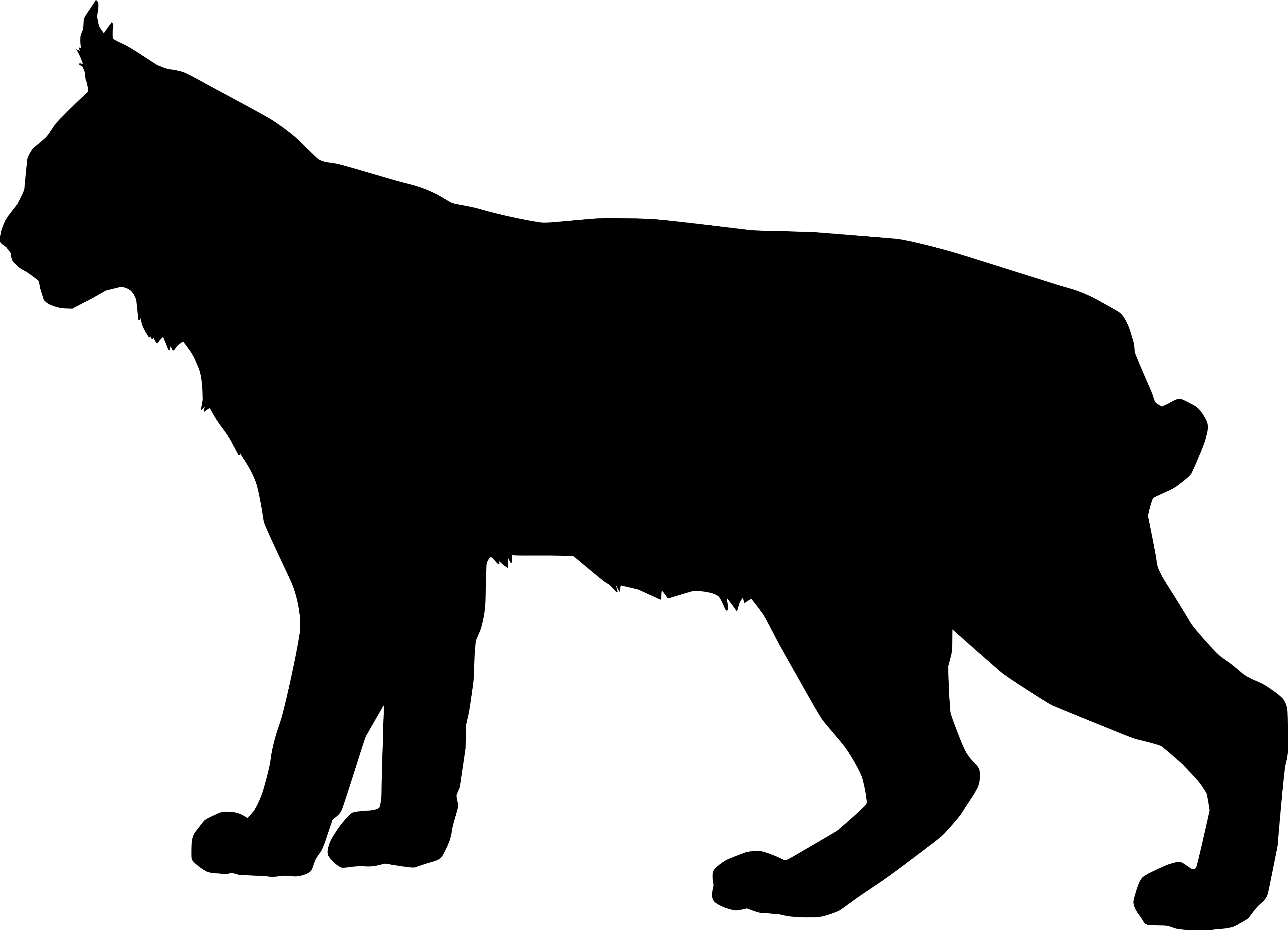
Occurrence data from iNaturalist and GBIF.

Bobcat in other states

View all states →

More mammals in Florida in the atlas

Data & sources

The data and visualizations on this page draw on these open sources:




