
Alaska mammals

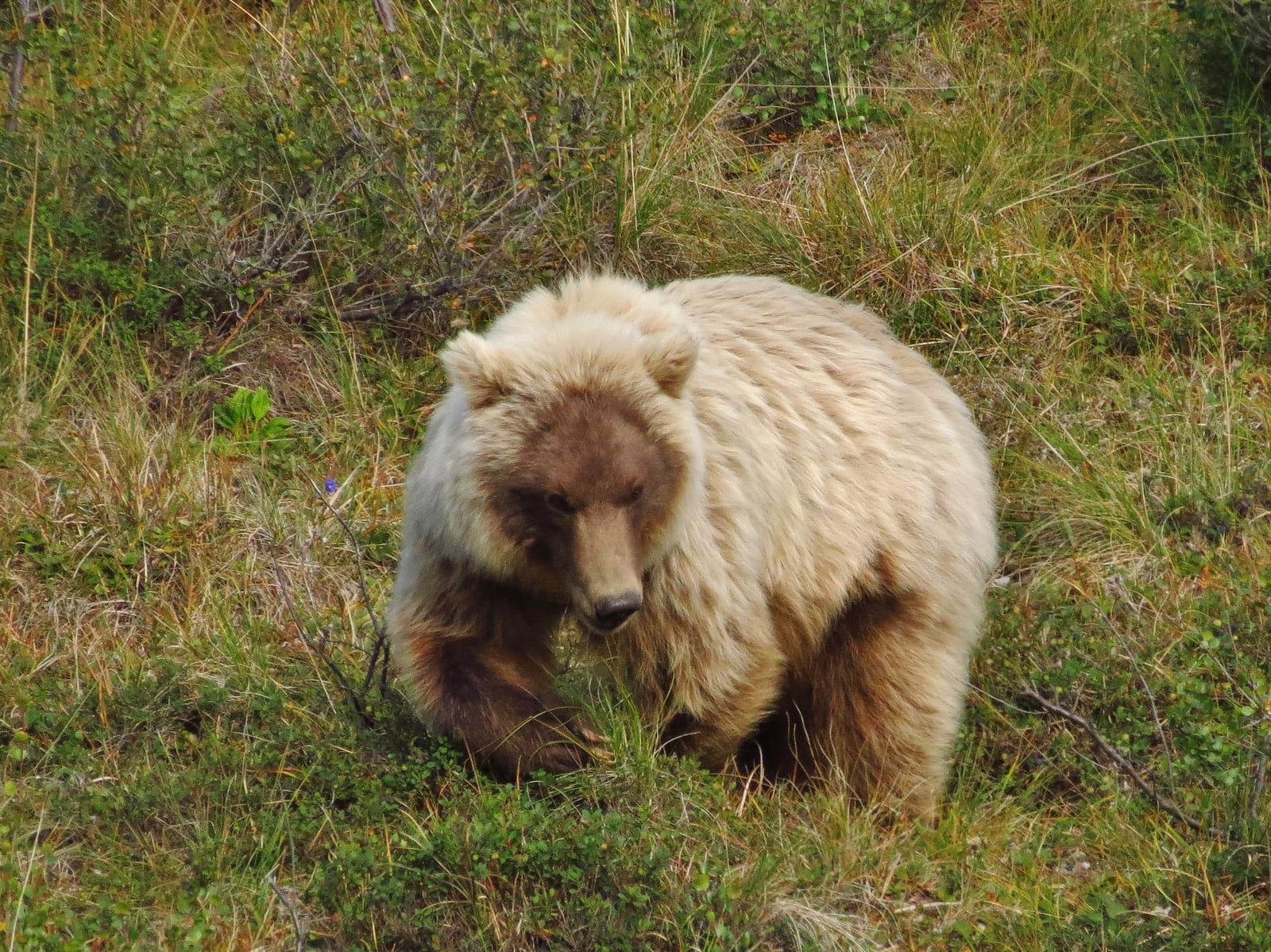
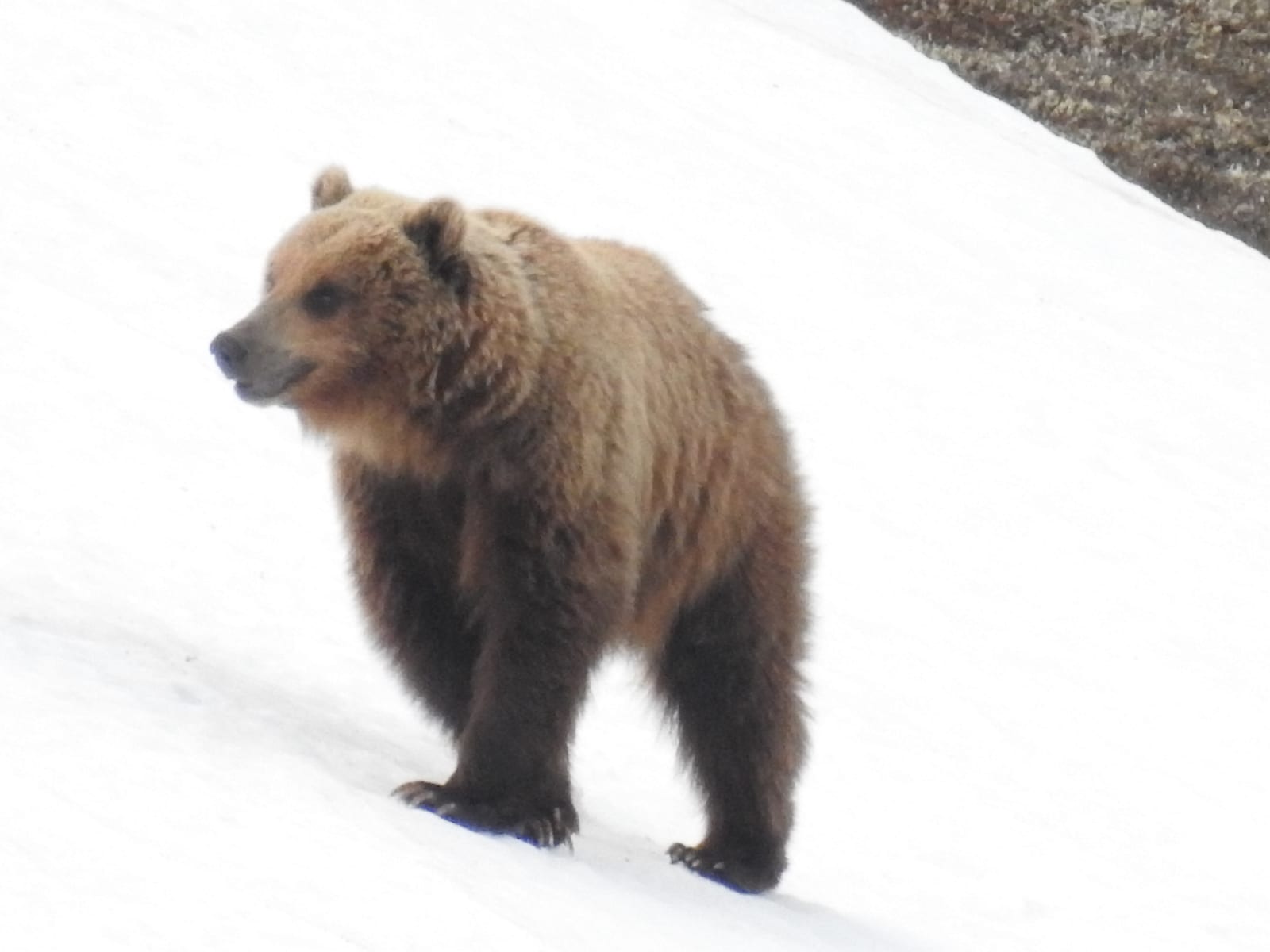
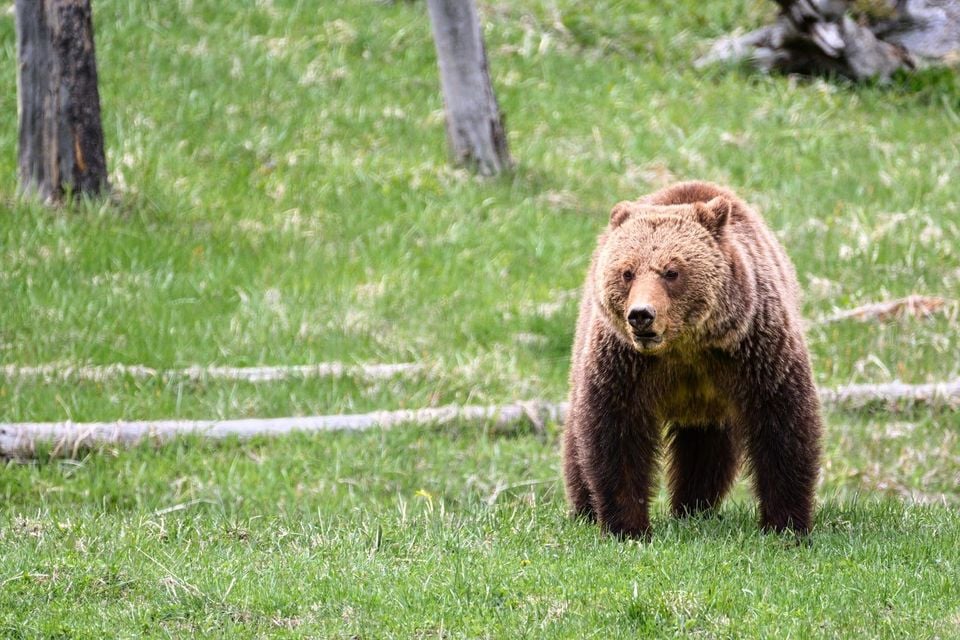
Brown Bear in Alaska

Ursus arctos

Native to Alaska S4 Apparently Secure in Alaska

Not listed as nonindigenous in Alaska by USGS NAS; native to its Alaska range.

IUCN Red List status

  1. LC
  2. NT
  3. VU
  4. EN
  5. CR
  6. EW
  7. EX

LC – Least Concern

Widespread and abundant; not at risk.

Brown Bear in Alaska, by the numbers

Common in Alaska 5th most recorded of 108 mammals logged in Alaska

4,693 occurrence records
4,441 with iNaturalist photos
Jul 12, 2026 Last seen in Alaska

Records from 2000–2026.

4,693 total records count every Alaska occurrence from GBIF and iNaturalist; the map plots a georeferenced sample of 300; the monthly chart covers the 4,509 records with a full observation date.

Field encounter

Where and when you're most likely to encounter a Brown Bear

Most active: Alaska, in June to August.

Where
AlaskaAK
When
June to August

Observe from a distance and give it room. Never approach, corner, or feed one.

When to be most aware of the Brown Bear in Alaska

Most sightings fall in June to August.

4,509 Alaska occurrence records (iNaturalist and GBIF) by month of year, 2000–2026. Shows when the species is recorded, not a guarantee of presence.

Monthly Alaska records (table)
MonthRecords
January2
February2
March8
April33
May319
June835
July1,368
August1,214
September610
October85
November29
December4

Monthly brown bear occurrence records (iNaturalist and GBIF) in Alaska, 2000–2026.

Seasonality

Year-round in Alaska, with recorded sightings peaking in June–August.

Occurrence map

Where Brown Bear has been recorded in Alaska

300 records mapped · zoom and drag to explore

300 Alaska records mapped

Where brown bear encounters are recorded

Park, forest, or monumentiNaturalist records
Katmai National Park 852
Denali National Park 650
Lake Clark National Park 130
Tongass National Forest 117
Glacier Bay National Park 103
Haines State Forest Resource Management Area 80
James Dalton Highway Corridor 45
Redoubt Bay Critical Habitat Area 34

Protected places with the most brown bear records, from the USGS Protected Areas Database plus named mountain ranges, where encounters are most often recorded, not a full breakdown, so they don't sum to the total. Keep your distance and never approach one.

Where it's recorded in Alaska

CountyRecords
Denali County 936
Lake and Peninsula County 803
Kodiak Island County 476
Kenai Peninsula County 415
Sitka County 368
Hoonah-Angoon County 272
Haines County 151
Matanuska-Susitna County 130
Anchorage County 122
North Slope County 99
Prince of Wales-Hyder County 69
Valdez-Cordova County 61
15 other counties 791

The complete county distribution, spread across 27 Alaska counties. Every occurrence record falls in one county, so these sum to the total. Counties from GBIF and US Census boundaries.

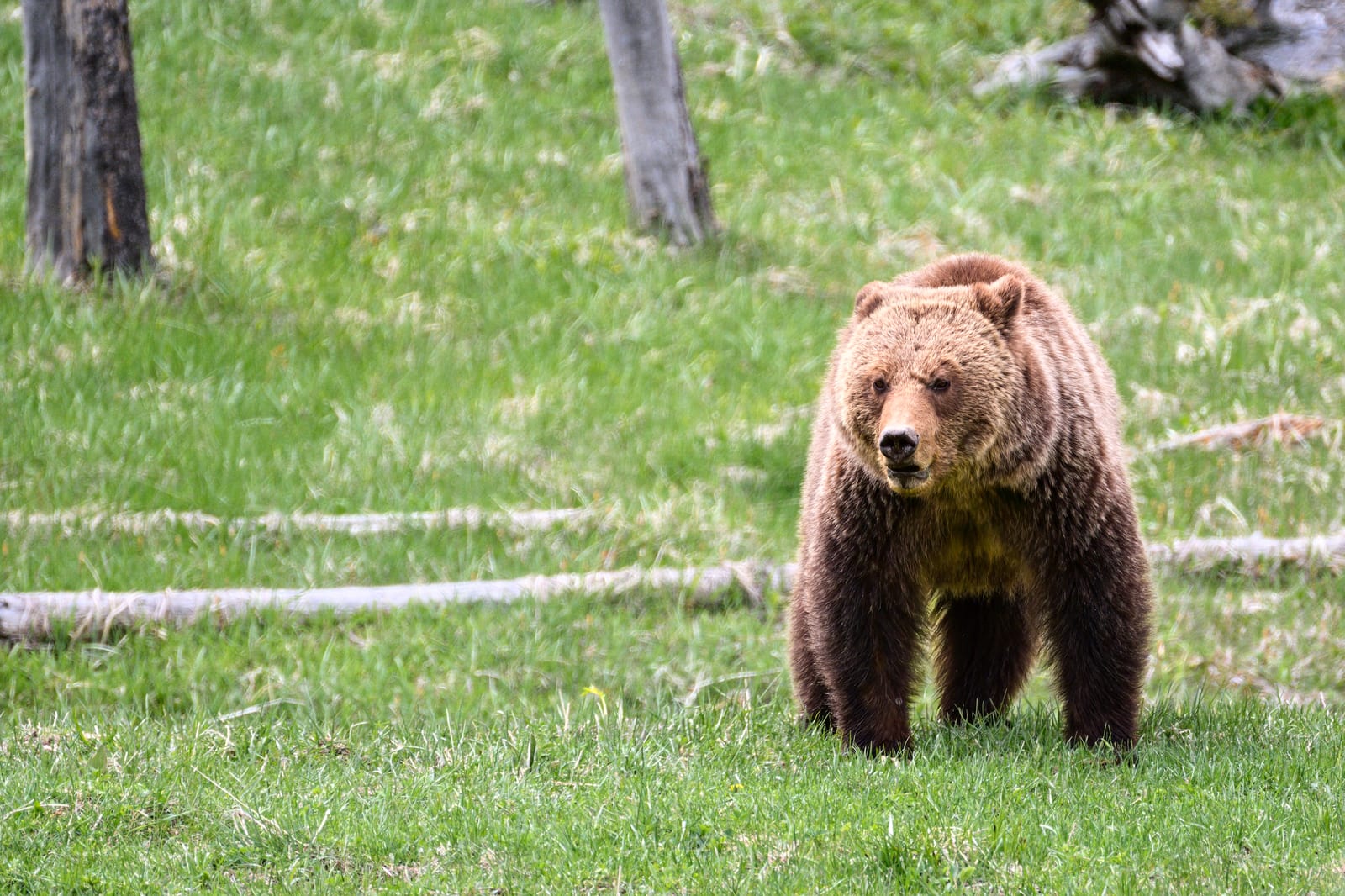
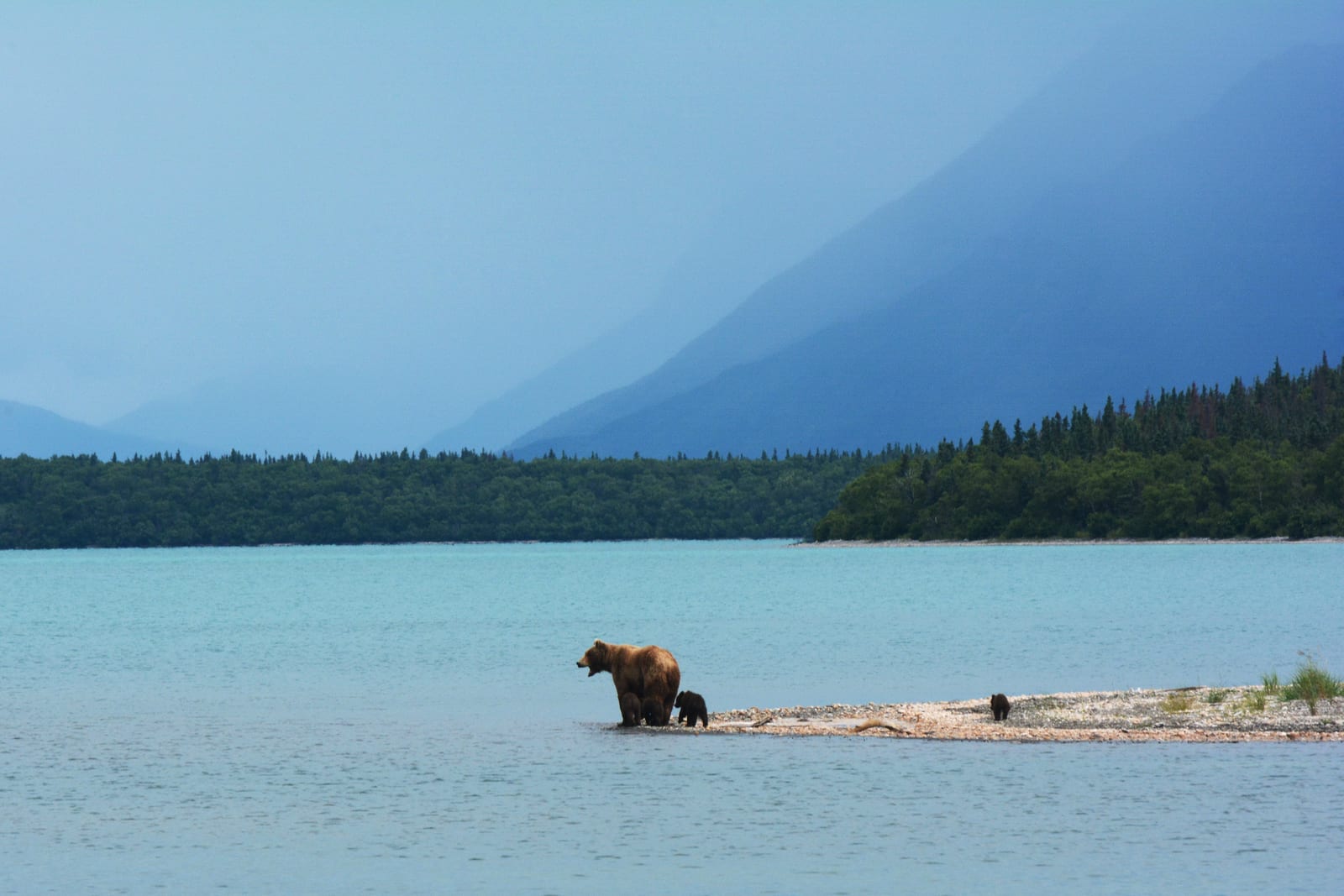
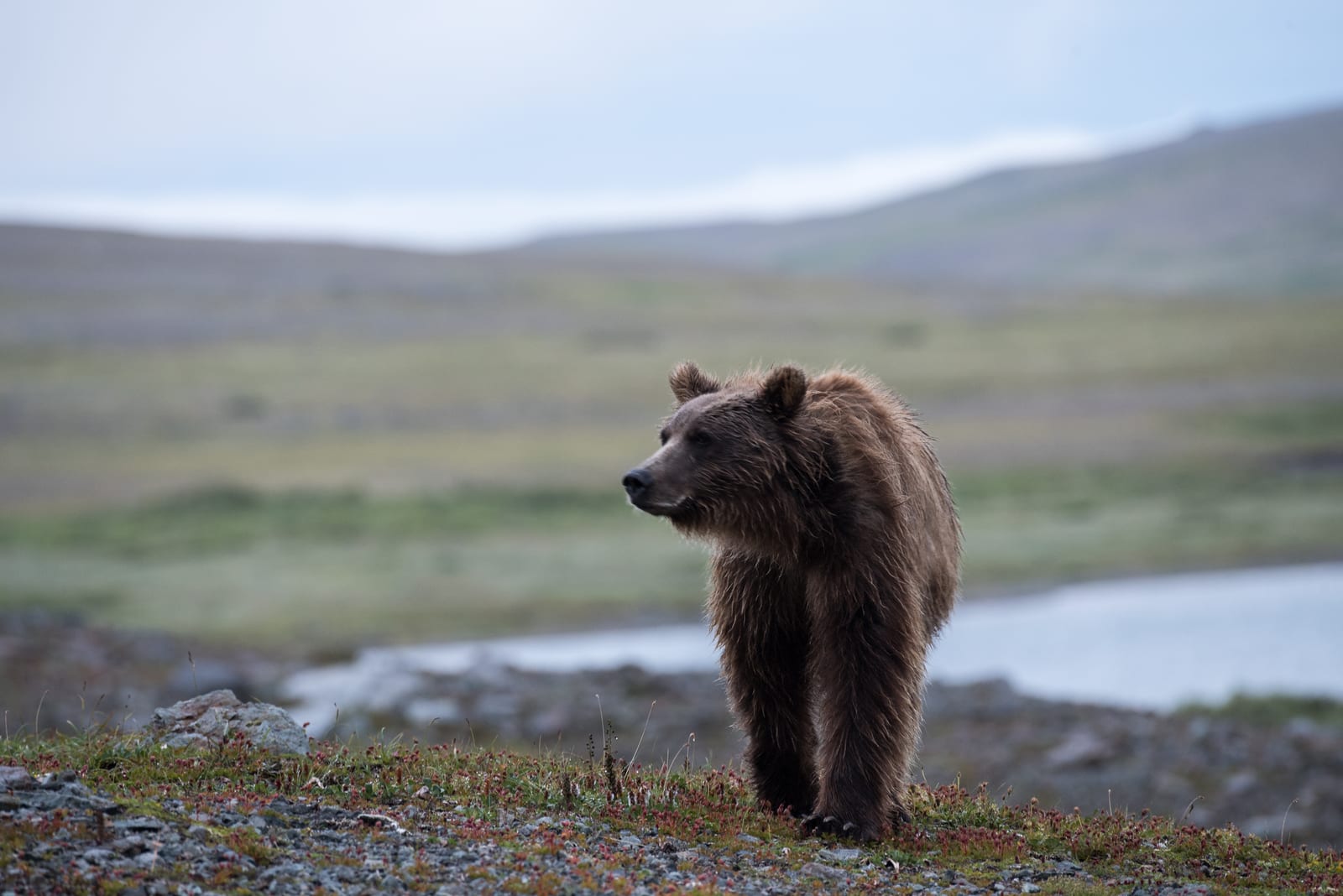
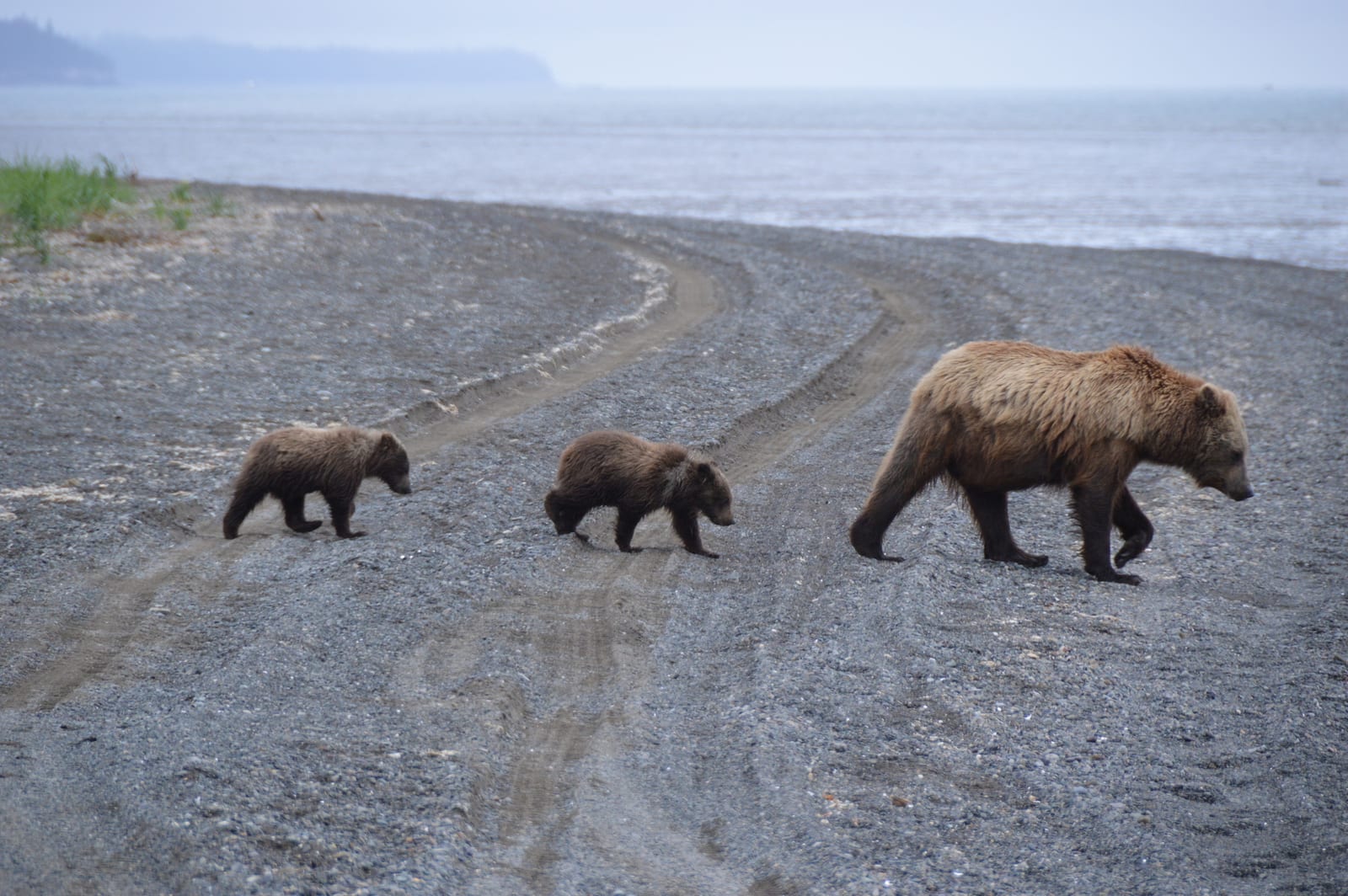
Alaska’s brown bear reports concentrate around Katmai National Park and the Kodiak National Wildlife Refuge, where coastal bears gather every summer at salmon streams, and around Denali National Park, where interior grizzlies range across open tundra and taiga far from any fish run. Glacier Bay adds a third pattern: coastal Southeast rainforest, where bears work the shoreline and berry patches instead.

That geographic split matches a real ecological divide. Katmai and Kodiak bears time their whole year around salmon runs, and a bear fishing at Katmai’s Brooks Falls can pack on more fat in a few weeks than months of grazing would supply. Denali’s interior bears fall back on roots, seeds, and berries instead, and they carry noticeably less bulk into their winter dens as a result.

Records here run year-round but peak sharply from June through September, tracking both the salmon season and the months when hikers and researchers are out in bear country. A gap in reports during any other stretch reflects den season and lighter observation effort, not an absence of bears.
Occurrence data from iNaturalist and GBIF.

Brown Bear in other states

More mammals in Alaska in the atlas

Data & sources

The data and visualizations on this page draw on these open sources:

  • GBIFCC-BY 4.0occurrence records behind the range map, elevation, and record counts
  • iNaturalistCC0 / CC-BY / CC-BY-SAobservations, photos, and audio recordings
  • NatureServe ExplorerCC-BYthe state conservation rank
  • IUCN Red Listattributed factthe global conservation status
  • USGS NASpublic domainnative / introduced status
  • Natural Earthpublic domainthe relief basemap
  • USFSpublic domainnational-forest boundaries
  • USGS Protected Areas Databasepublic domainthe named parks, forests, and refuges behind "notable places to look"




