Missouri mammals

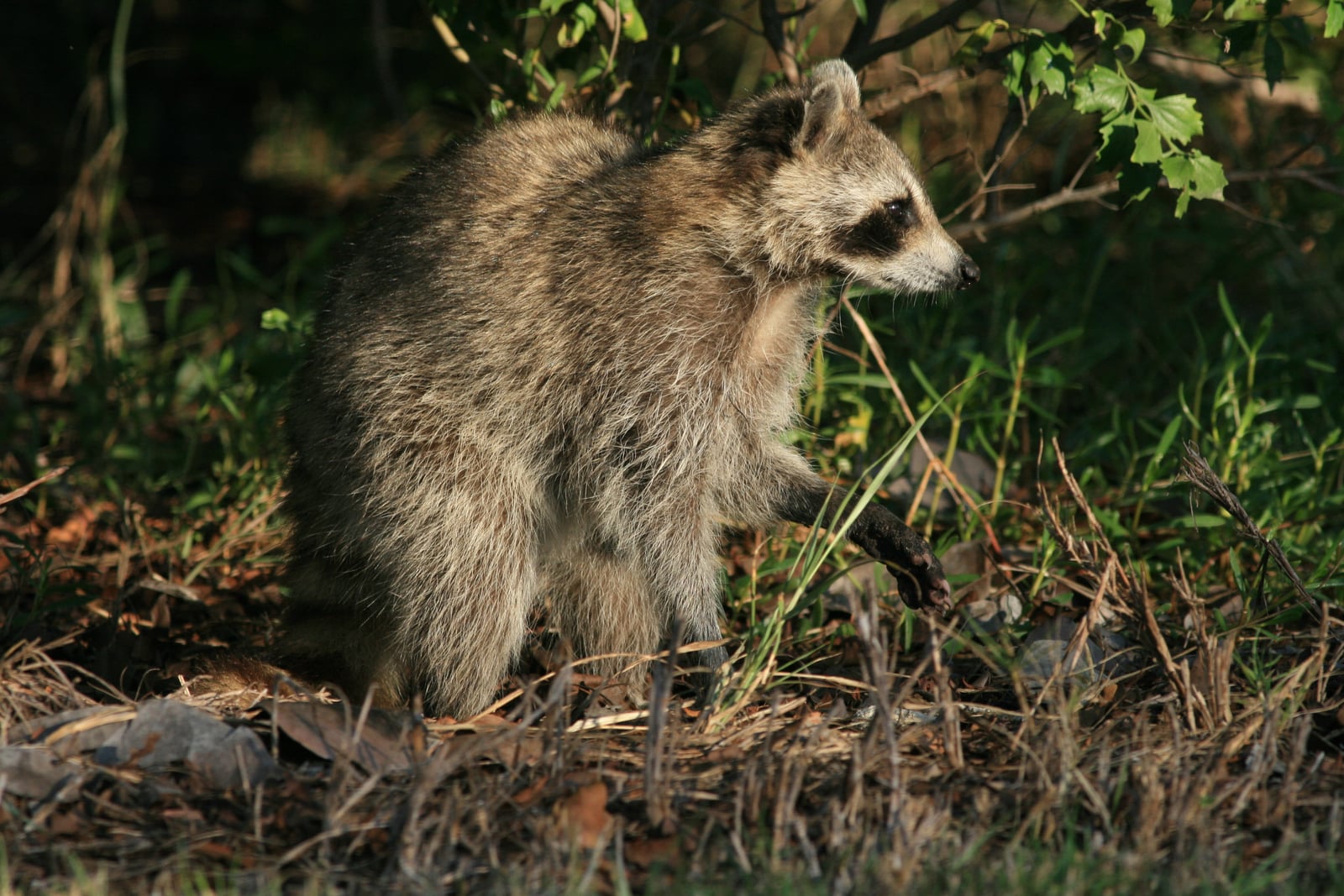
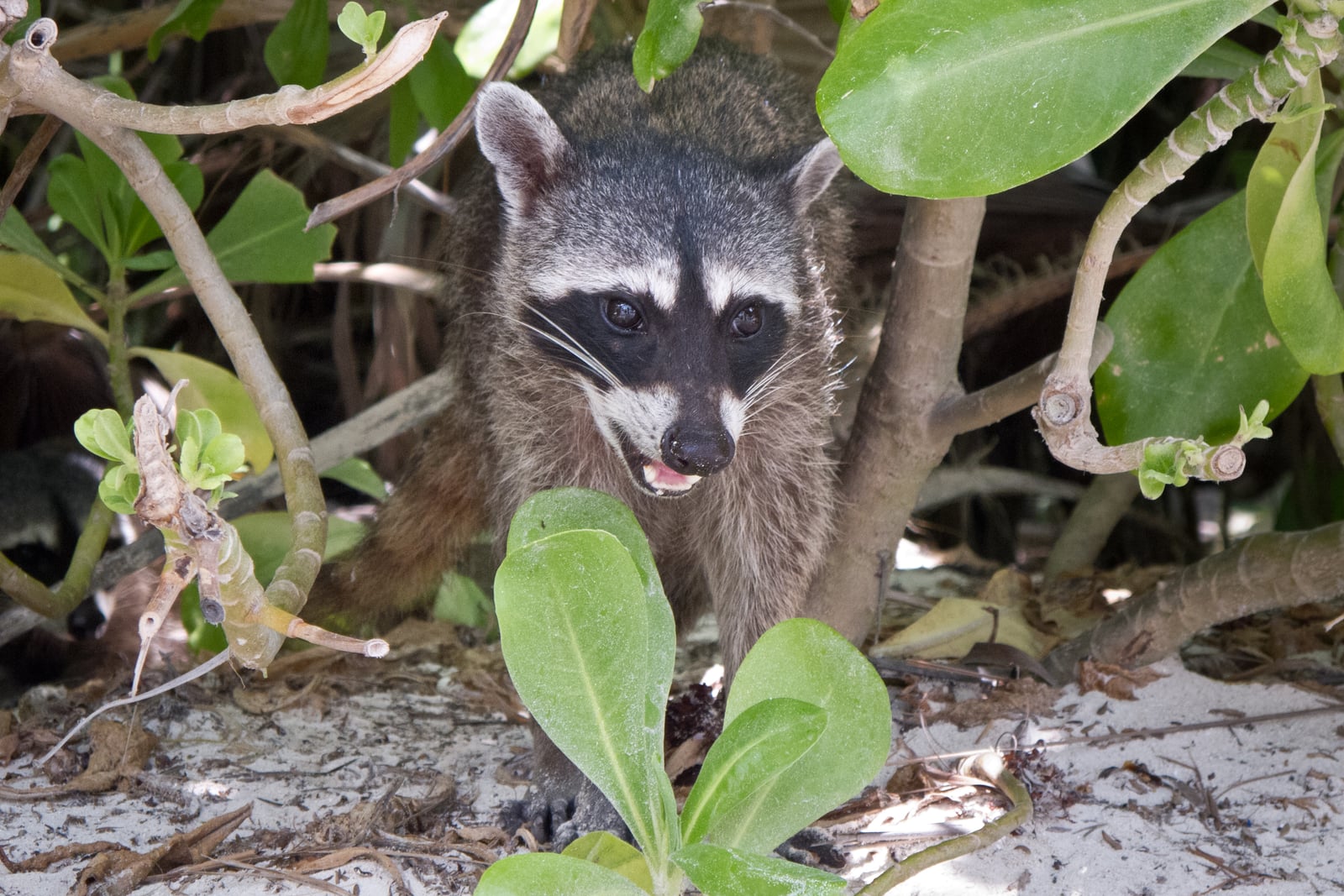
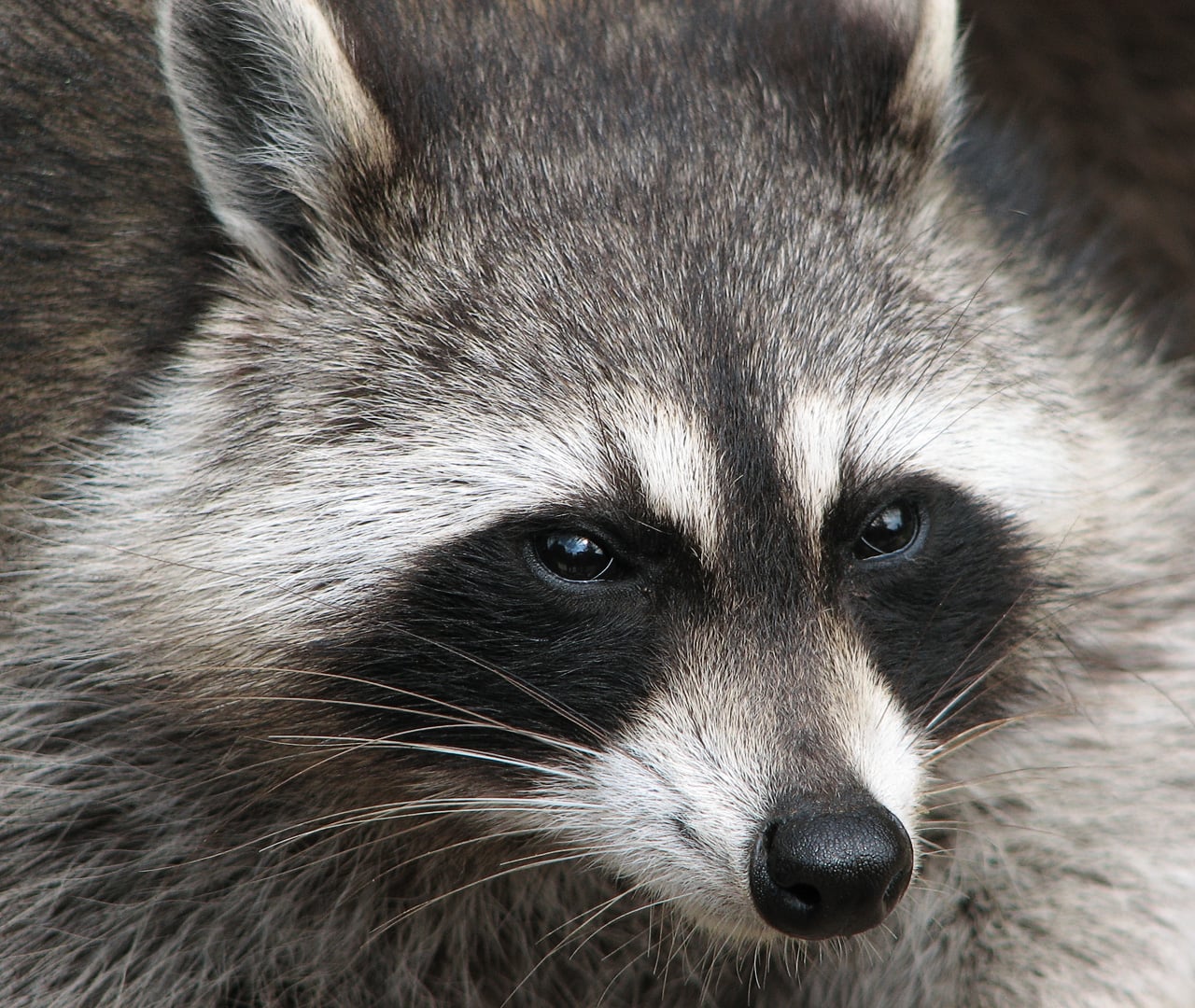
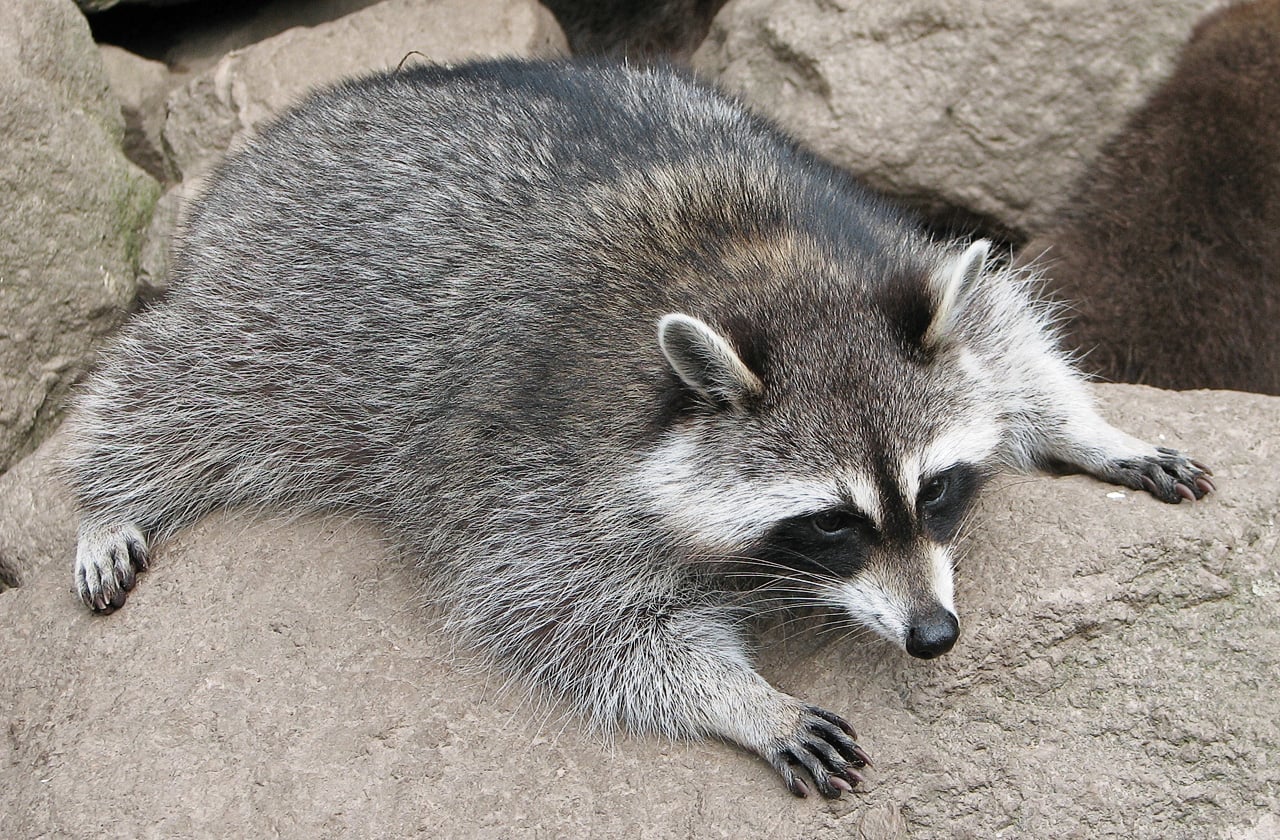
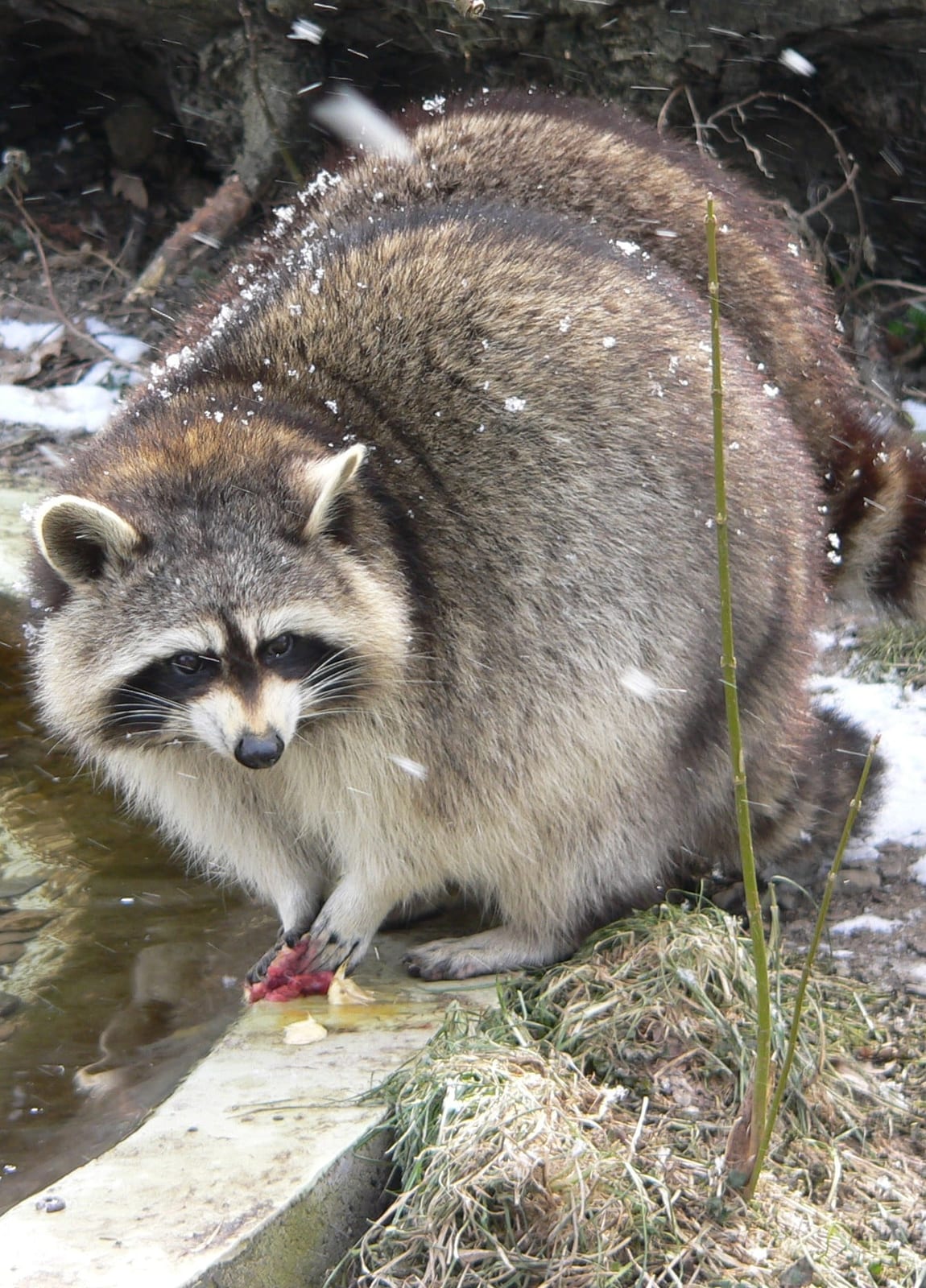
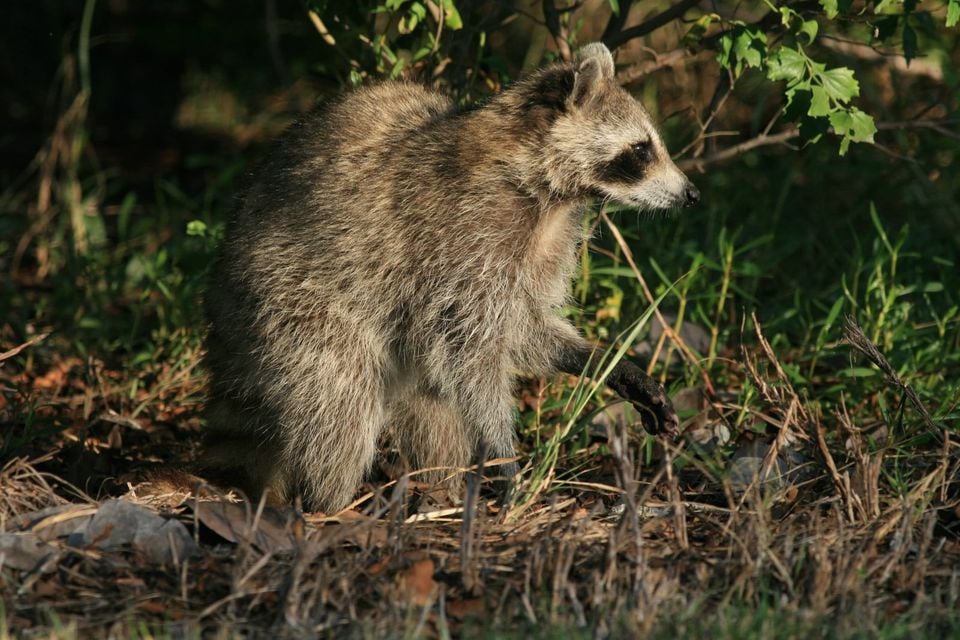
Common Raccoon in Missouri

Procyon lotor

Native to Missouri S5 Secure in Missouri

Not listed as nonindigenous in Missouri by USGS NAS; native to its Missouri range.

IUCN Red List status

  1. LC
  2. NT
  3. VU
  4. EN
  5. CR
  6. EW
  7. EX

LC – Least Concern

Widespread and abundant; not at risk.

Common Raccoon in Missouri, by the numbers

Common in Missouri 4th most recorded of 82 mammals logged in Missouri

2,230 occurrence records
2,227 with iNaturalist photos

Records from 2000–2026.

2,230 total records count every Missouri occurrence from GBIF and iNaturalist; the map plots a georeferenced sample of 300; the monthly chart covers the 2,060 records with a full observation date.

When to look for the Common Raccoon in Missouri

Most sightings fall in April to October.

2,060 Missouri occurrence records (iNaturalist and GBIF) by month of year, 2000–2026. Shows when the species is recorded, not a guarantee of presence.

Monthly Missouri records (table)
MonthRecords
January170
February180
March124
April239
May243
June214
July231
August187
September148
October148
November114
December62

Monthly common raccoon occurrence records (iNaturalist and GBIF) in Missouri, 2000–2026.

Seasonality

Year-round in Missouri, with recorded sightings peaking in April–October, with a smaller rise in January–February.

Occurrence map

Where Common Raccoon has been recorded in Missouri

300 records mapped · zoom and drag to explore

300 Missouri records mapped

Notable places to look

Park, forest, or monumentiNaturalist records
Mark Twain National Forest 20
Castlewood Sp 12
Powder Valley Conservation Nature Center 9
Columbia Bottom Ca 8
Ozark National Scenic Riverways 5
Irish Wilderness 2
Jones-Confluence Point State Park 1
Mingo National Wildlife Refuge Wilderness Area 1

Protected places with the most common raccoon sightings, from the USGS Protected Areas Database plus named mountain ranges, good spots to look, not a full breakdown, so they don't sum to the total.

Where it's recorded in Missouri

CountyRecords
Franklin County 514
St. Louis County 364
Boone County 240
St. Charles County 126
Jackson County 70
Clay County 39
Jefferson County 38
Johnson County 37
Texas County 31
Platte County 29
Greene County 26
Cole County 26
83 other counties 690

The complete county distribution, spread across 95 Missouri counties. Every occurrence record falls in one county, so these sum to the total. Counties from GBIF and US Census boundaries.

Raccoon reports in Missouri rank fourth, led by Franklin and St. Louis counties, and the species also works the state’s wetland refuges. Mingo National Wildlife Refuge protects one of the state’s last large bottomland swamps, and Big Oak Tree State Park preserves old-growth timber nearby; both combine water, den trees, and the muddy edges where raccoon tracks are easiest to confirm. Swan Lake National Wildlife Refuge, in the north-central marsh country, offers the same shoreline-and-woods combination on the opposite side of the state.

The monthly record count stays fairly steady but climbs into an April through July plateau, which likely tracks warmer nights and more people outdoors looking, rather than a raccoon baby boom. Nearly all 2,230 records come from iNaturalist, 1,383 of them also carried in GBIF, so this reflects casual photo submissions more than structured data collection.
Occurrence data from iNaturalist and GBIF.

Common Raccoon in other states

Common Raccoon range map (all states)

More mammals in Missouri in the atlas

Data & sources

The data and visualizations on this page draw on these open sources:

  • GBIFCC-BY 4.0occurrence records behind the range map, elevation, and record counts
  • iNaturalistCC0 / CC-BY / CC-BY-SAobservations, photos, and audio recordings
  • NatureServe ExplorerCC-BYthe state conservation rank
  • IUCN Red Listattributed factthe global conservation status
  • USGS NASpublic domainnative / introduced status
  • Natural Earthpublic domainthe relief basemap
  • USFSpublic domainnational-forest boundaries
  • USGS Protected Areas Databasepublic domainthe named parks, forests, and refuges behind "notable places to look"