
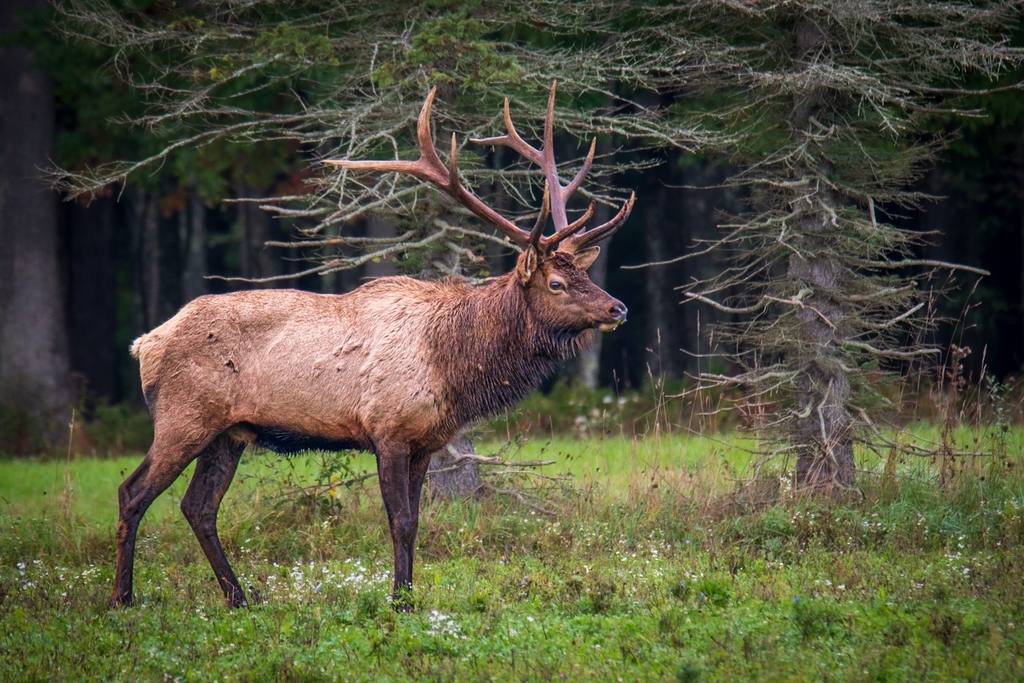
New Mexico mammals

Elk in New Mexico

Cervus canadensis

Native to New Mexico S3 Vulnerable in New Mexico

Not listed as nonindigenous in New Mexico by USGS NAS; native to its New Mexico range.

IUCN Red List status

  1. LC
  2. NT
  3. VU
  4. EN
  5. CR
  6. EW
  7. EX

LC – Least Concern

Widespread and abundant; not at risk.

Elk in New Mexico, by the numbers

Common in New Mexico 3rd most recorded of 176 mammals logged in New Mexico

3,081 occurrence records
2,812 with iNaturalist photos
Jul 7, 2026 Last seen in New Mexico

Records from 2000–2026.

3,081 total records count every New Mexico occurrence from GBIF and iNaturalist; the map plots a georeferenced sample of 300; the monthly chart covers the 2,969 records with a full observation date.

When to look for the Elk in New Mexico

Most sightings fall in May to July.

2,969 New Mexico occurrence records (iNaturalist and GBIF) by month of year, 2000–2026. Shows when the species is recorded, not a guarantee of presence.

Monthly New Mexico records (table)
MonthRecords
January84
February82
March164
April264
May299
June449
July439
August268
September271
October314
November210
December125

Monthly elk occurrence records (iNaturalist and GBIF) in New Mexico, 2000–2026.

Seasonality

Year-round in New Mexico, with recorded sightings peaking in May–July, with a smaller rise in September–October.

Occurrence map

Where Elk has been recorded in New Mexico

300 records mapped · zoom and drag to explore

300 New Mexico records mapped

Notable places to look

Park, forest, or monumentiNaturalist records
Lincoln National Forest 243
Valles Caldera National Preserve 225
Chaco Culture National Historical Park 65
Bandelier National Monument 31
State Trust Land 19
Carson Other 17
Santa Fe National Forest 12
White Mountain Wilderness 11

Protected places with the most elk sightings, from the USGS Protected Areas Database plus named mountain ranges, good spots to look, not a full breakdown, so they don't sum to the total.

Where it's recorded in New Mexico

CountyRecords
Otero County 1,028
Sandoval County 544
Lincoln County 401
Colfax County 172
Catron County 132
Socorro County 99
San Juan County 84
Rio Arriba County 73
San Miguel County 73
Cibola County 64
Taos County 55
Mora County 47
16 other counties 309

The complete county distribution, spread across 28 New Mexico counties. Every occurrence record falls in one county, so these sum to the total. Counties from GBIF and US Census boundaries.

Subspecies in New Mexico

New Mexico elk are Rocky Mountain elk (Cervus canadensis nelsoni), found mainly in the state’s northern and western mountain country.

New Mexico’s 3,081 elk records trace the state’s mountain spine: Otero County and Lincoln National Forest anchor the south, the Valles Caldera National Preserve and Sandoval County anchor the north, and Colfax, Catron, and Socorro counties fill the high country between. In a state better known for desert, elk belong emphatically to the islands of elevation.

Meadows on top of a dry state

Elk here are Rocky Mountain elk, and they live where the mountains catch enough moisture for grass and ponderosa: the caldera meadows of the Jemez, the Sangre de Cristo country, the Sacramento Mountains, and the Gila region. They graze open parks at dawn and dusk and bed in timber through the heat of the day, a rhythm that suits a land where open ground warms fast.

Summer crowns the record

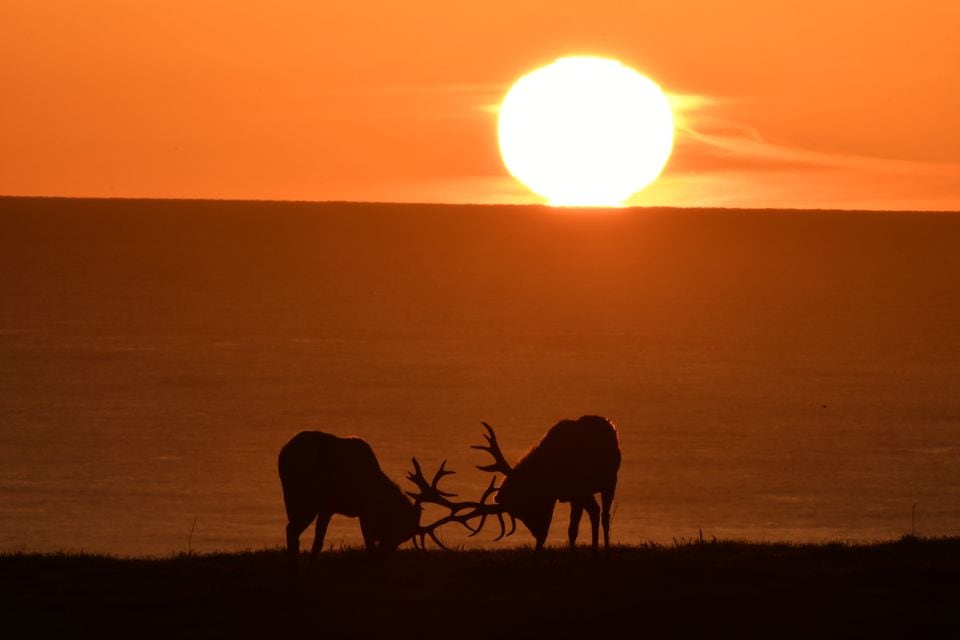
Counts climb from April to a June and July crest, when herds are in the high meadows and cows are raising new calves, then hold strong through the October rut, when bugling carries across the mountain parks. Winter counts thin but never stop; elk simply trade the high basins for sheltered south-facing slopes.

Status in New Mexico

NatureServe ranks elk S3, Vulnerable, in New Mexico, and the species is native to the state. USGS NAS does not list it as nonindigenous here.
Occurrence data from iNaturalist and GBIF.

Elk in other states

Elk range map (all states)

More mammals in New Mexico in the atlas

Data & sources

The data and visualizations on this page draw on these open sources:

  • GBIFCC-BY 4.0occurrence records behind the range map, elevation, and record counts
  • iNaturalistCC0 / CC-BY / CC-BY-SAobservations, photos, and audio recordings
  • NatureServe ExplorerCC-BYthe state conservation rank
  • IUCN Red Listattributed factthe global conservation status
  • USGS NASpublic domainnative / introduced status
  • Natural Earthpublic domainthe relief basemap
  • USFSpublic domainnational-forest boundaries
  • USGS Protected Areas Databasepublic domainthe named parks, forests, and refuges behind "notable places to look"




