
Washington’s 2,819 elk records stack up on both sides of the Cascades, but the weight of the map sits on the Olympic Peninsula. Jefferson County alone holds 724, with Olympic National Park and the Daniel J. Evans Wilderness Area combining for more than 500 records, while Mount Rainier National Park, Mount St. Helens National Volcanic Monument, and the Oak Creek Wildlife Area anchor the Cascade and east-side counts.
The Roosevelt elk’s last stronghold
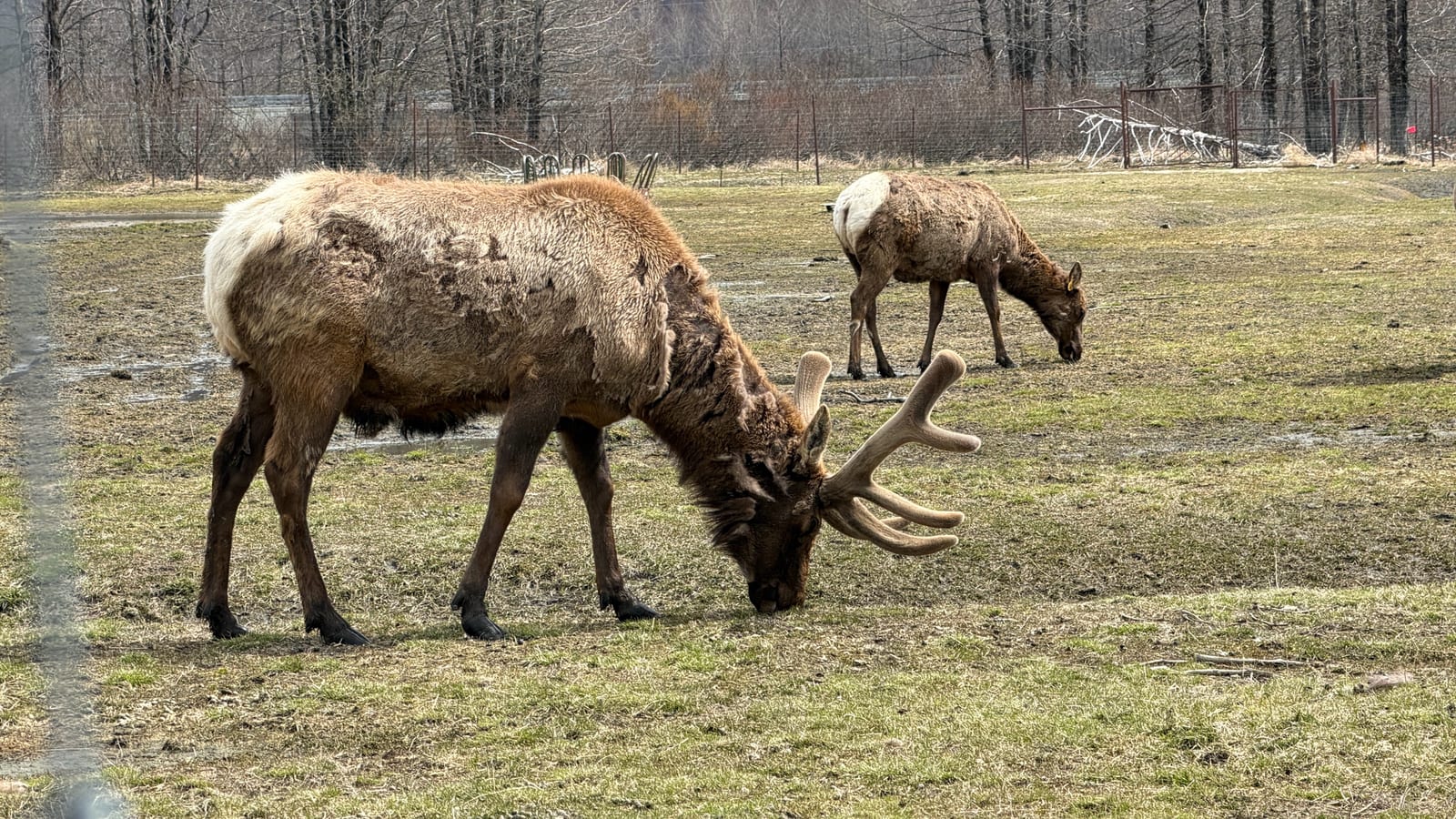
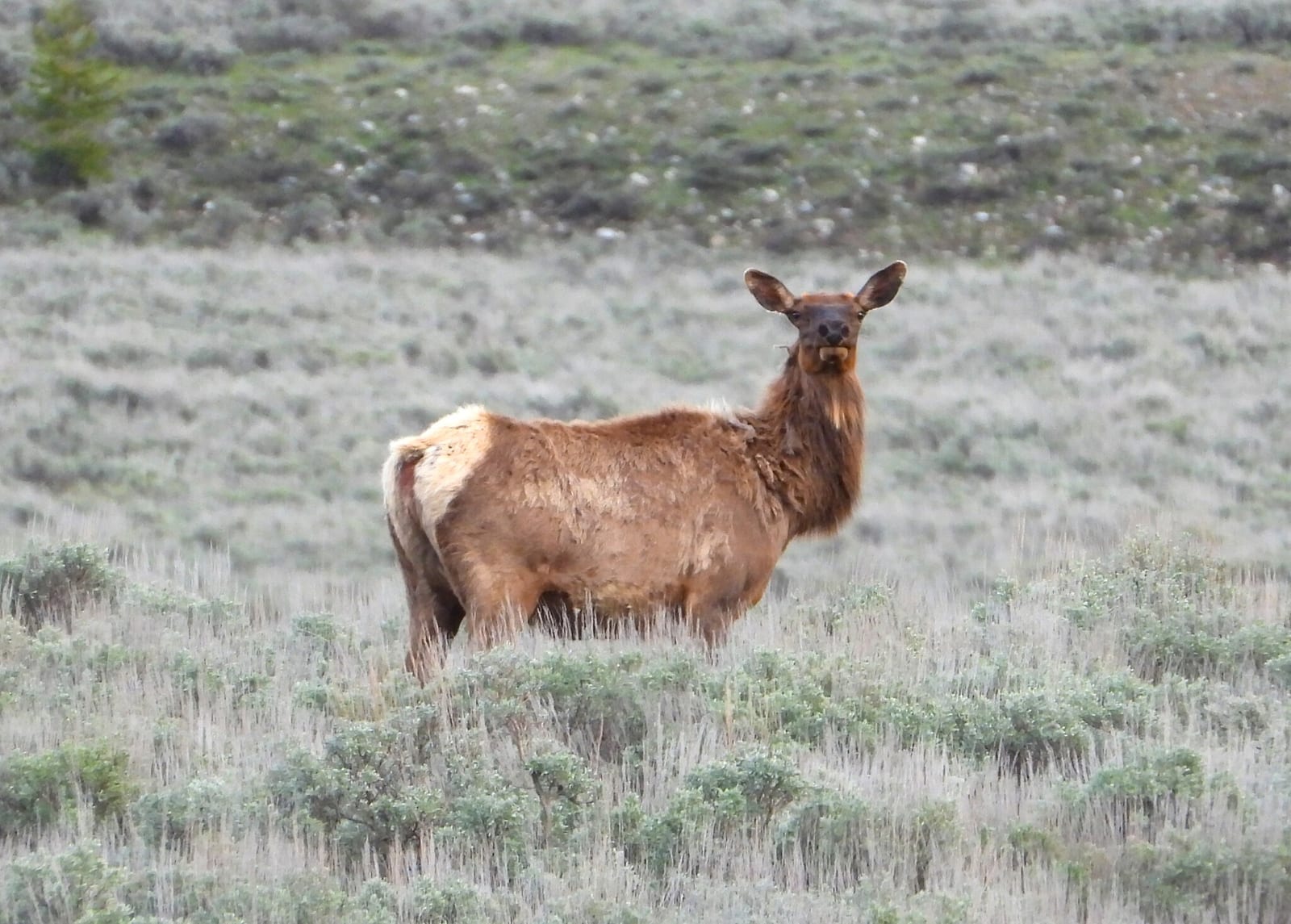
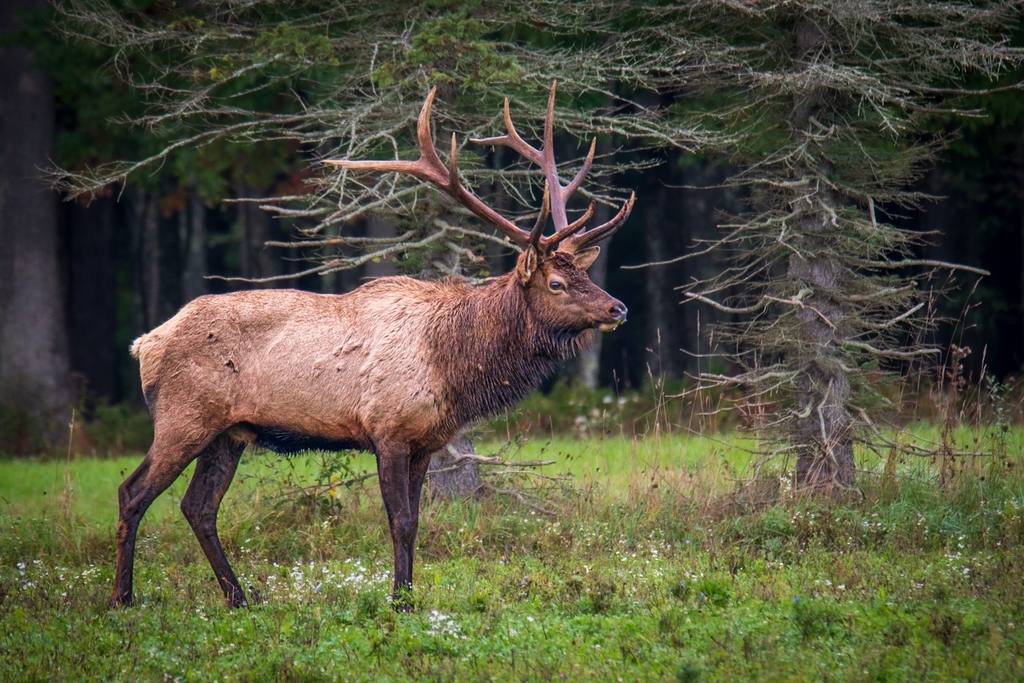
The Olympic Peninsula holds the largest remaining population of Roosevelt elk, the biggest-bodied of the elk subspecies, a rainforest animal that winters in valley bottoms and summers on high meadows inside the park. Protecting these herds was a stated reason for setting aside the peninsula’s interior in 1909, and they remain wild animals most often met at close range on a narrow trail or road shoulder, where a half-ton bull or a cow with a calf leaves very little room for error.
A summer-crested calendar
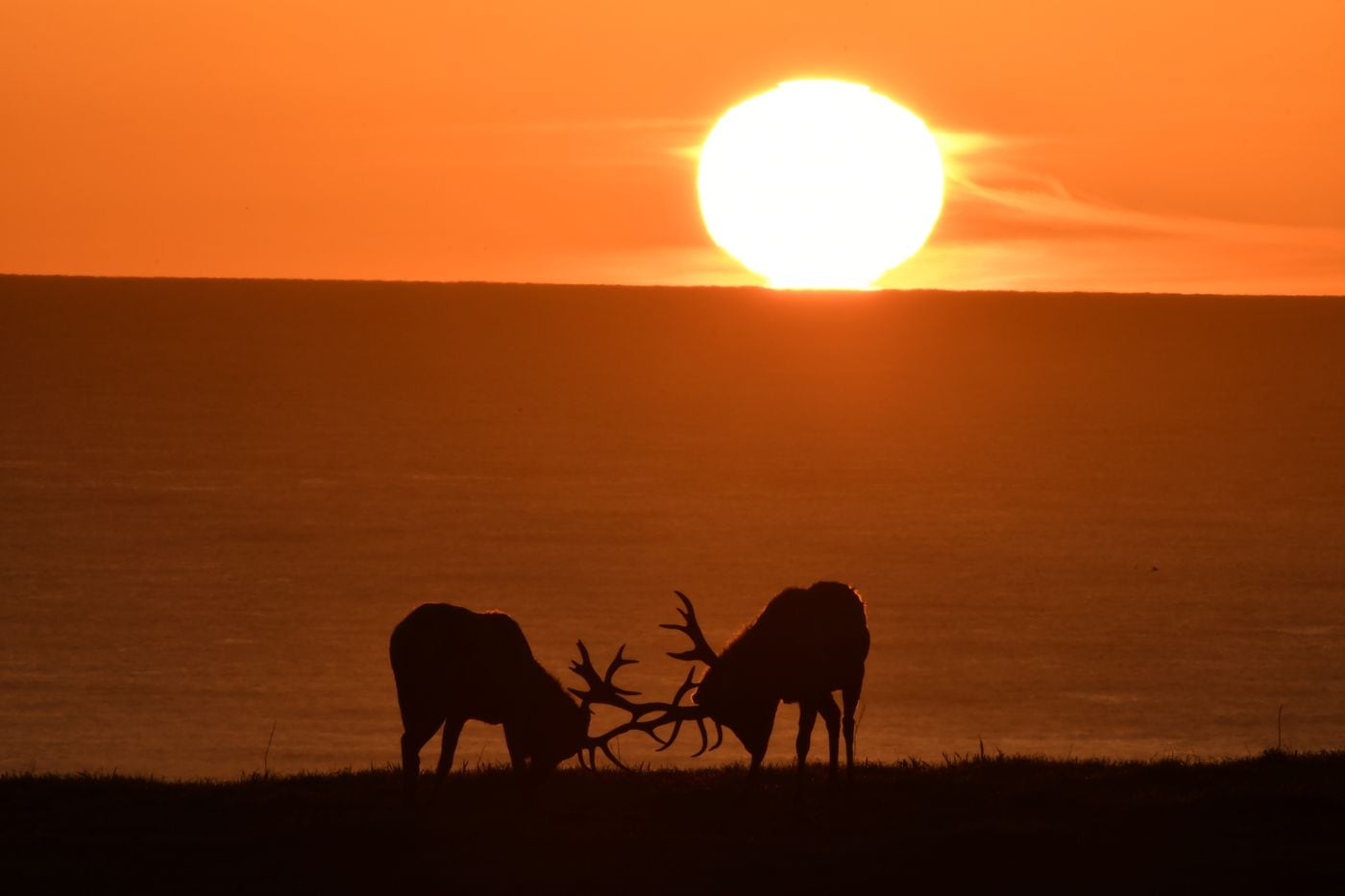
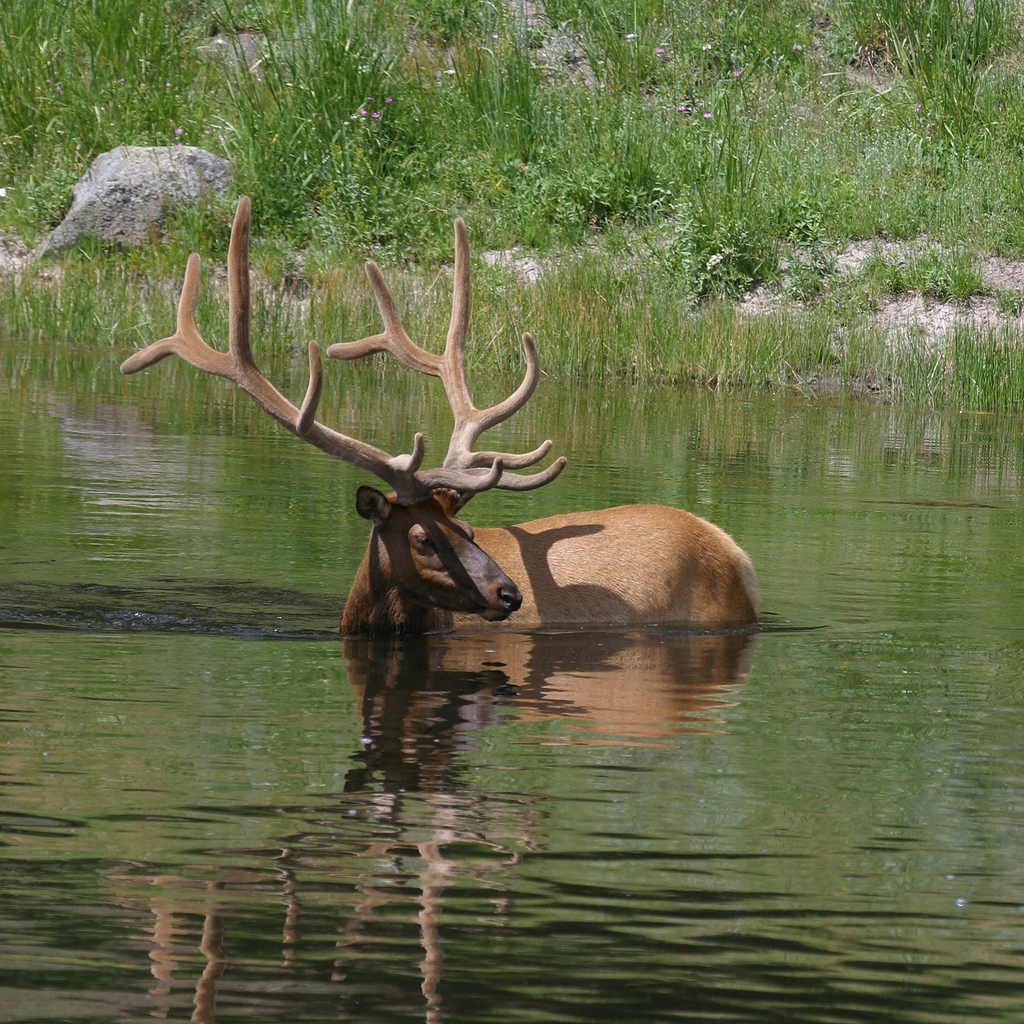
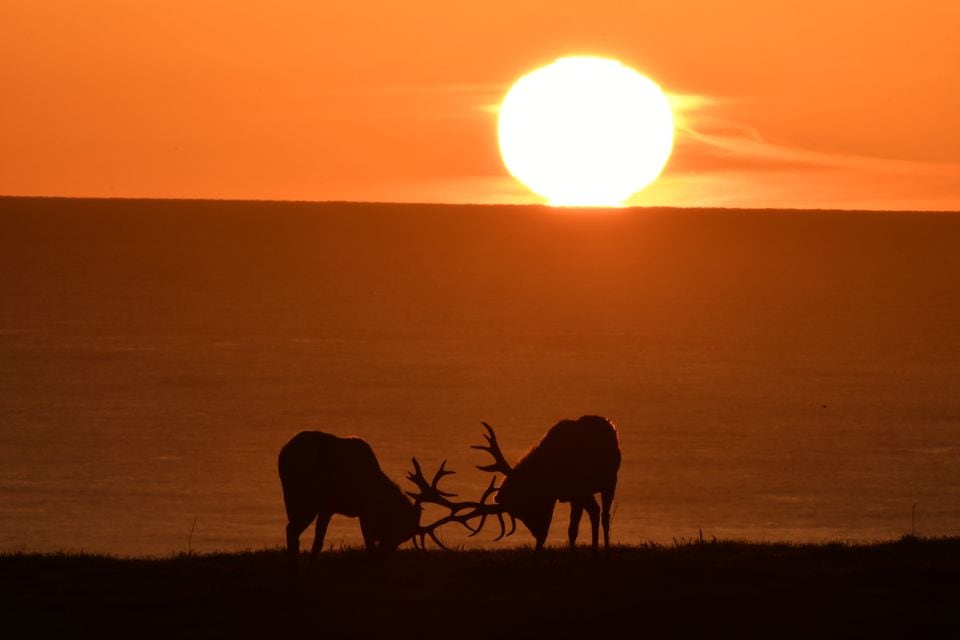
Reports climb from spring into a July crest of 382, when elk are on open subalpine meadows and moving in daylight at dawn and dusk. The September rut, when bulls bugle and spar, shows up as a smaller bump, and counts taper through the wet winter as herds drop back into the timbered lowlands. East of the mountains, in Kittitas and Yakima counties, the same rhythm plays out in drier country around the Oak Creek Wildlife Area.
Status in Washington
NatureServe ranks elk S5, Secure, in Washington, and the species is native to the state. USGS NAS does not list it as nonindigenous here.
 Full species profile




