

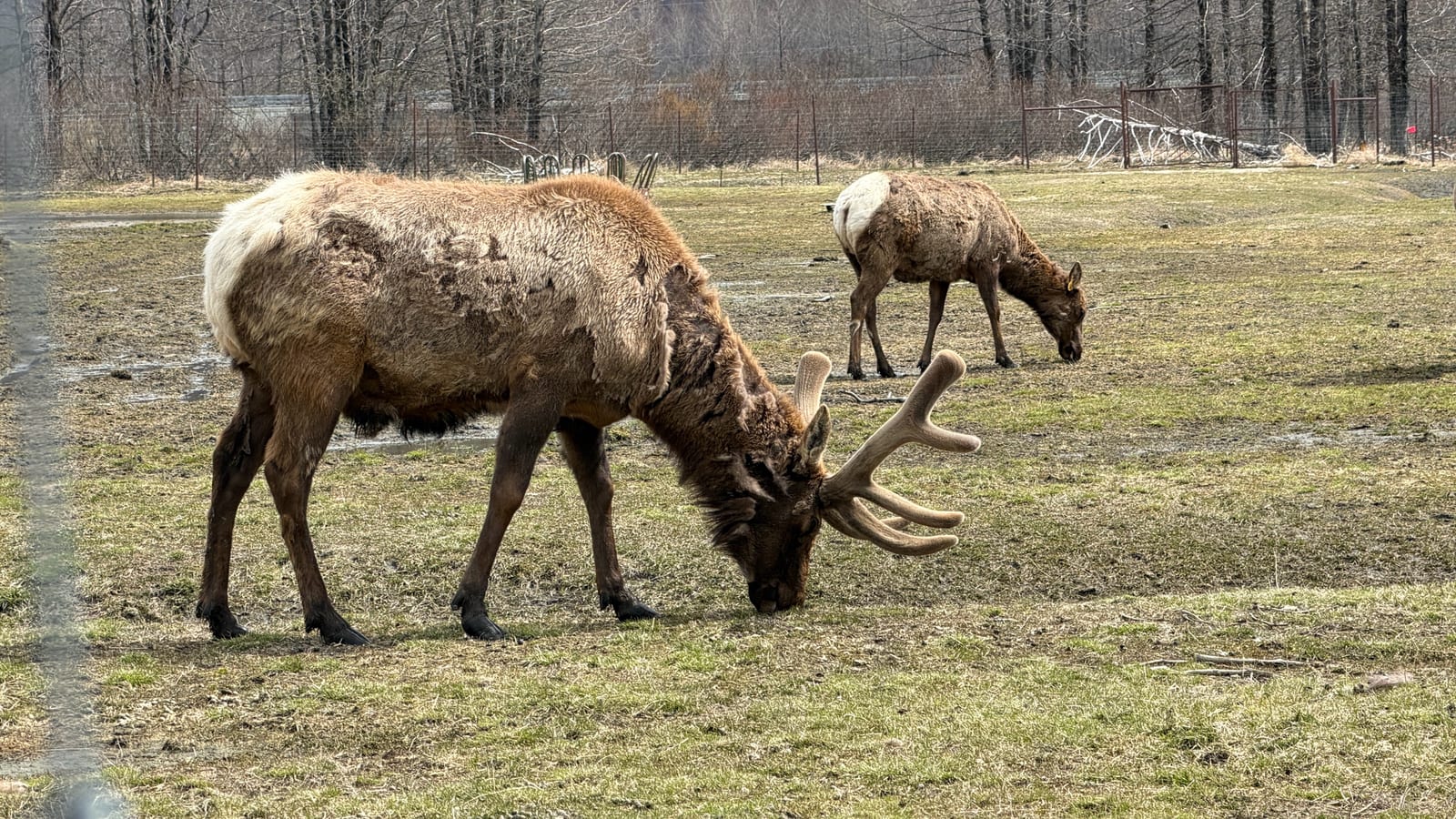
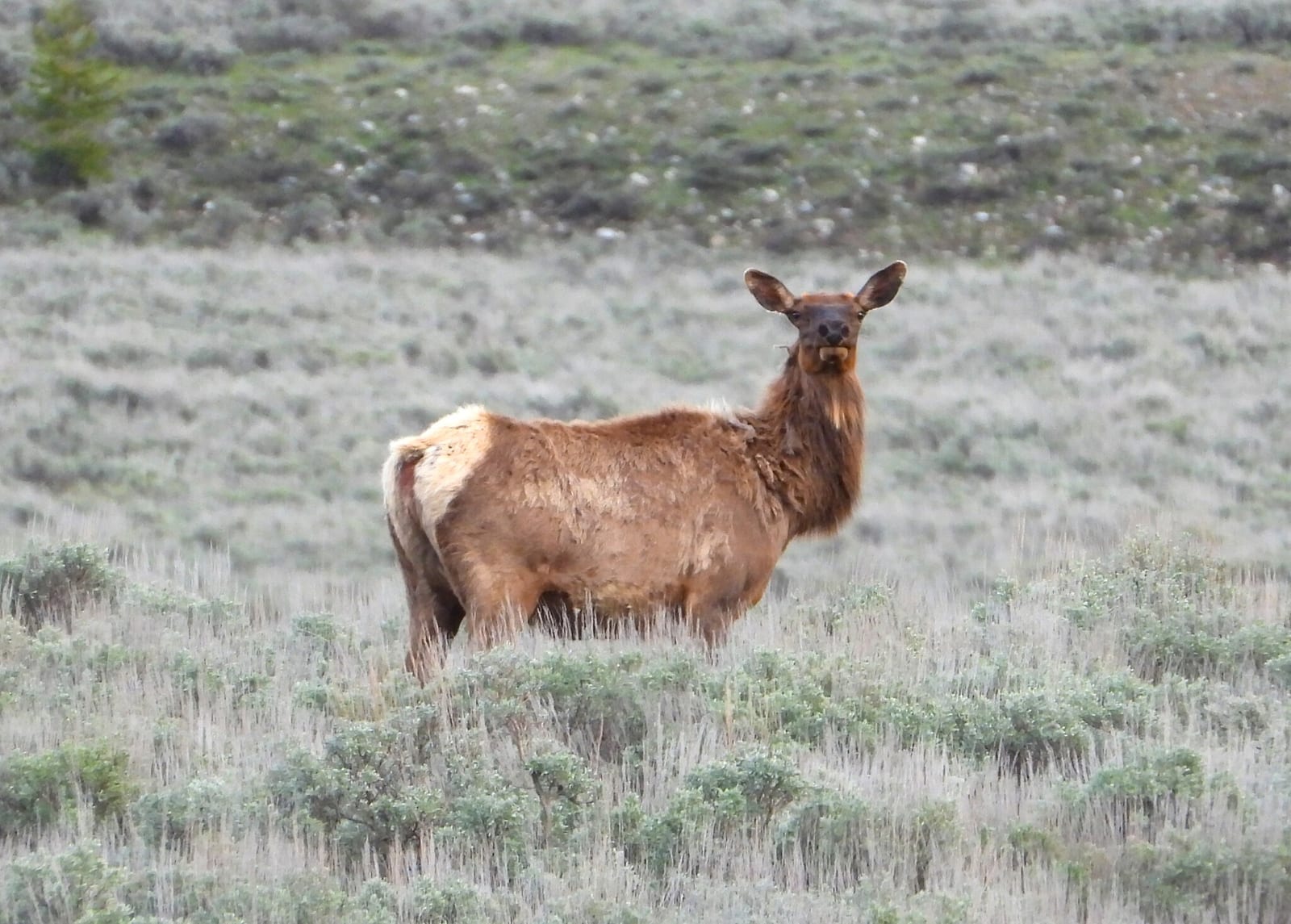


Tennessee’s elk exist today because of a reintroduction, not a surviving wild herd. The species was extirpated from the state in the 1800s and returned starting in 2000, when animals were released onto the North Cumberland Wildlife Management Area’s Royal Blue and Sundquist units in the northeastern Cumberland Mountains. So every Tennessee elk record from 2000 to 2026 comes from reintroduced animals and their offspring.
Reports run highest from April through July, with June leading at 31, then rise again in September and October, the peak of the fall rut, when bulls bugle and gather harems and become much easier for people to notice. Every record here is an iNaturalist sighting, so the pattern reflects casual public sightings around the reintroduced herd, not a formal survey count.

 Full species profile




