
Florida mammals

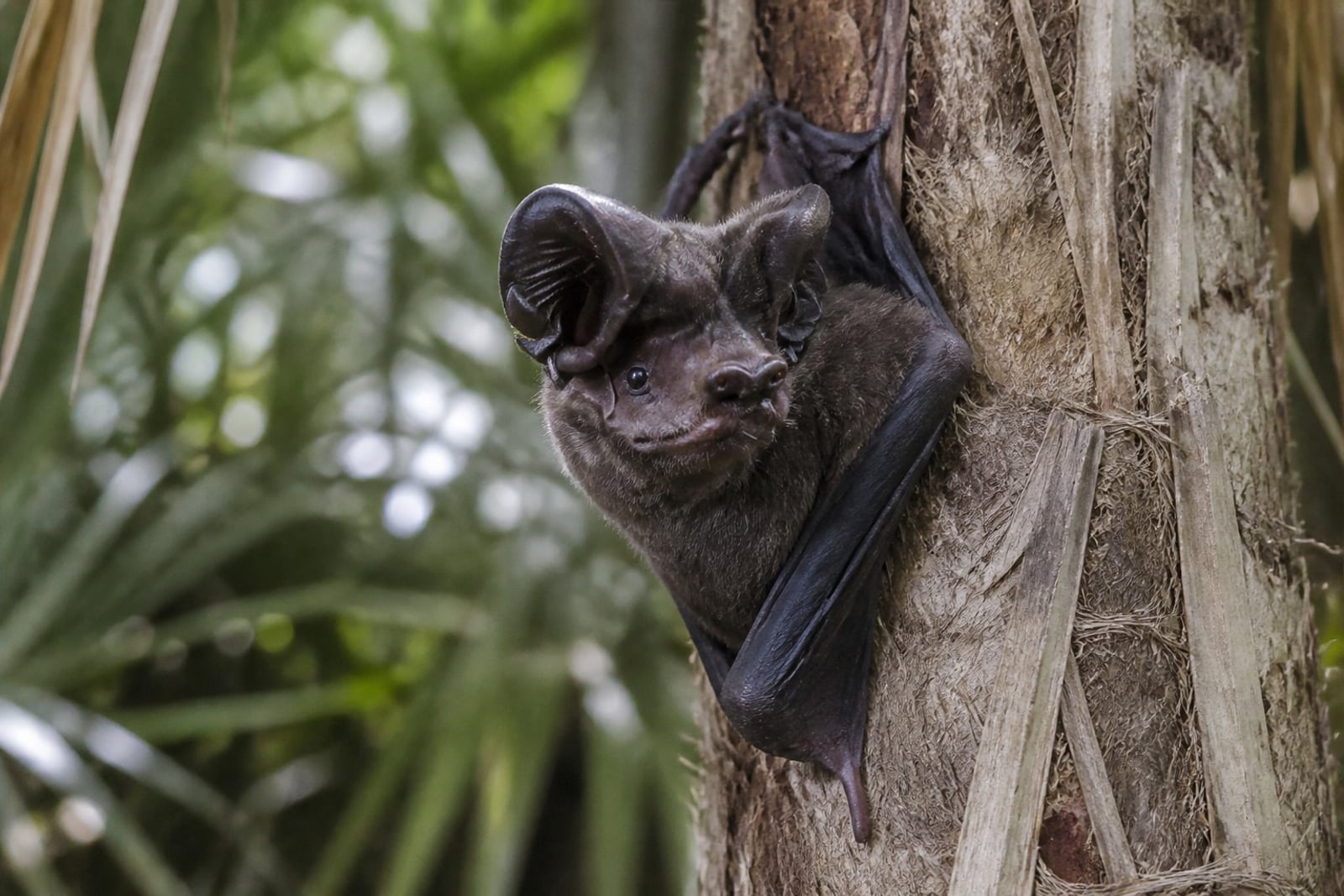
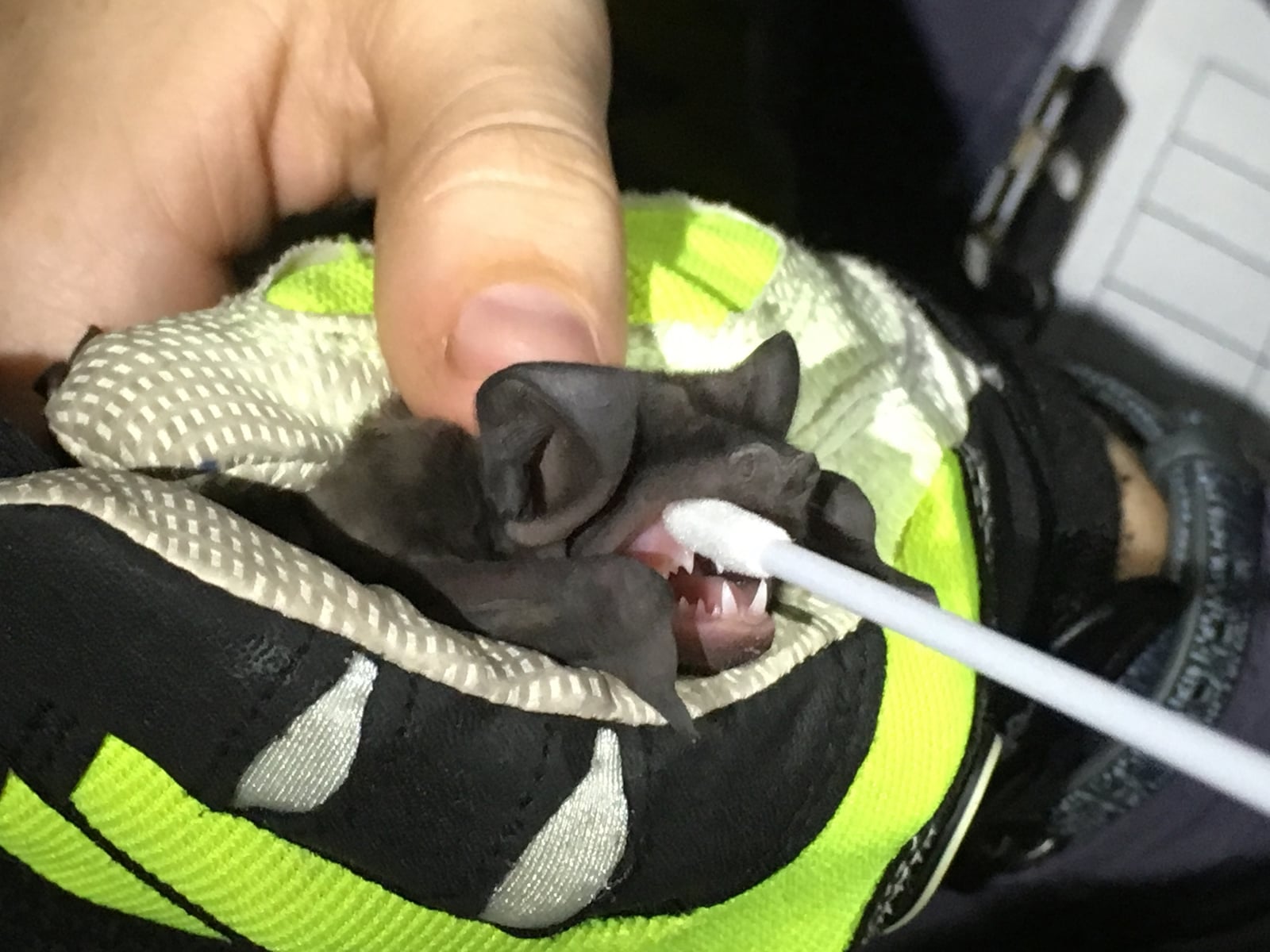
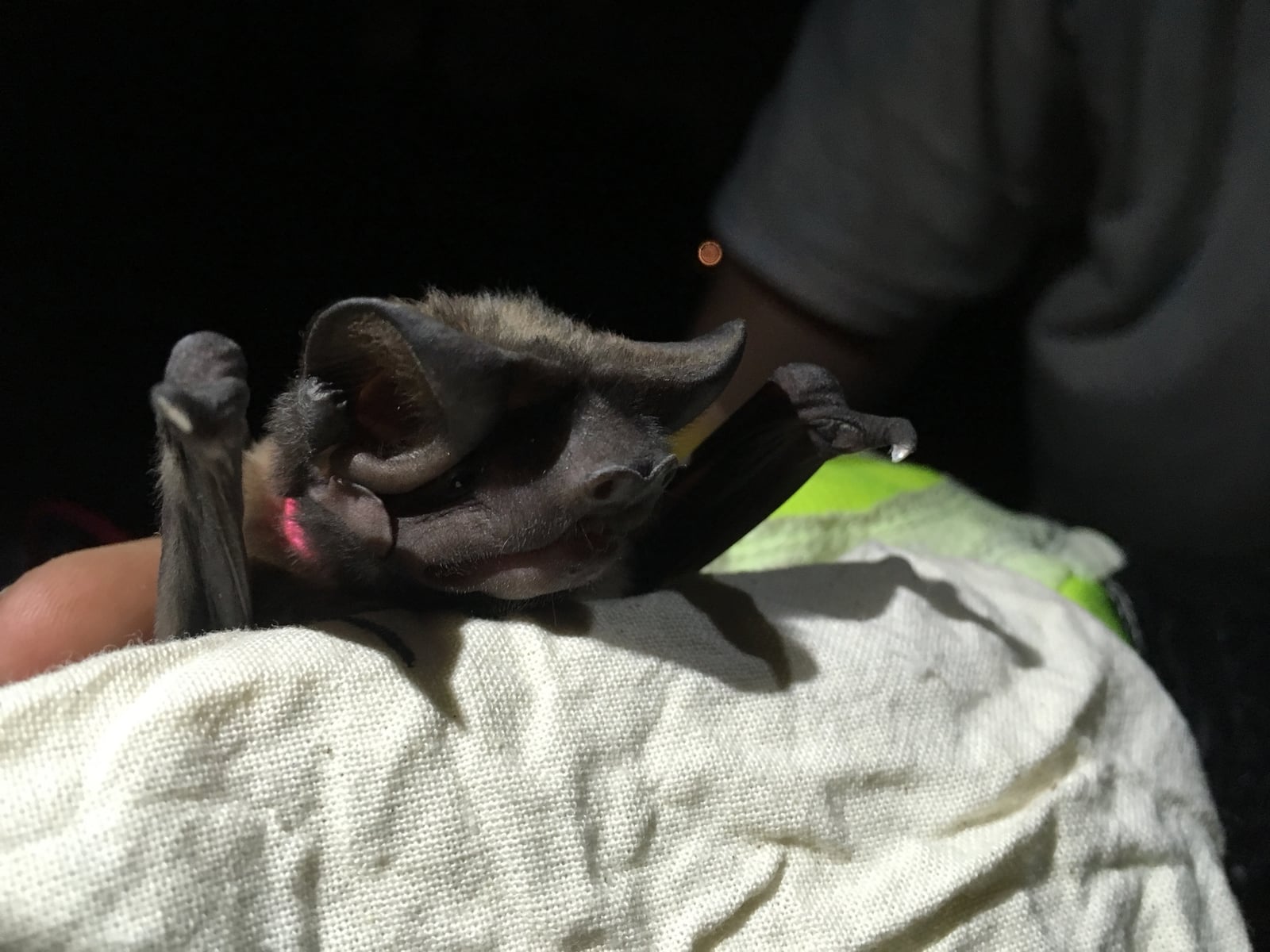
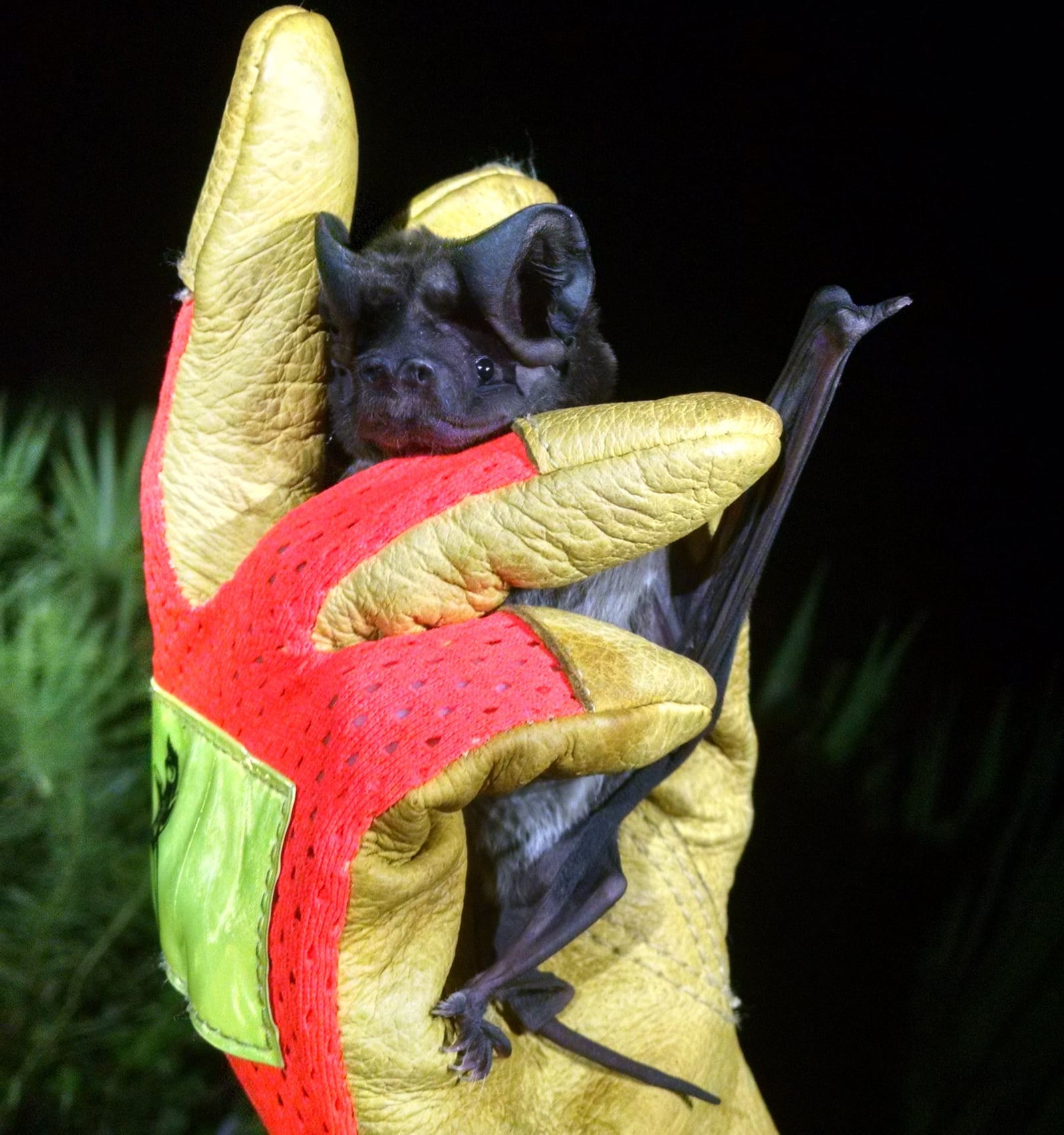
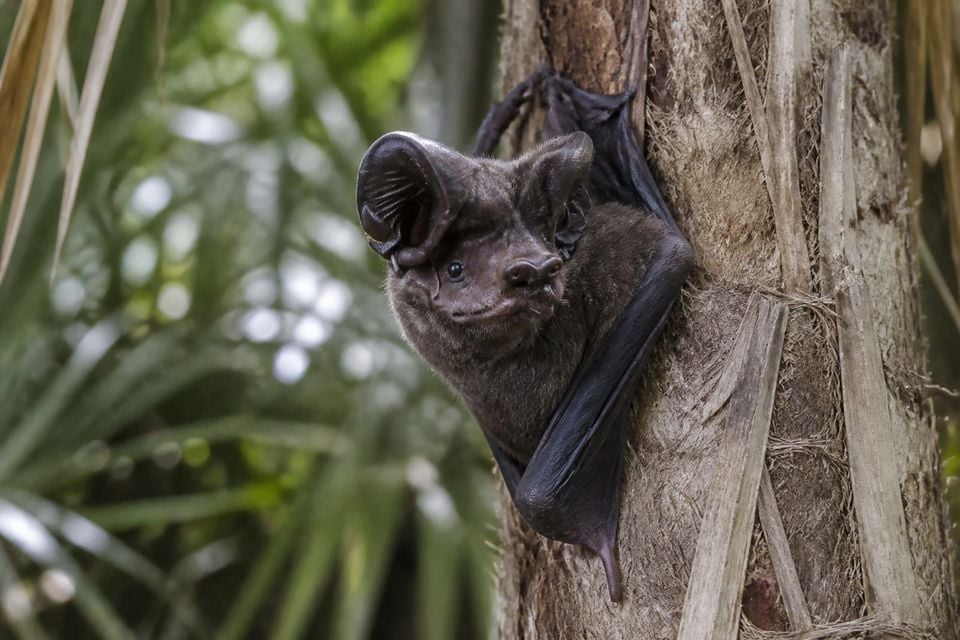
Florida Bonneted Bat in Florida

Eumops floridanus

Native to Florida S1 Critically Imperiled in Florida

Not listed as nonindigenous in Florida by USGS NAS; native to its Florida range.

IUCN Red List status

  1. LC
  2. NT
  3. VU
  4. EN
  5. CR
  6. EW
  7. EX

VU – Vulnerable

High risk of extinction in the wild.

Florida Bonneted Bat in Florida, by the numbers

Occasional in Florida 53rd most recorded of 116 mammals logged in Florida

134 occurrence records
62 with iNaturalist photos
Jul 4, 2026 Last seen in Florida

134 total records count every Florida occurrence from GBIF and iNaturalist; the monthly chart covers the 120 records with a full observation date.

When to look for the Florida Bonneted Bat in Florida

Most sightings fall in February to April.

120 Florida occurrence records (iNaturalist and GBIF) by month of year. Shows when the species is recorded, not a guarantee of presence.

Monthly Florida records (table)
MonthRecords
January9
February12
March12
April19
May10
June16
July17
August8
September3
October2
November3
December9

Monthly florida bonneted bat occurrence records (iNaturalist and GBIF) in Florida.

Seasonality

Year-round in Florida, with recorded sightings peaking in February–April, with a smaller rise in June–July.

Occurrence map

Where Florida Bonneted Bat has been recorded in Florida

134 records mapped · zoom and drag to explore

134 Florida records mapped

Where it's recorded in Florida

CountyRecords
Miami-Dade County 94
Polk County 12
Indian River County 8
Collier County 6
Charlotte County 5
Lee County 2
Broward County 1
Monroe County 1
Other localities 5

The complete county distribution, spread across 8 Florida counties. Every occurrence record falls in one county, so these sum to the total. Counties from GBIF and US Census boundaries.

The Florida bonneted bat lives nowhere outside Florida, and its S1 statewide rank marks it critically imperiled here and globally (G1). Of its 134 documented records, only Big Cypress National Preserve turns up as a named site, and even that entry carries just a single record, a sign of how thin the state’s documentation still is for a bat that isn’t easy to survey.

Monthly reports rise to their highest point in April, with July and June close behind as the next-busiest months. That April peak likely reflects when the species is easiest to detect by call or capture, not a true seasonal population shift.

Occurrence data from iNaturalist and GBIF.

More mammals in Florida in the atlas

Data & sources

The data and visualizations on this page draw on these open sources:

  • GBIFCC-BY 4.0occurrence records behind the range map, elevation, and record counts
  • iNaturalistCC0 / CC-BY / CC-BY-SAobservations, photos, and audio recordings
  • NatureServe ExplorerCC-BYthe state conservation rank
  • IUCN Red Listattributed factthe global conservation status
  • USGS NASpublic domainnative / introduced status
  • Natural Earthpublic domainthe relief basemap



