
Florida Bonneted Bat

Eumops floridanus

VUVulnerable

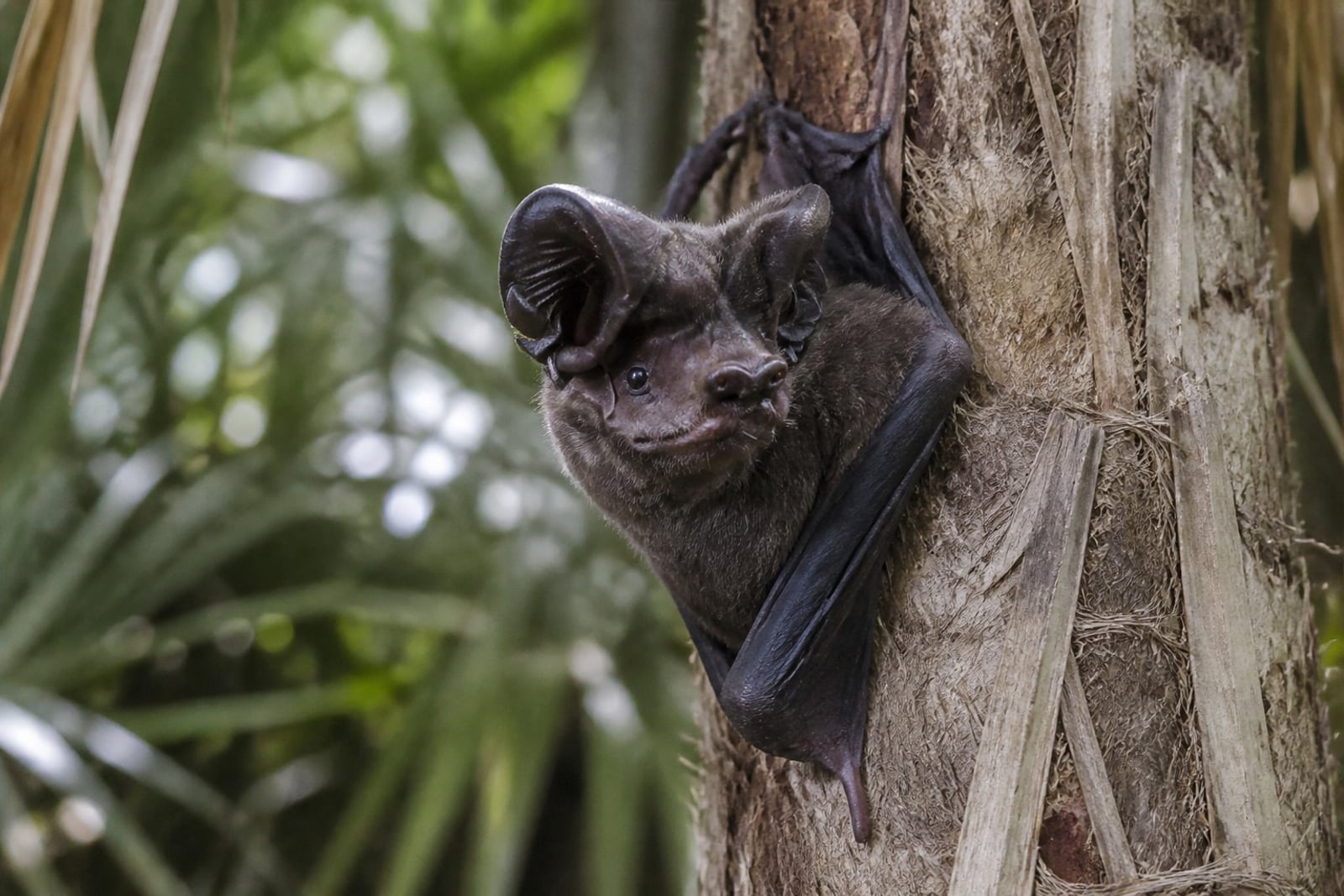
The Florida bonneted bat is Florida's largest bat and is found nowhere else. Its broad ears meet over the forehead, creating the bonnet-like shape behind its name. After dusk it flies high and fast over wetlands, forests, farms, and city edges while hunting insects. A small range, limited roost knowledge, storms, development, and pesticide exposure make every dependable colony and feeding area important.

US Range
Explore by state

Florida Bonneted Bat across 1 state

Occurrence records, conservation status, and the places it turns up, state by state. Open a state for detail, or visit its full page.

  • FloridaNativeOccasional134 records

    State rankCritically Imperiled

    Countiesrecorded in 8

    Year-round in Florida, with recorded sightings peaking in February–April, with a smaller rise in June–July.

IUCN Red List status

  1. LC
  2. NT
  3. VU
  4. EN
  5. CR
  6. EW
  7. EX

VU – Vulnerable

High risk of extinction in the wild.

Elevation

From 134 georeferenced records, the Florida Bonneted Bat is recorded from sea levelsea level to 40 m131 ft, with half of sightings below 10 m33 ft.

Each band shows the share of georeferenced sightings that fall within it. Records cluster where people live and hike, so low, populated elevations are over-represented. Read this as observation density, not true abundance.

Observation peakAugust26 recordsBased on a small number of dated records; the seasonal pattern may not be representative.

Seasonality from research-grade observation dates across the US (26 records, all years). Reflects when the species is recorded, not a guarantee of presence.

Best encounter

Where and when to see a Florida Bonneted Bat

Your best chance: Florida, in August.

Where
FloridaFL
When
August

Commonly confused with

Animals people sometimes mistake for the florida bonneted bat, and how to tell them apart.

The ears make the bonnet

Large rounded ears join at the center of the forehead and provide the clearest visual clue. The coat ranges from dark brown to gray-brown, and the long narrow wings suit fast flight. Its calls are unusually low for a bat and can sometimes be heard by people. Even then, a detector gives stronger identification.
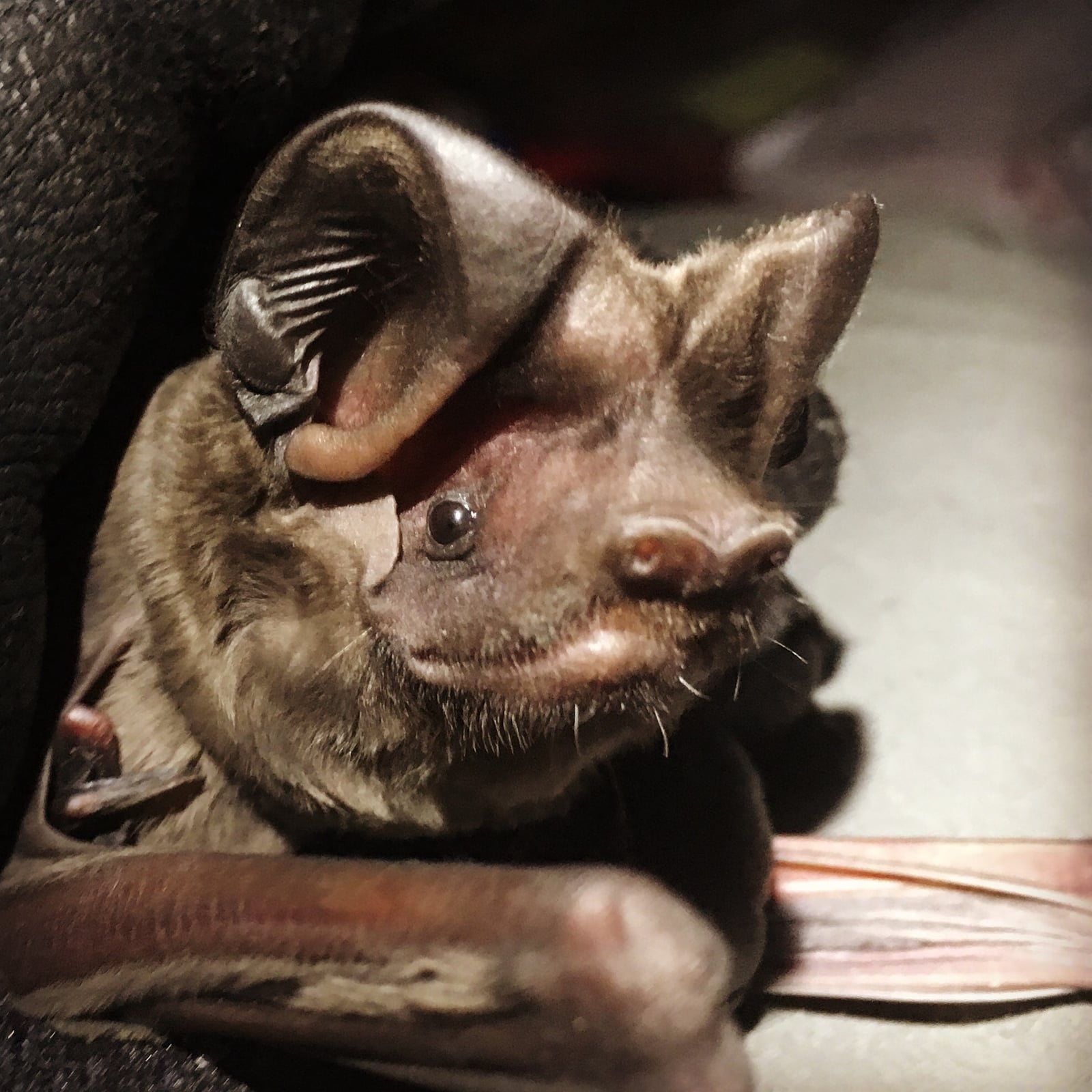
Florida bonneted bat face close-up showing its large, forward-curled ears joined at the base
The joined, forward-curled ears are the species’ clearest field mark. Photo: Shalana Gray, CC BY 4.0.

High flight over South Florida

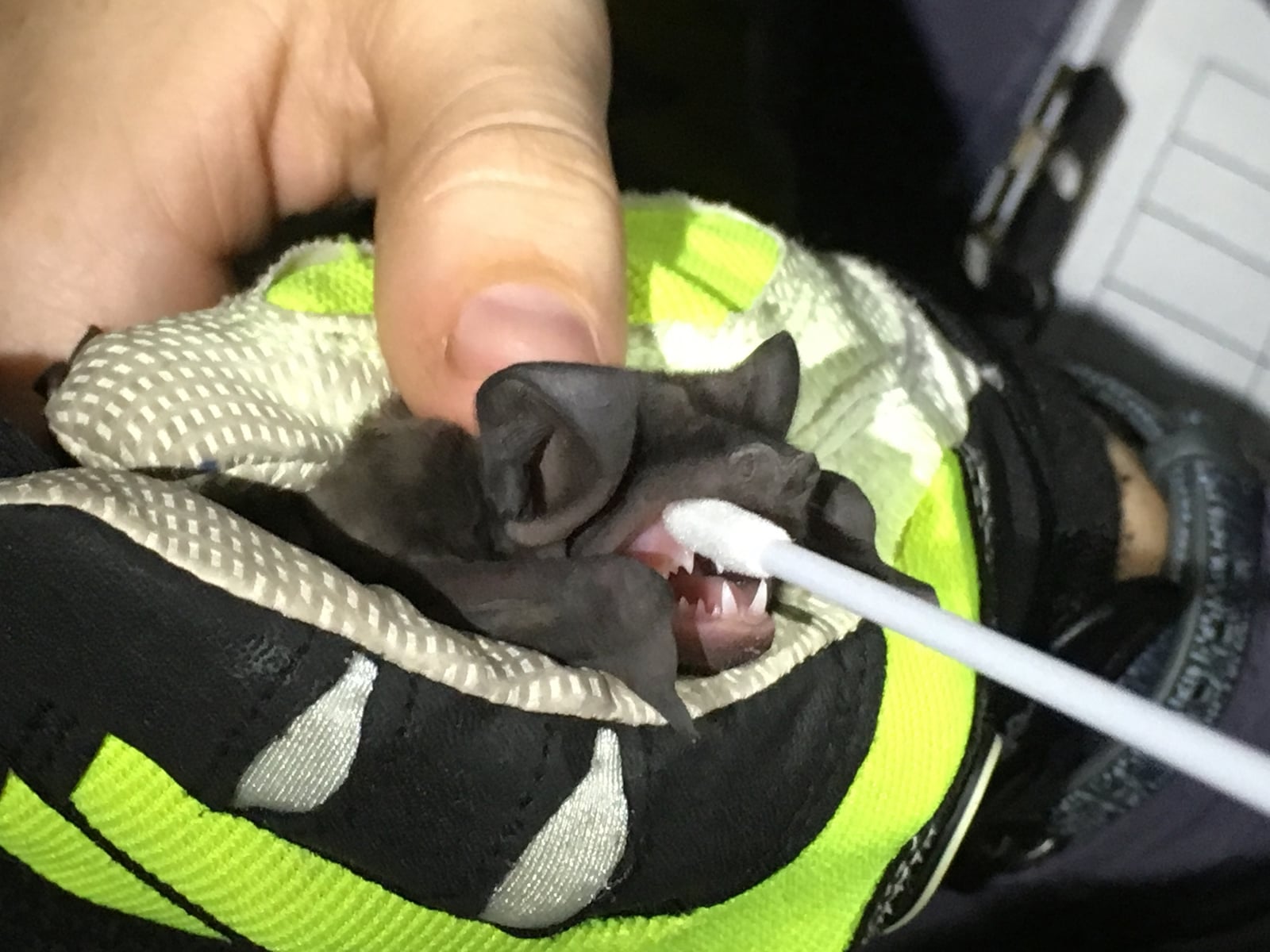
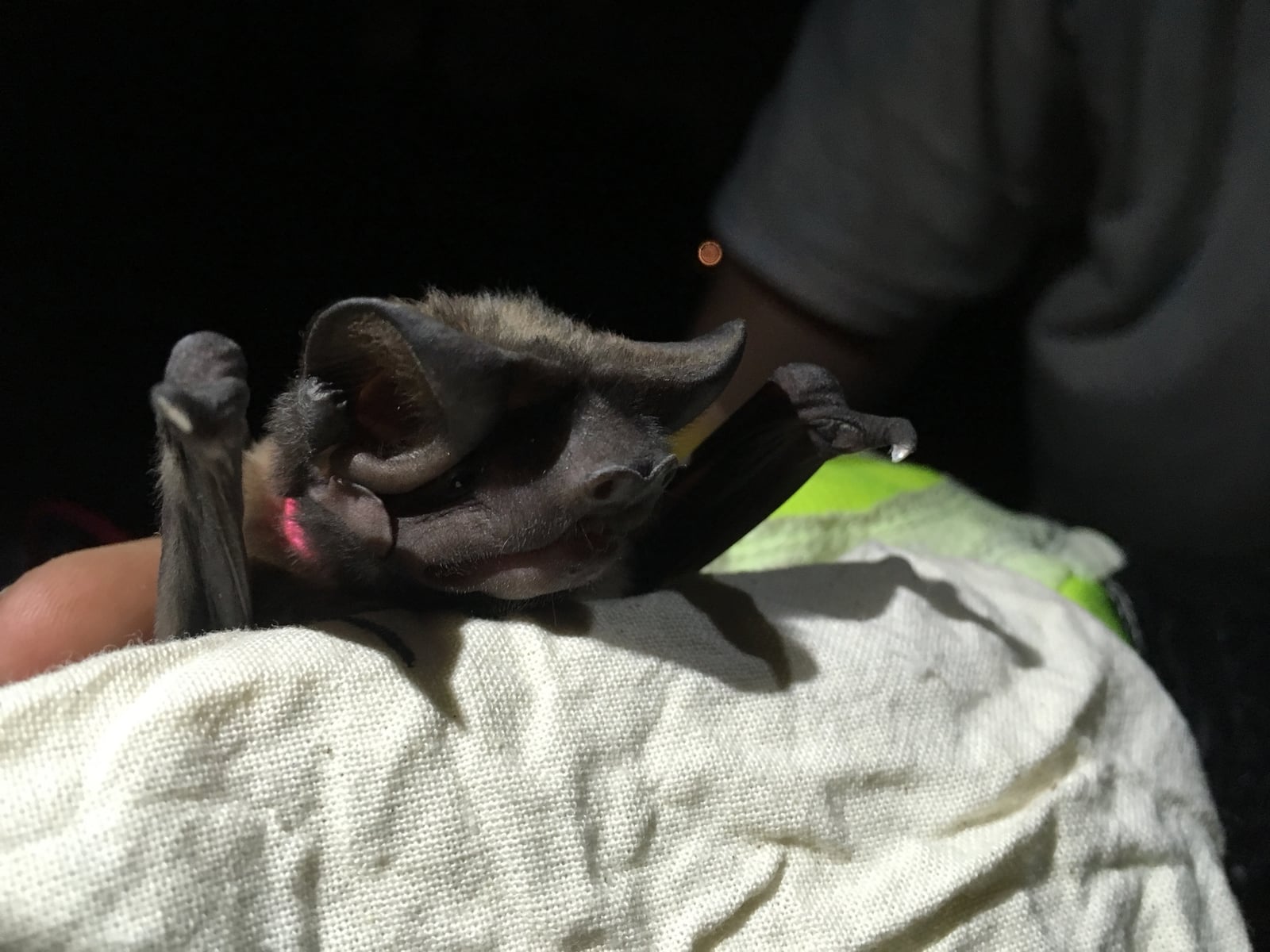
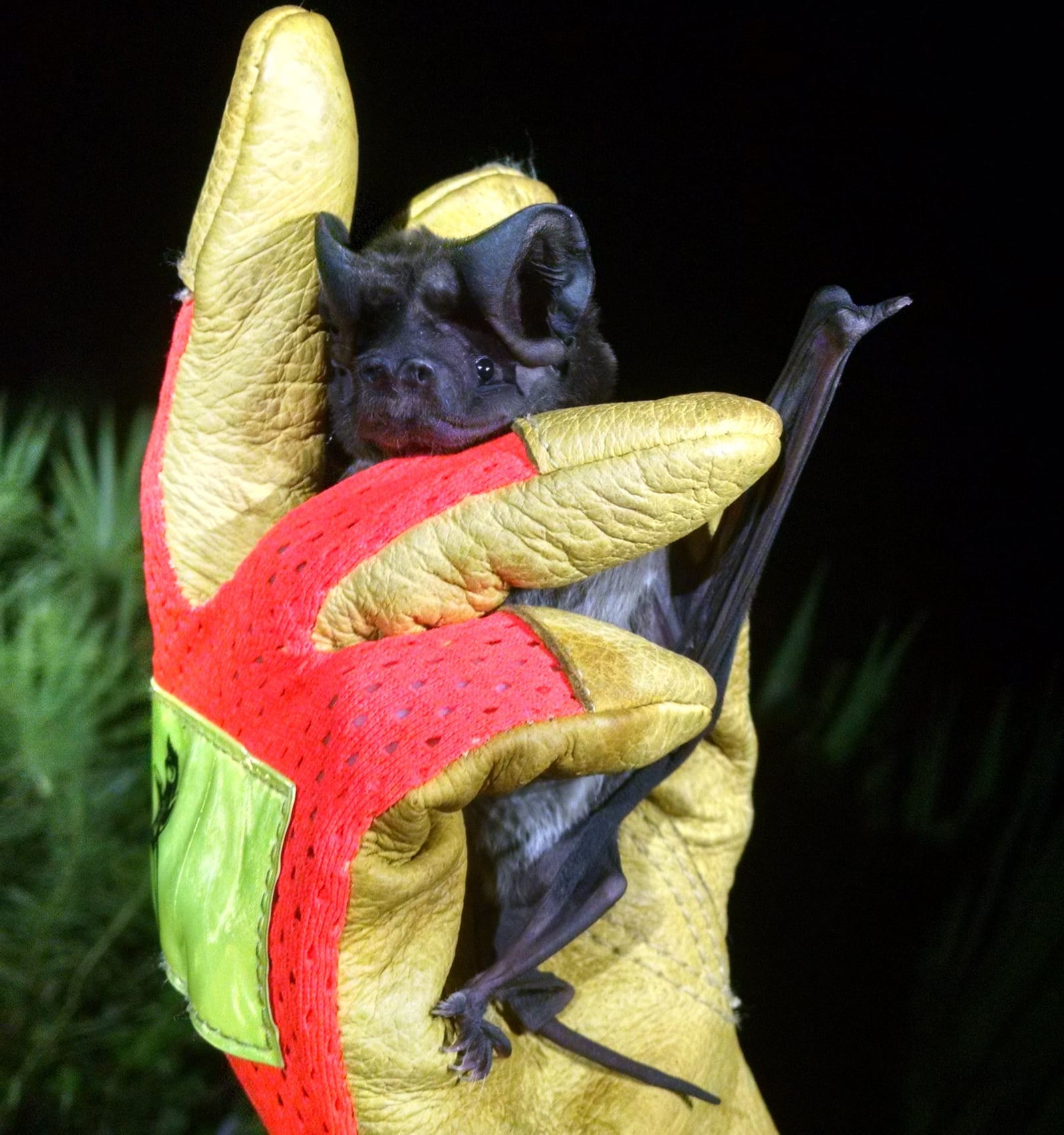
The bat hunts moths, beetles, and other flying insects over open areas and tree cover. It roosts in tree cavities, buildings, and bat houses, though many natural roosts remain unknown. Animals may leave roosts well after sunset and travel across mixed landscapes. Water, feeding space, and secure shelter all matter.
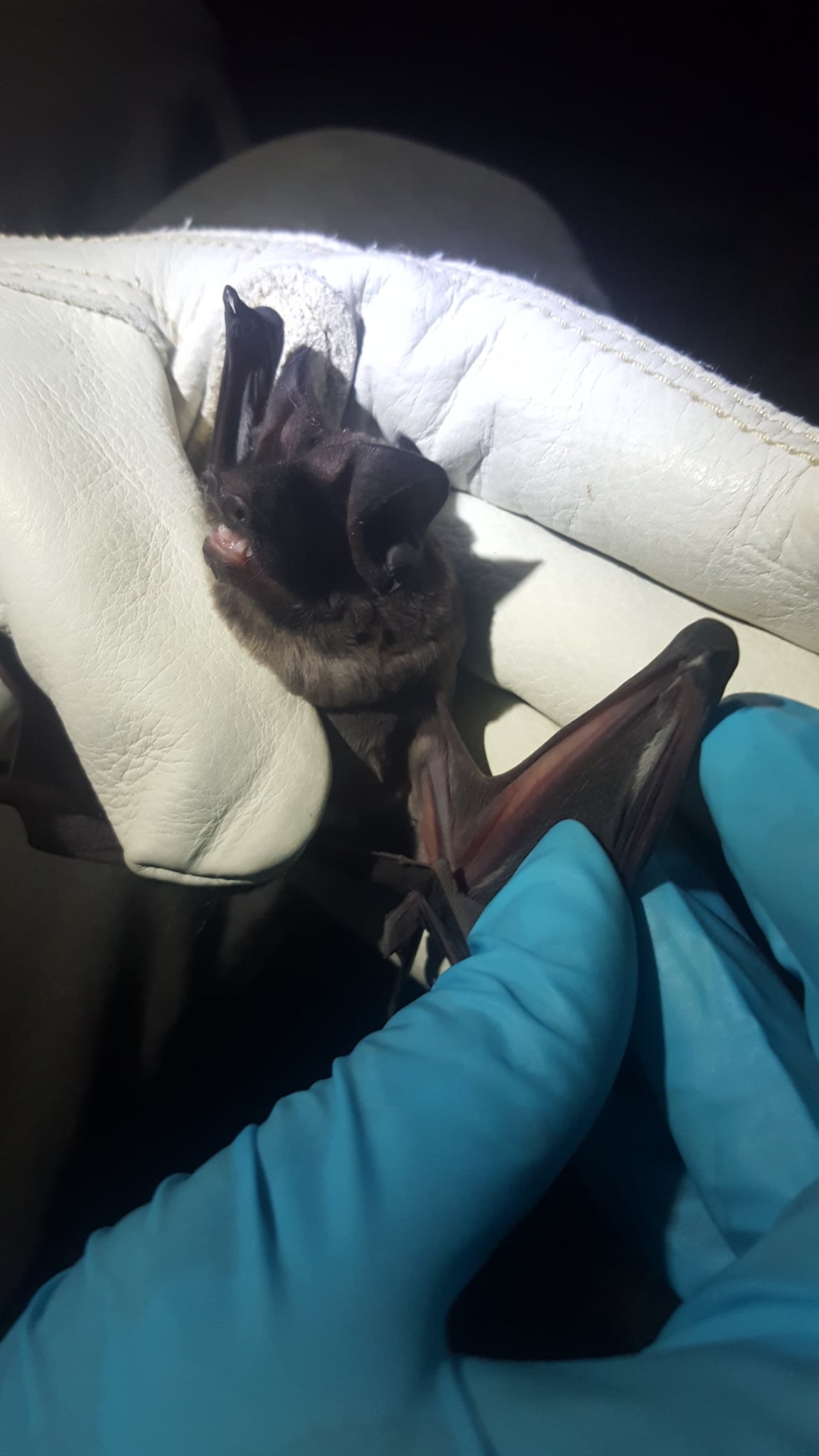
Florida bonneted bat clinging to a researcher's glove during a nighttime capture survey
A bat briefly handled during a roost survey before release. Photo: Court Harding, CC BY 4.0.

A narrow range under pressure

This species is endemic, meaning found nowhere else, to southern Florida. Hurricanes can destroy roost trees, while development removes or isolates habitat. Pesticides may reduce insect prey or expose bats directly. Recorded encounters help locate activity, but they don’t establish abundance or prove that an apparent gap lacks bats.


Data & sources

The data and visualizations on this page draw on these open sources:

  • GBIFCC-BY 4.0occurrence records behind the range map, elevation, and record counts
  • iNaturalistCC0 / CC-BY / CC-BY-SAobservations, photos, and audio recordings
  • PhyloPicCC0 / CC-BY per itemthe to-scale silhouettesAndrew A. Farke (human silhouette, CC-BY 3.0)
  • IUCN Red Listattributed factthe global conservation status


