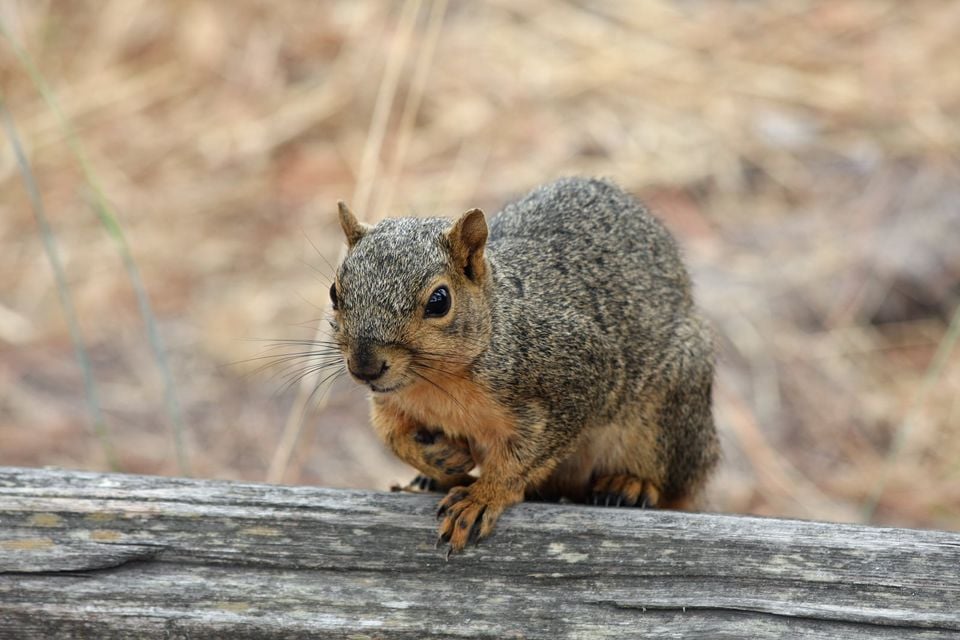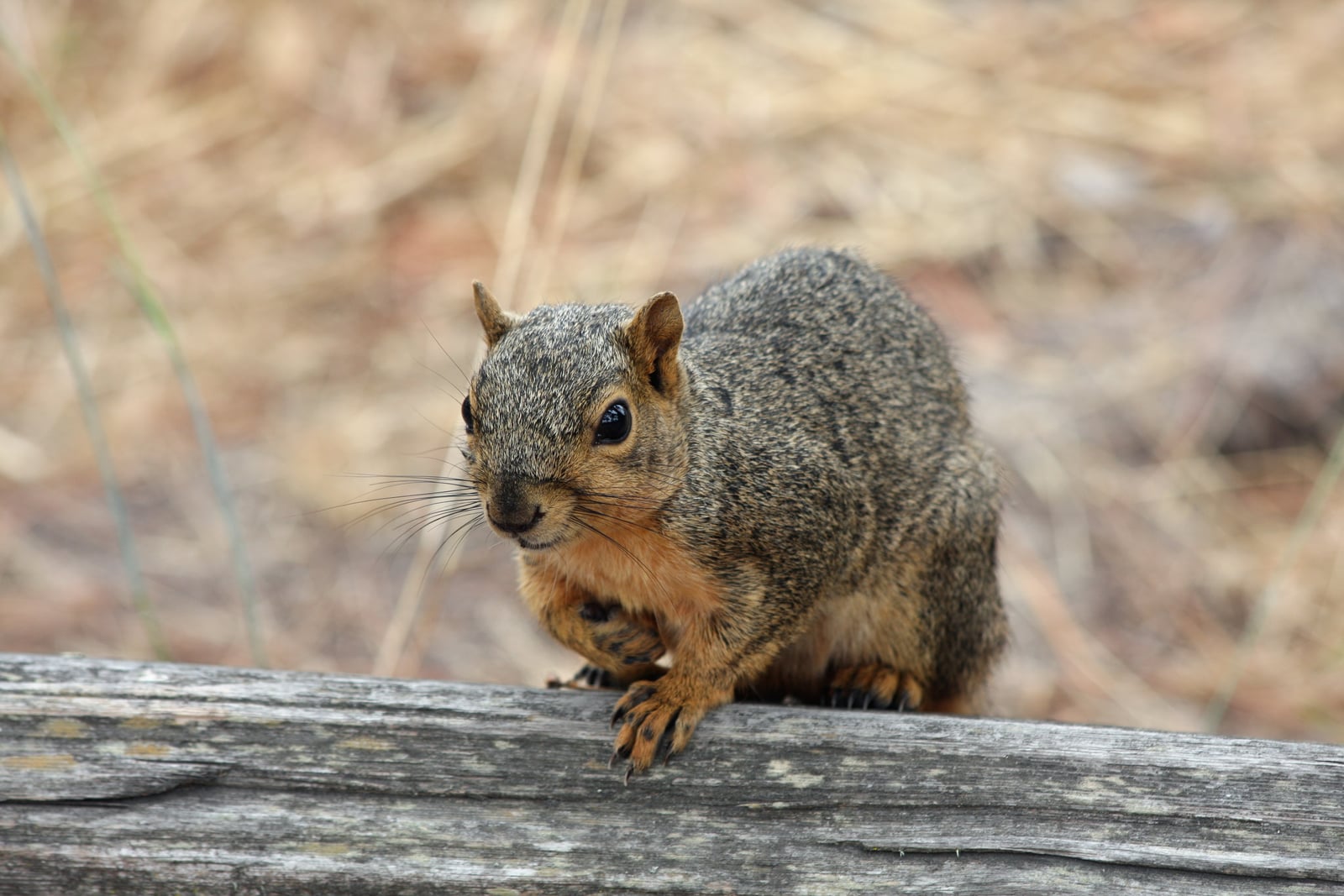
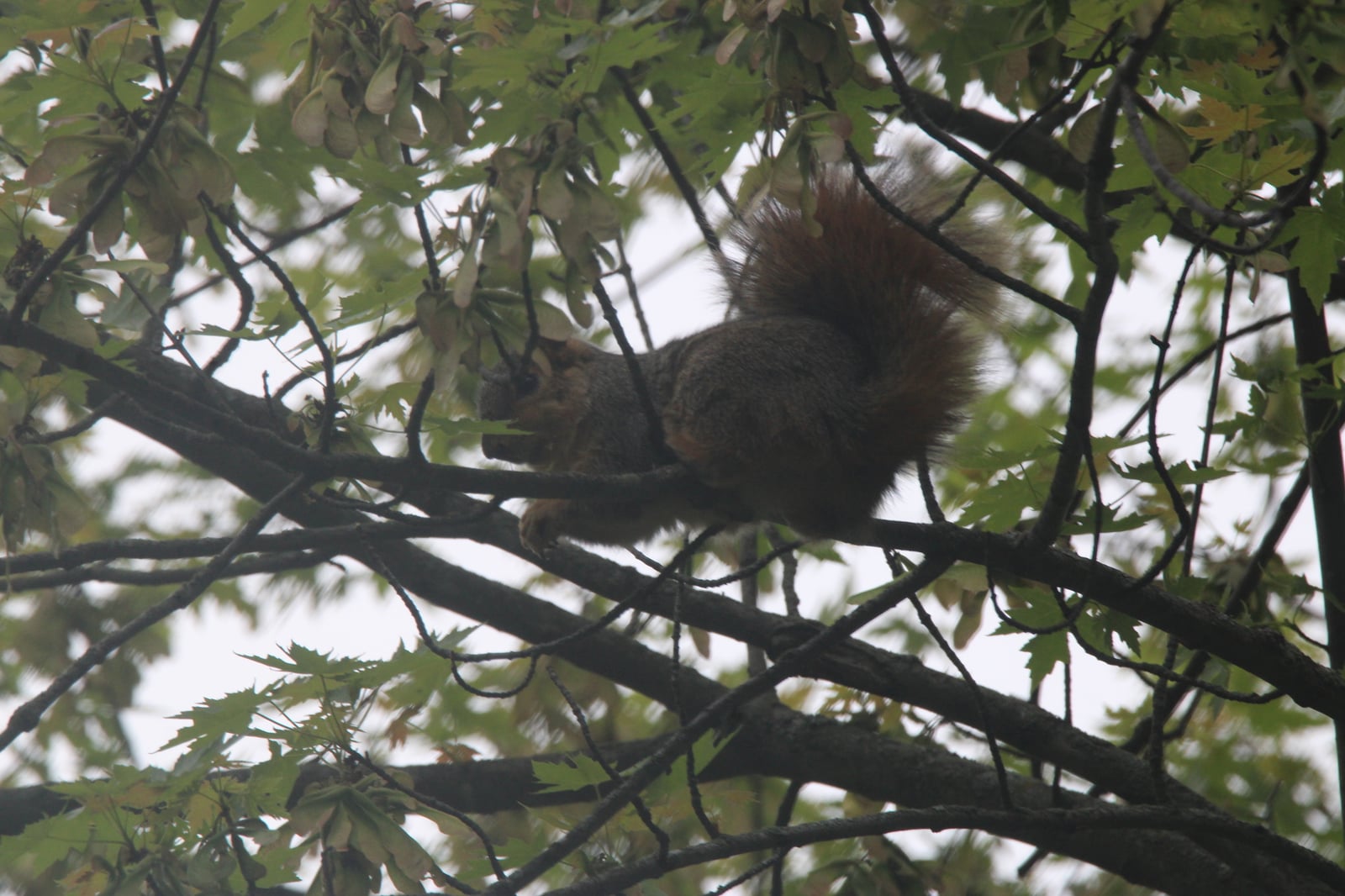
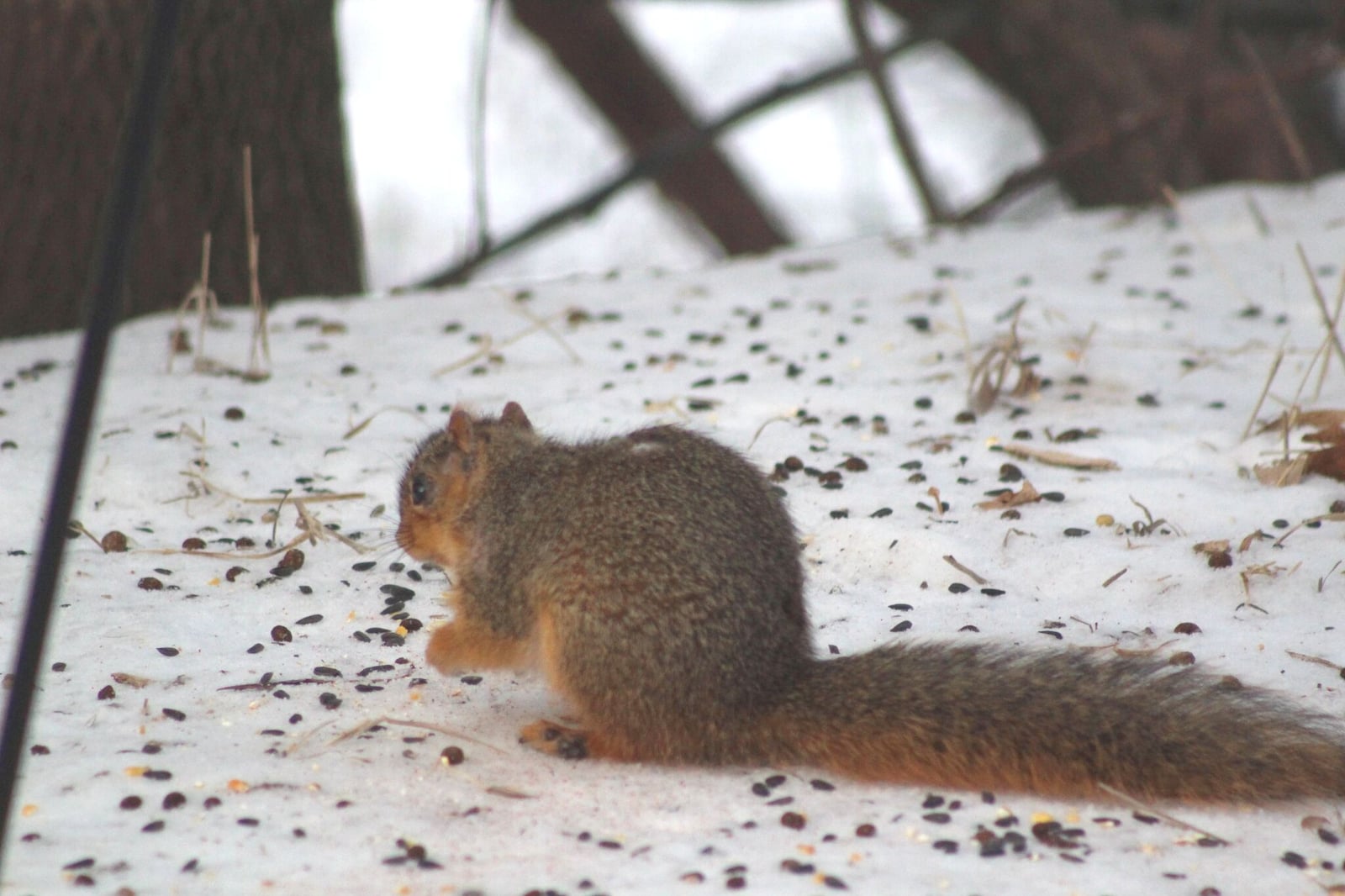
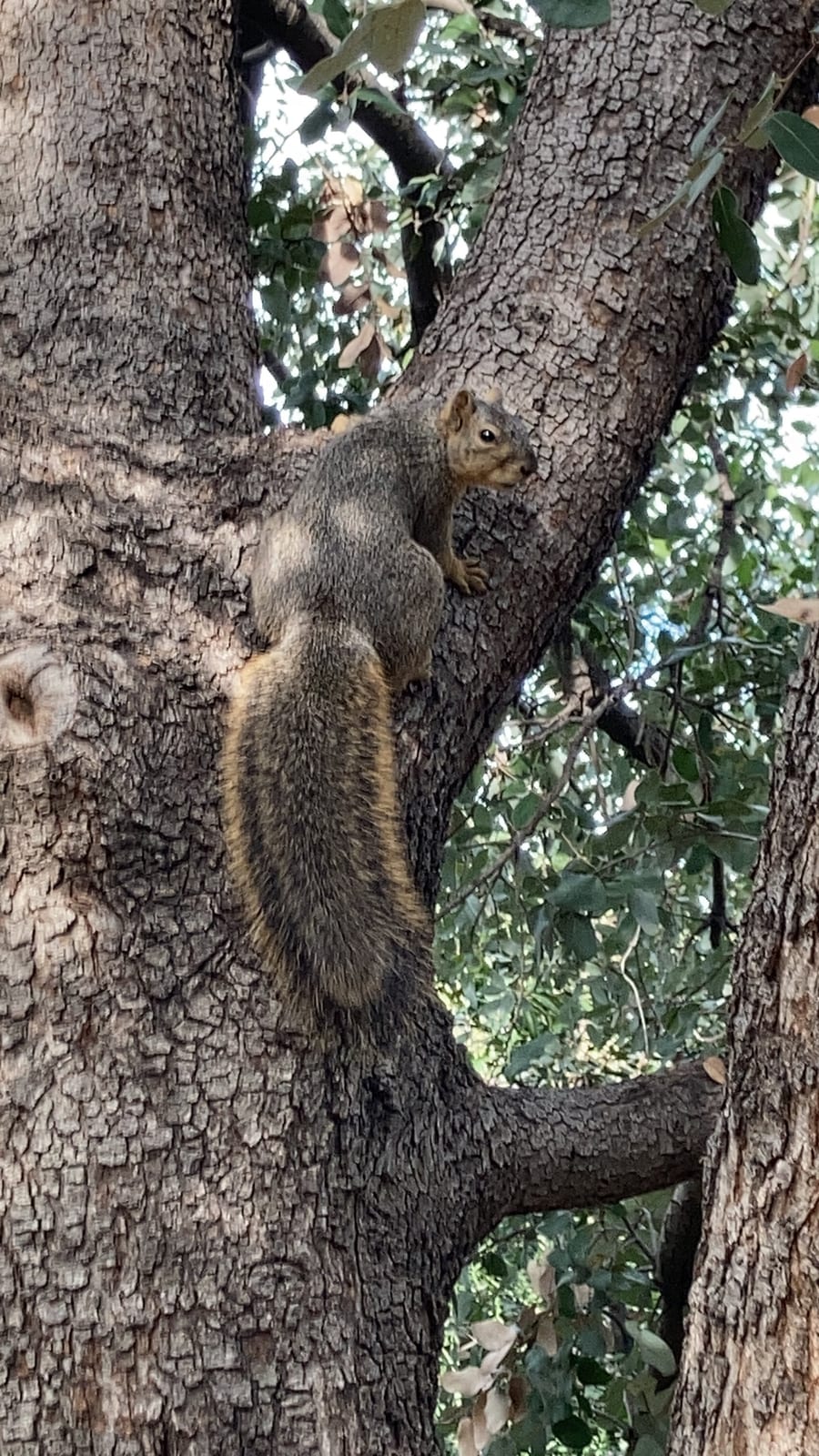
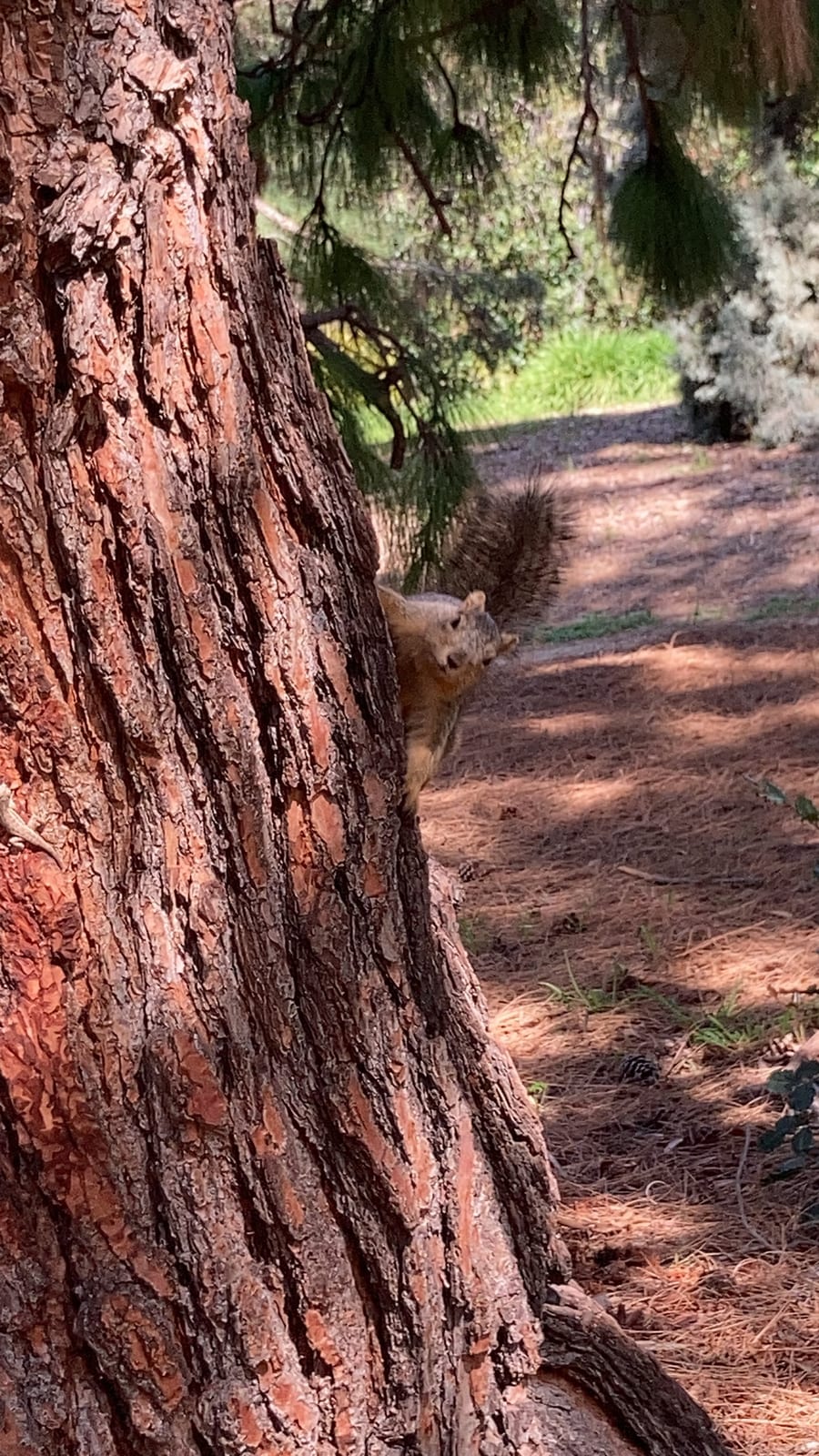
Nevada records for the fox squirrel are anchored by Ruby Mountains and Ruby Lake National Wildlife Refuge. They show where people have reported it, not how many animals live there.
These sites tie the Nevada record pattern to the state’s long mountain spine. Records from separate ranges matter because Nevada’s high country is broken into isolated peaks. The monthly pattern is fairly spread out rather than confined to one Nevada season. It tracks observer records and shouldn’t be read as a population count.
The file combines 61 research-grade iNaturalist records and 32 GBIF records; with the overlap between them removed, that’s 61 distinct records, which measure documented encounters, not Nevada’s population size. It’s an introduced species in Nevada, outside its native eastern and central range. Nevada doesn’t specifically list it under the state’s conservation framework, and the IUCN lists it as Least Concern.