
A mouse built for carrying, not for show
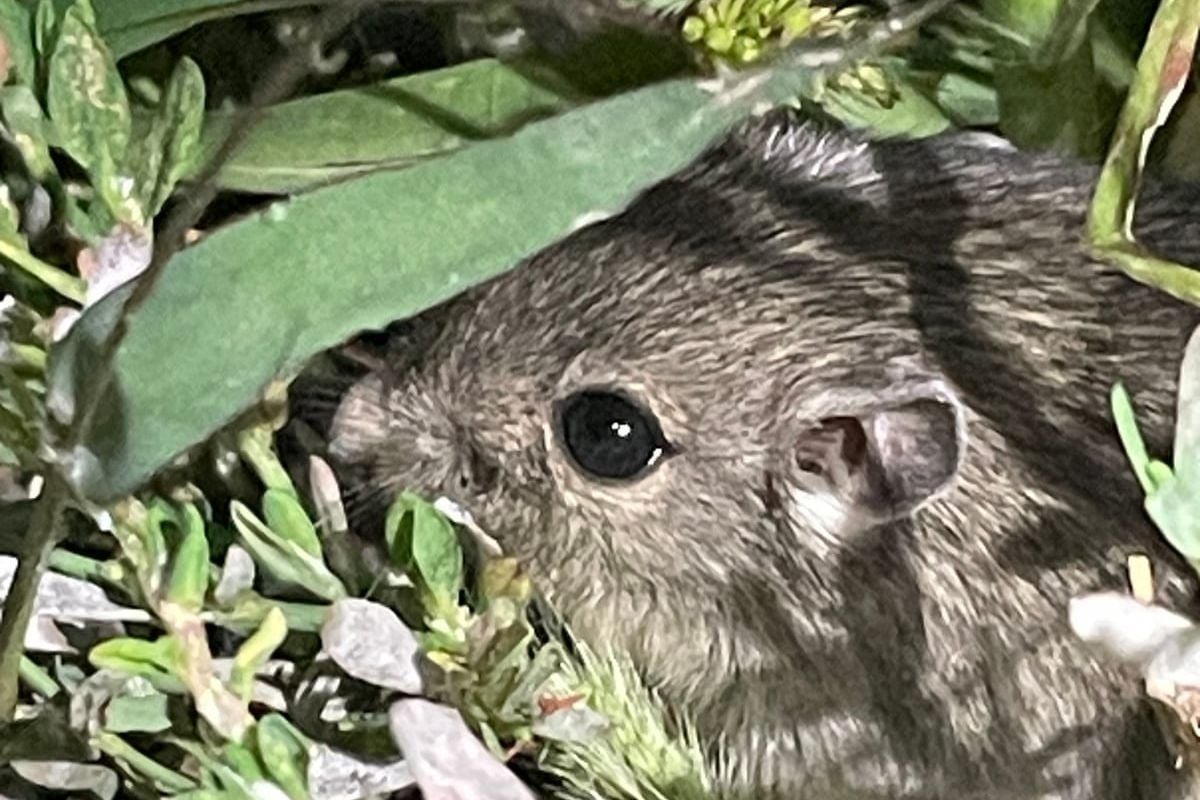
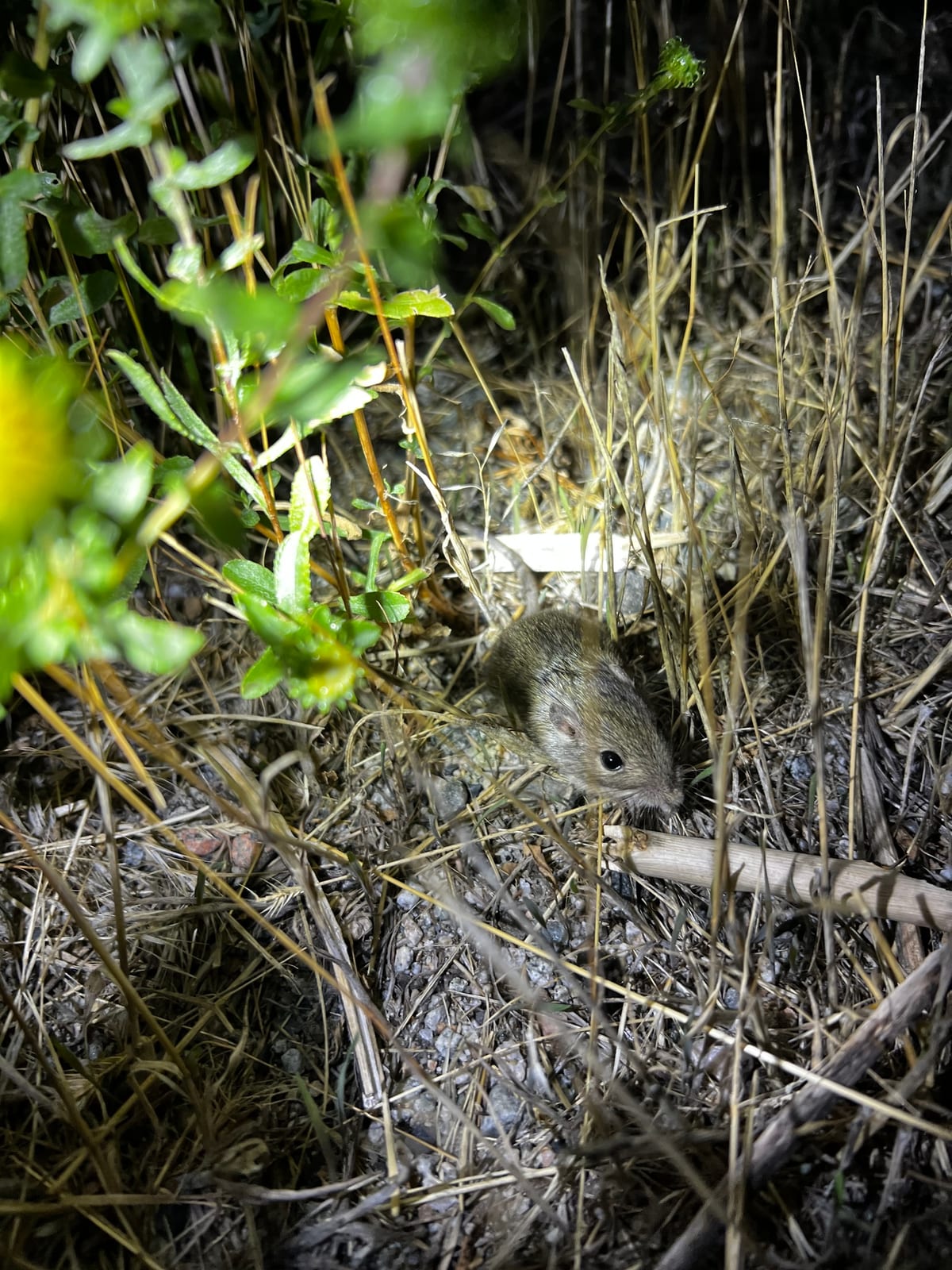
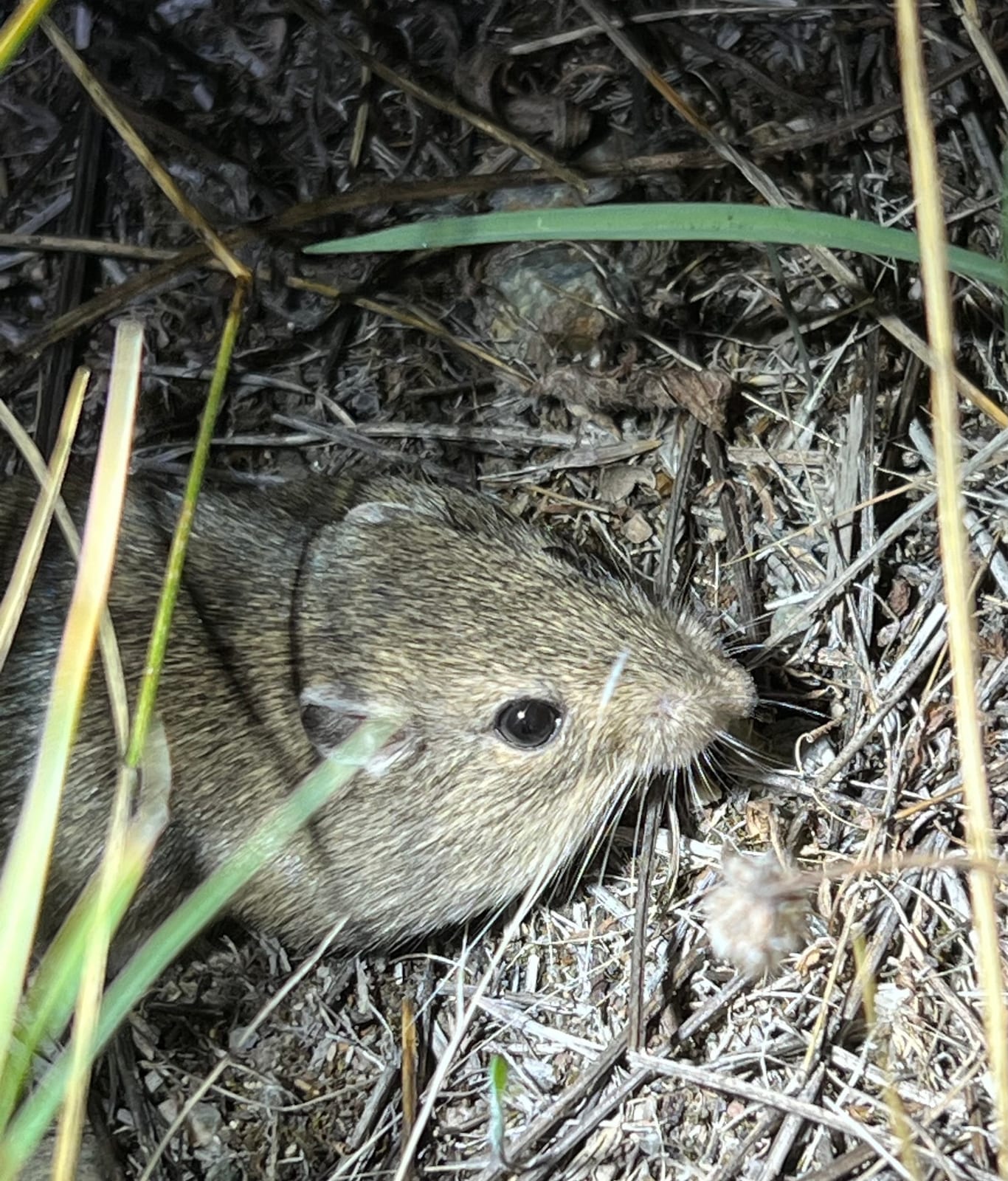
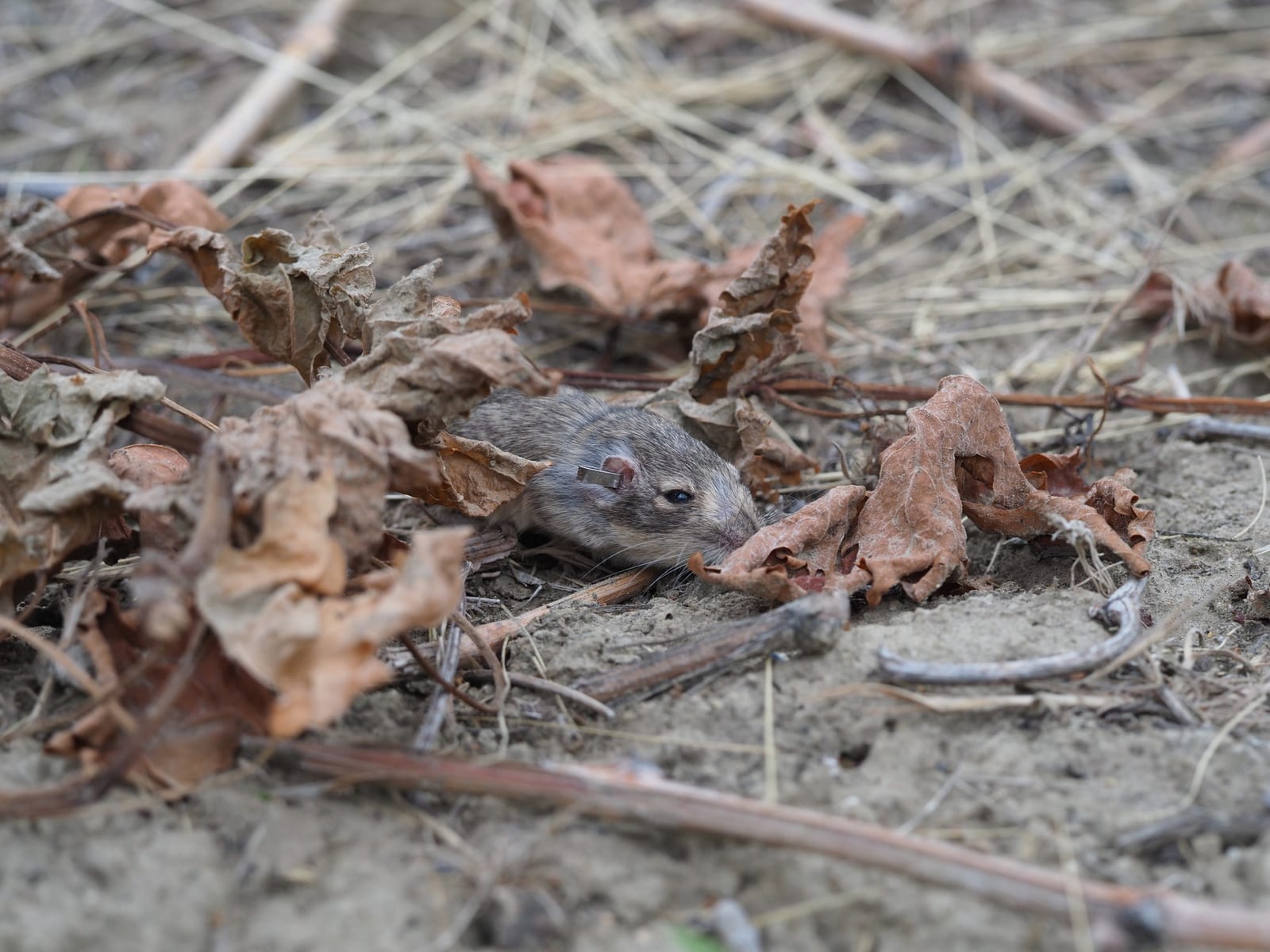
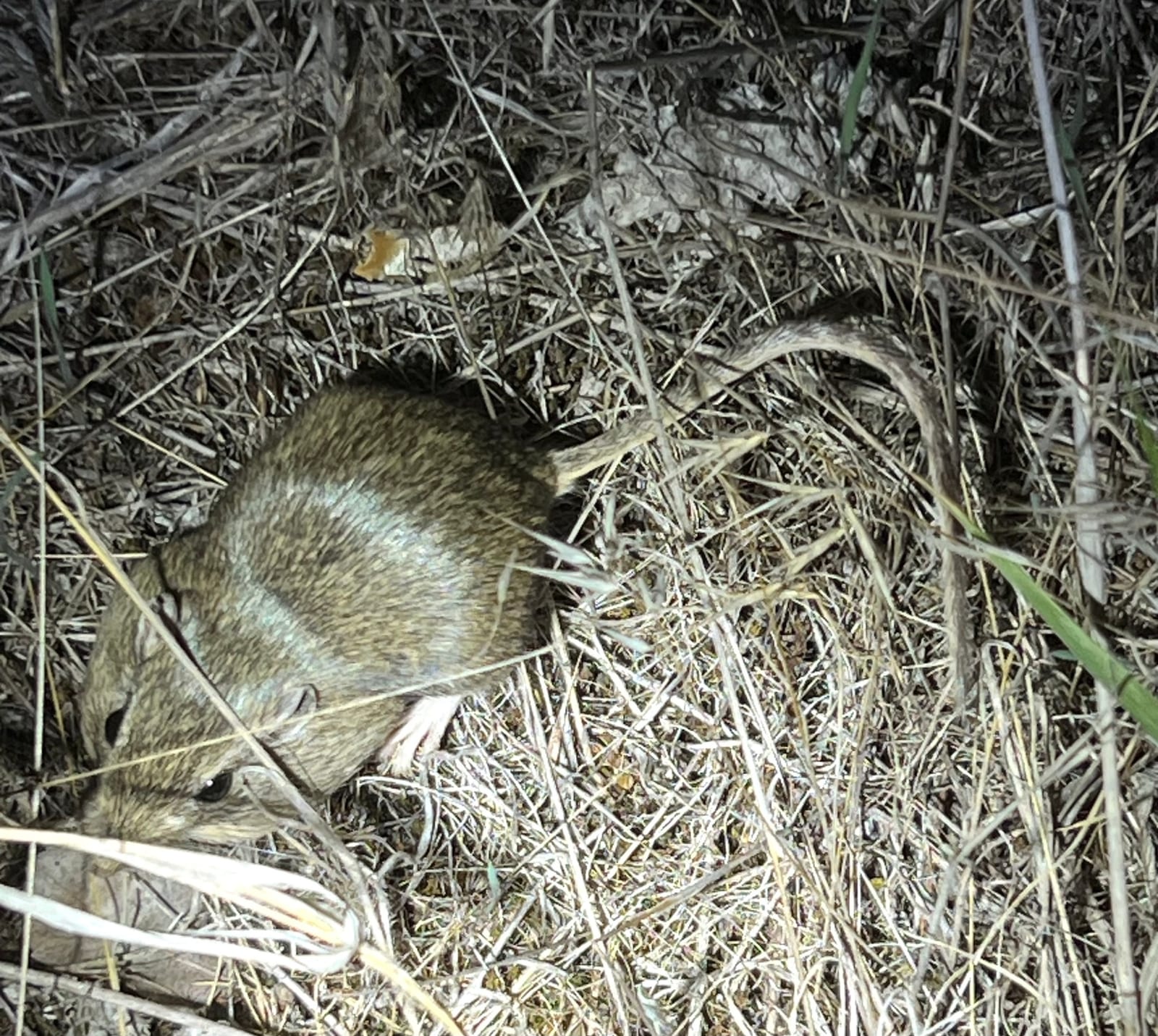
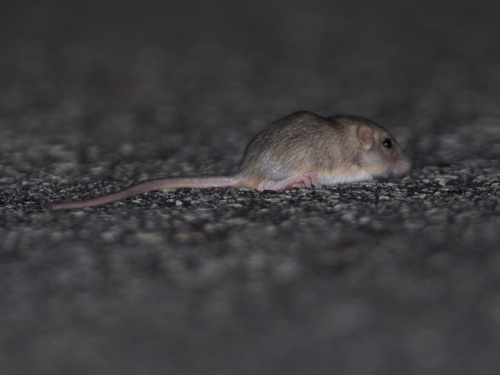
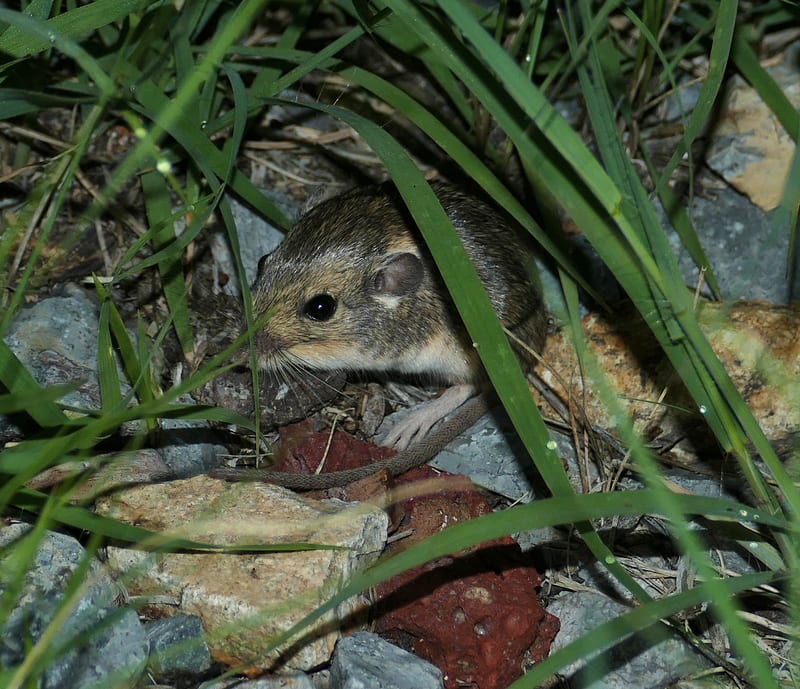
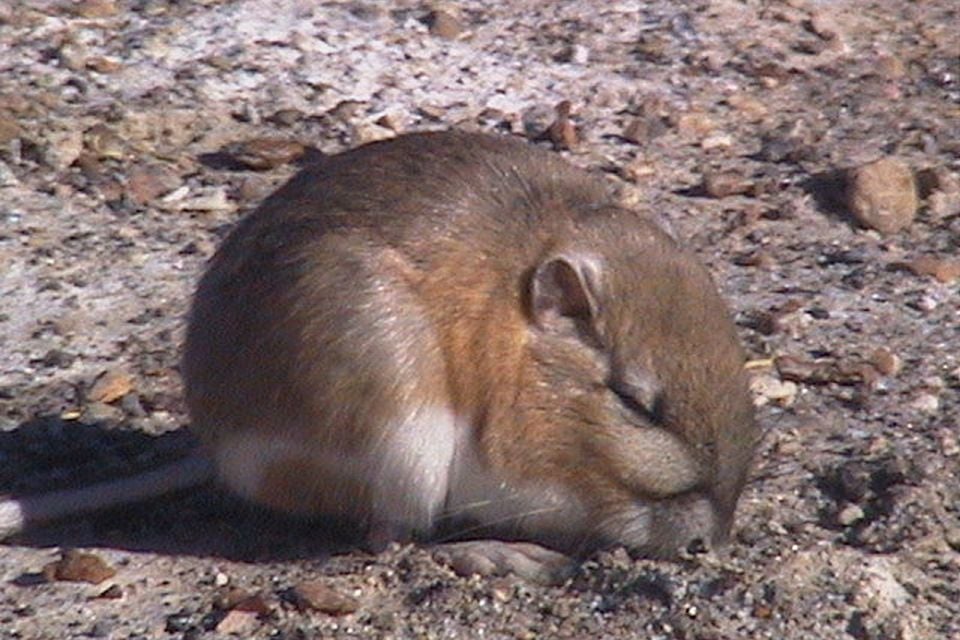
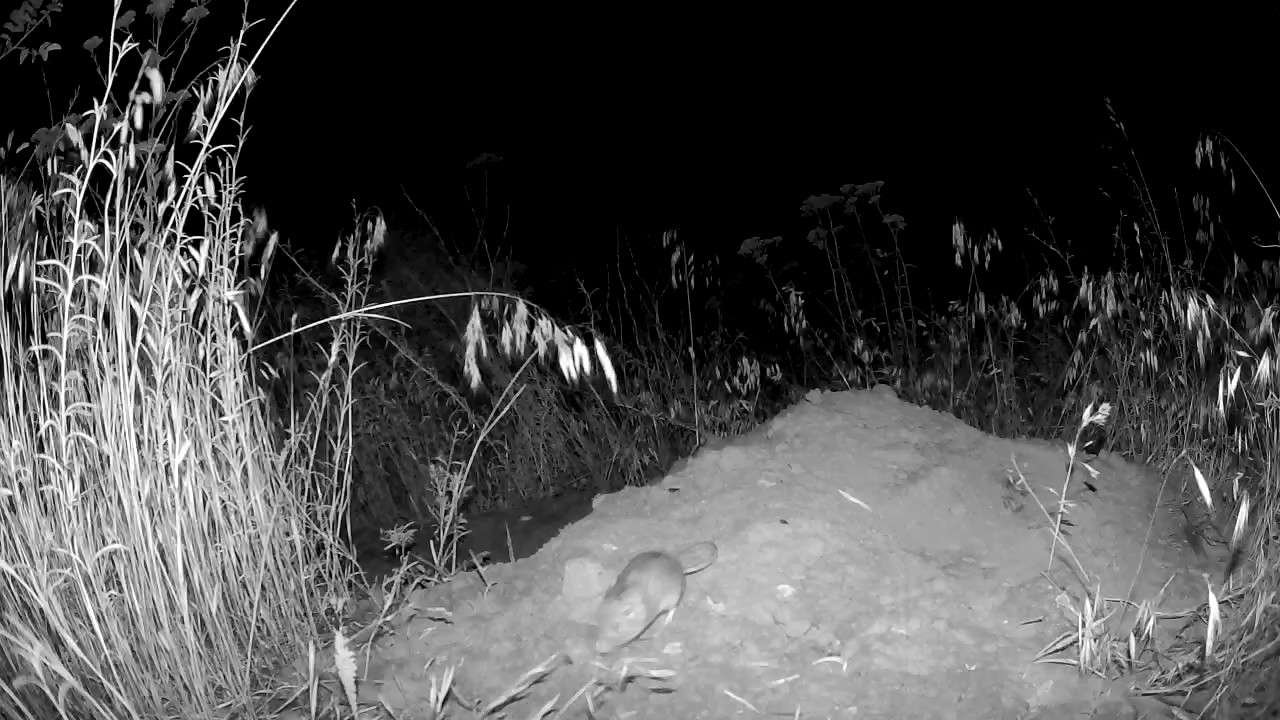
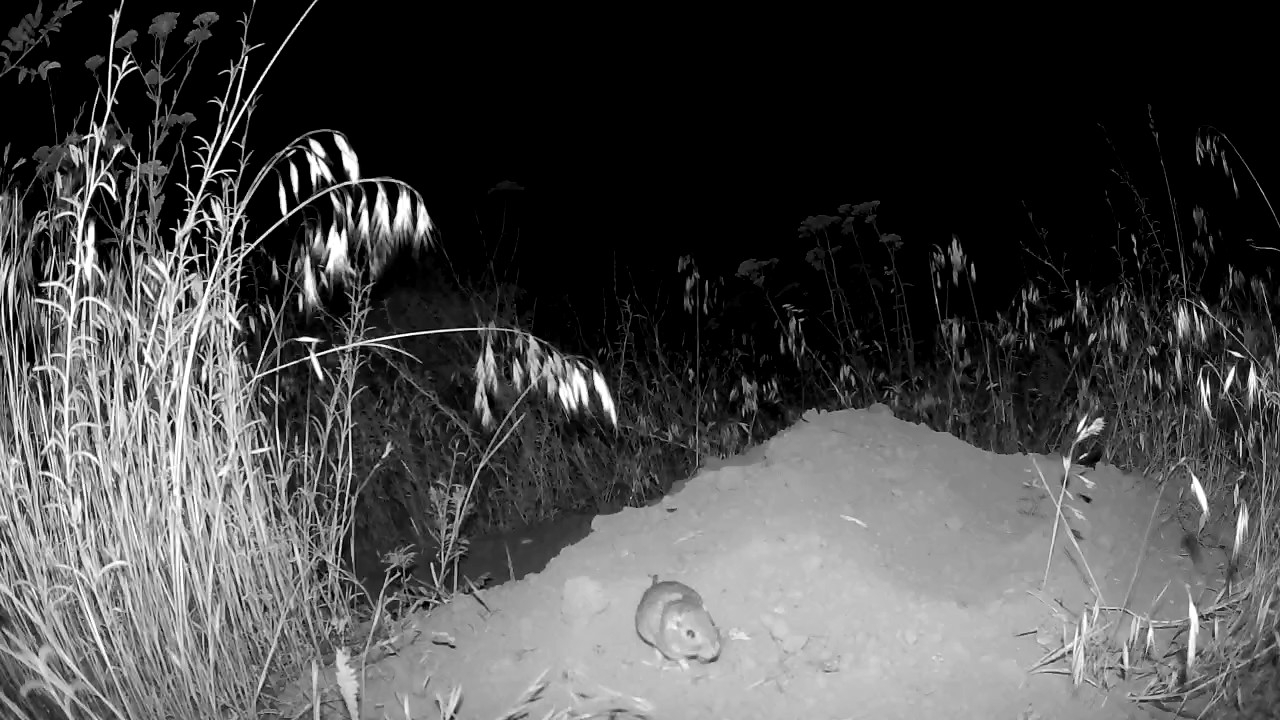
At around 3 inches from nose to rump, a Great Basin pocket mouse would be lost in a coat pocket. It weighs about three-quarters of an ounce. The fur runs pale buff to gray-brown above and white below. Its soft, silky guard hairs contrast with the coarse bristles carried by some desert relatives. The tail is roughly as long as the body and only lightly tufted. Its eyes are proportionally huge for a nose-down forager working by smell and whisker contact after dark.
Several other small heteromyids share its range, and telling them apart takes a careful look. The little pocket mouse is noticeably smaller with a longer, thinner tail, and turns up along the Mojave-Great Basin fringe of California, Nevada, and Utah. The silky pocket mouse runs brighter orange-buff on the flanks with a sharper break against its white belly. A more dramatic case of mistaken identity is the chisel-toothed kangaroo rat, a fellow Great Basin burrower that shares the same cheek-pouch family trait but moves on oversized hind legs in bipedal hops rather than the pocket mouse’s even, four-footed scamper. Anything hopping on its back legs alone is a kangaroo rat, not a pocket mouse.
Where the sagebrush thins into desert
Location records put this species across the interior West, but the distribution is lopsided. Utah accounts for roughly nine in ten documented sightings. Much smaller groups of reports come from Nevada, Washington, Idaho, Oregon, and California. That pattern lines up with the animal’s real center of gravity in the Great Basin’s shadscale and sagebrush basins. There, the mouse can thrive in habitat that looks nearly empty to a human observer.
Elevation data sharpens the picture further. Records span from valley floors near 500 feet up past 7,500 feet, but the bulk cluster tightly between about 5,200 and 5,900 feet, the characteristic elevation band of Great Basin shrub-steppe rather than either the hottest low desert or the coolest mountain forest. Loose, sandy or gravelly soil matters as much as elevation, since the mouse needs ground it can dig easily for the burrow systems it depends on for both shelter and food storage.
Sealed doors and a long winter sleep
The burrow is the center of this animal’s life, and it treats the entrance like a real door. During the day it plugs the opening with loose soil from the inside, a habit that traps humidity and buffers the burrow against the extreme swings of a desert surface that can bake at midday and freeze at night. That sealed microclimate also protects the mouse’s real safety net: caches of seeds stashed in side chambers, built up over the warm months and drawn down when the surface offers nothing worth eating.
Unlike ground squirrels that vanish for months at a stretch, this pocket mouse practices something closer to intermittent torpor than true hibernation, dropping its body temperature and metabolism for stretches through the cold season and rousing periodically to feed from its stores. The seasonal occurrence records reflect that rhythm almost perfectly: observations climb through spring, peak from May through September, and all but disappear from November through March, exactly the months the animal spends sealed underground living off what it cached.
Seeds make up roughly four-fifths of the diet, drawn mostly from grasses and desert shrubs like shadscale and saltbush, with insects filling out the rest, especially when they’re easy to find in spring. The mouse never needs to drink. Its kidneys concentrate urine so efficiently, and its digestion extracts enough metabolic water from dry seed, that free-standing water is optional rather than required, one of the clearest desert-rodent adaptations in the entire heteromyid family.
A short life measured in litters, not years
Females can start breeding at around 100 days old, and a typical litter runs close to five pups after a brief 24-day pregnancy. In a good year with abundant seed, a female can raise close to two litters, timing them to the spring and summer window when forage is thickest. Turnover is fast and lifespan is short even by rodent standards, with wild individuals rarely making it past five or six years and most living far less. That combination of quick maturity, modest litters, and short lives is typical of small, heavily preyed-upon mammals that persist through sheer numbers rather than longevity.
Food for the desert, not a name anyone knows
Western rattlesnakes, gopher snakes, and burrowing owls all take Great Basin pocket mice as prey, and that list barely scratches the surface of what actually hunts them across their range, since kit foxes, badgers, and a long list of raptors do the same. In an ecosystem as spare as the Great Basin, a granivore this numerous and this widely distributed functions as a kind of biological currency, converting seed energy that would otherwise sit in the soil into the calories that keep desert predators fed.
The IUCN lists the species as Least Concern, and nothing about its population trend raises alarm. It has no formal state or federal protections and no real conflict with people, since it neither raids crops in any meaningful way nor draws attention from anyone besides small-mammal biologists and the occasional owl. That anonymity is itself the point. The Great Basin pocket mouse is exactly the kind of animal an ecosystem quietly depends on: unnoticed by nearly everyone, indispensable to a great many of its neighbors.




