Florida mammals

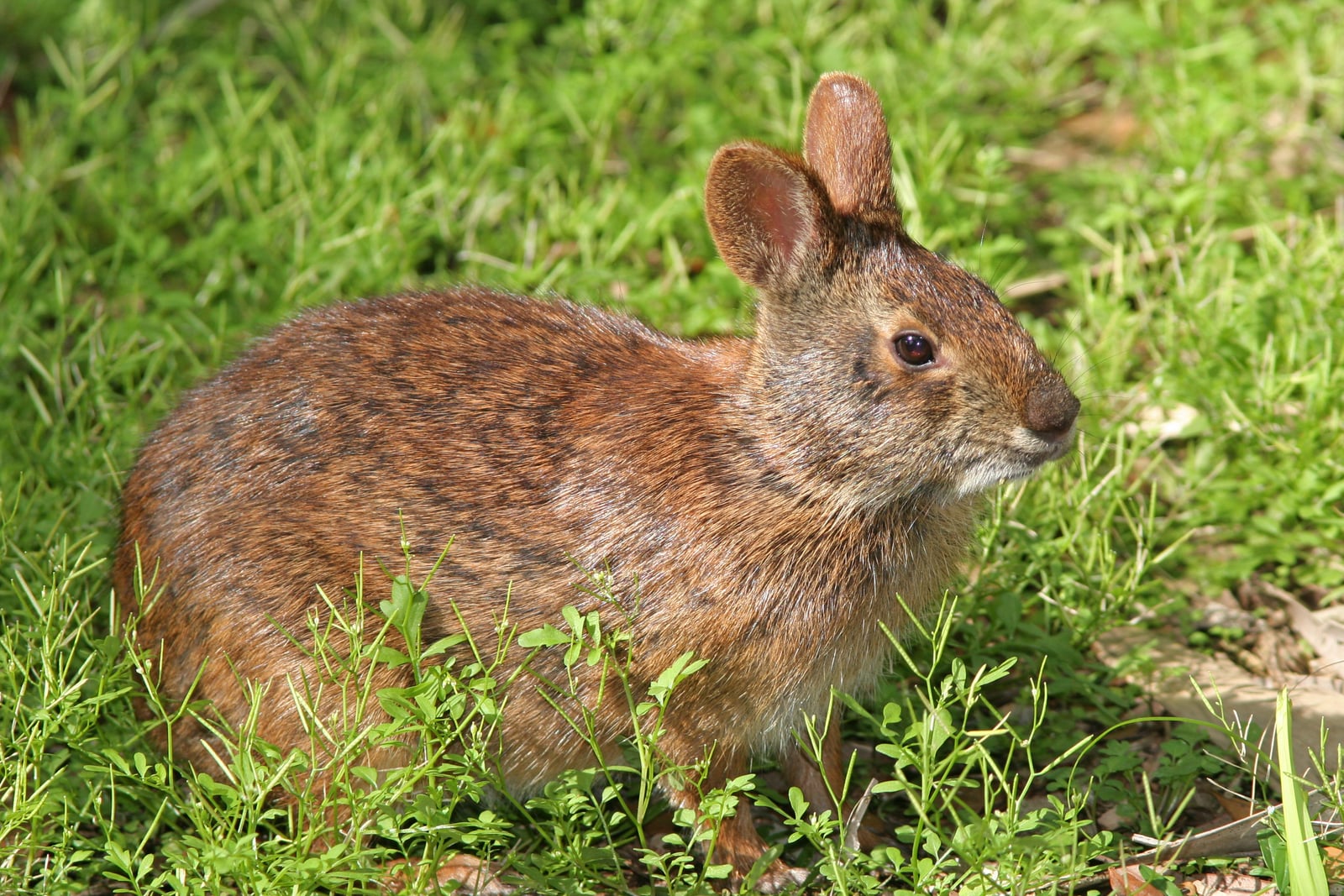
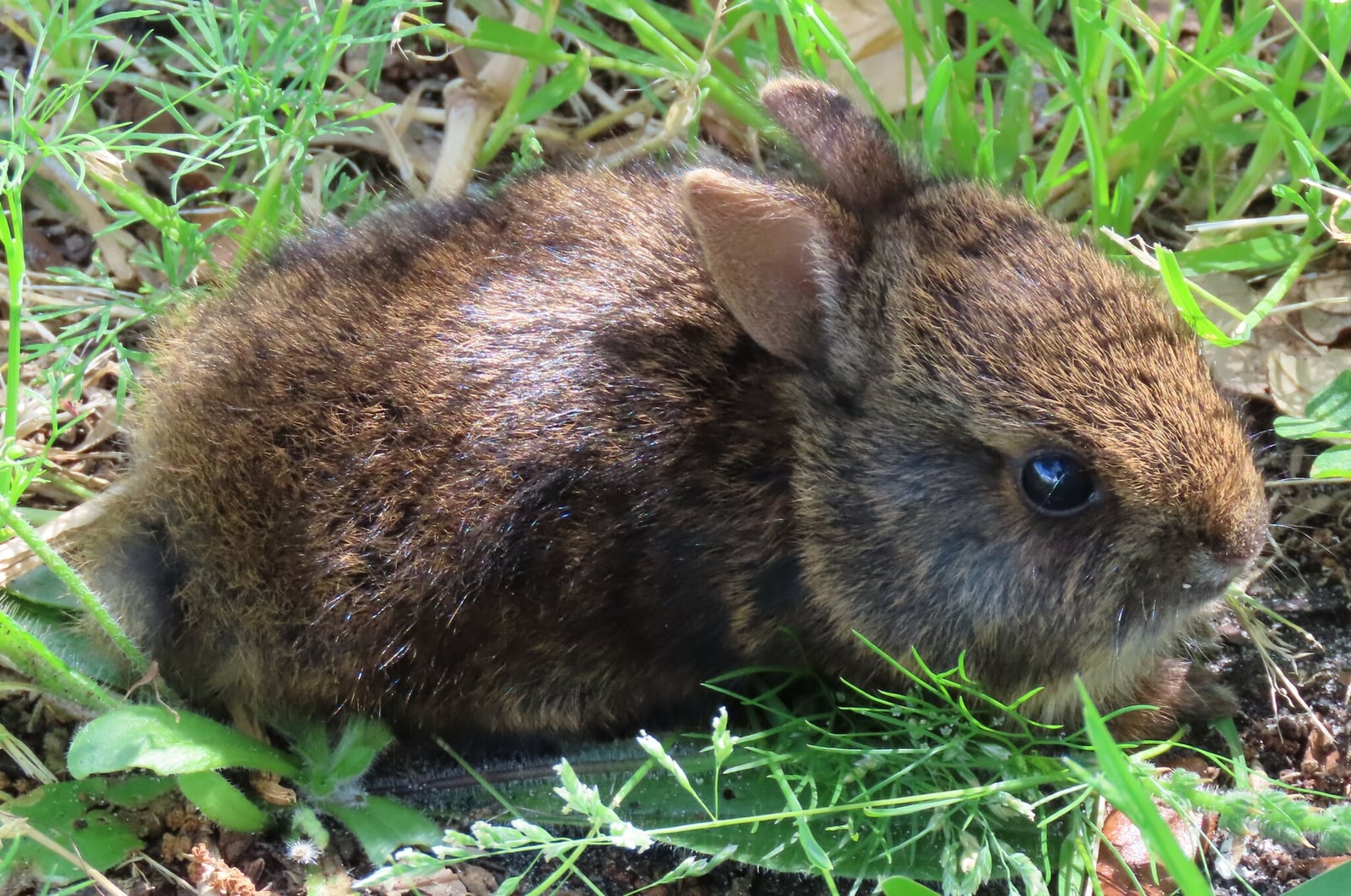
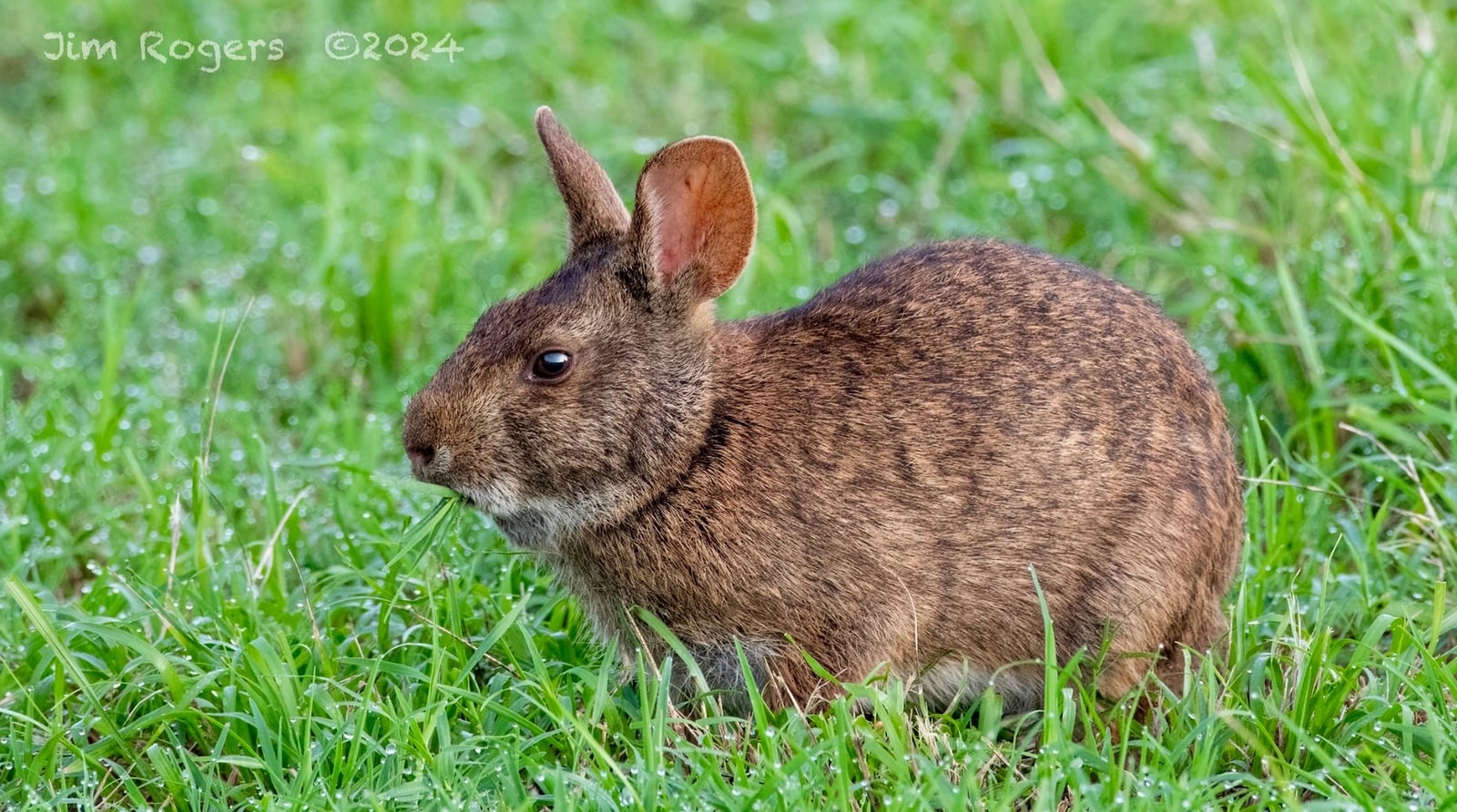
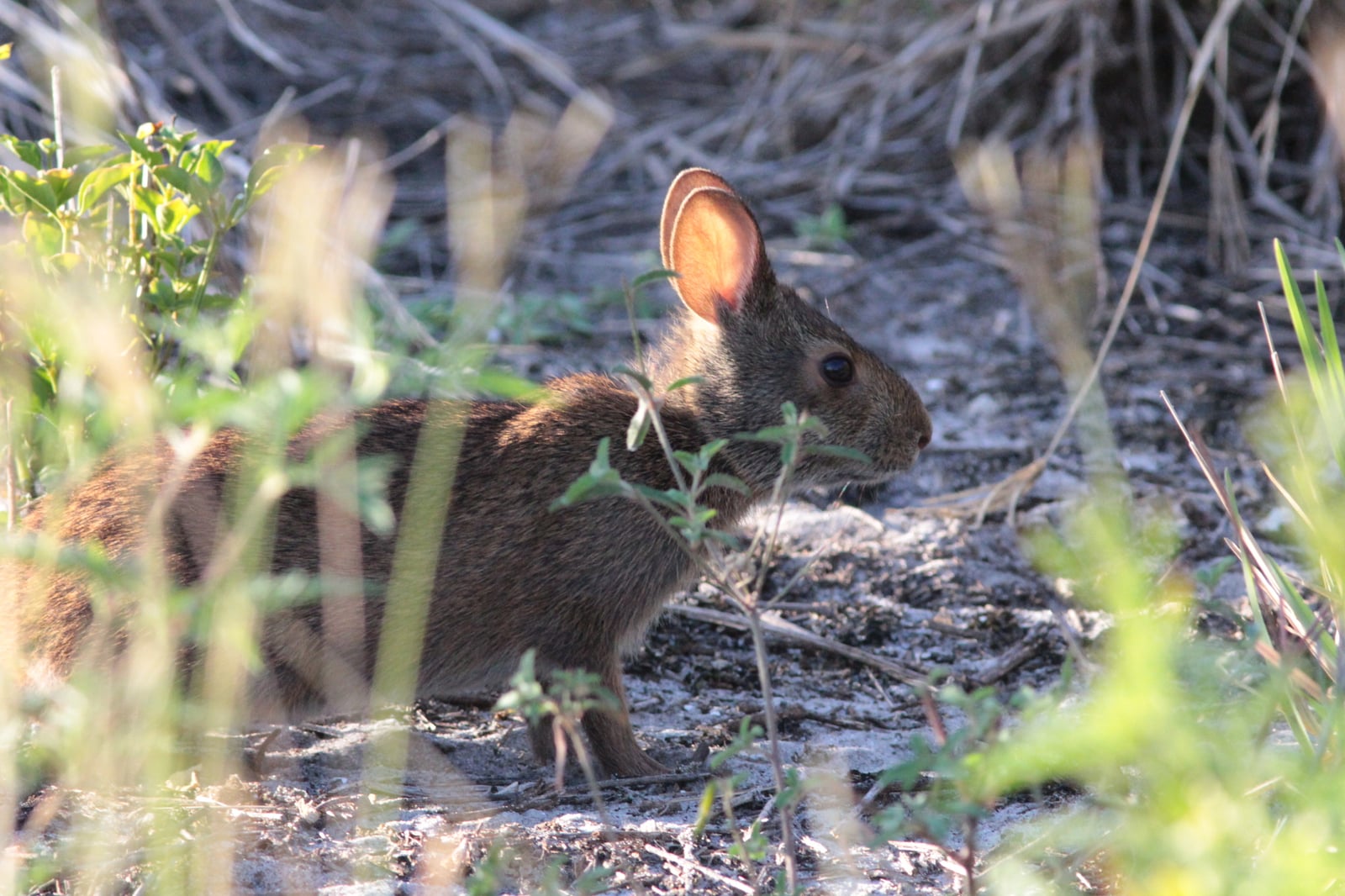
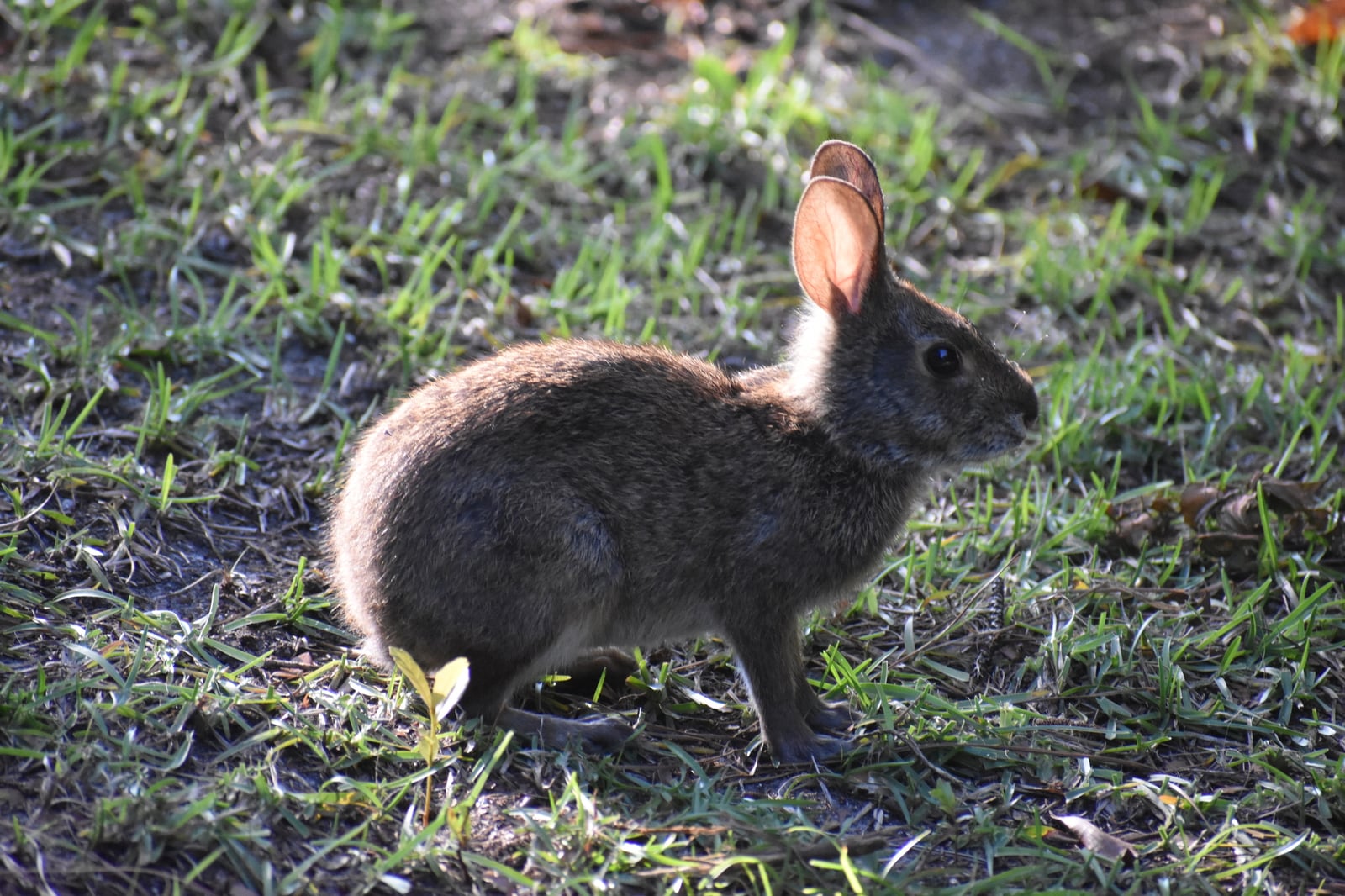
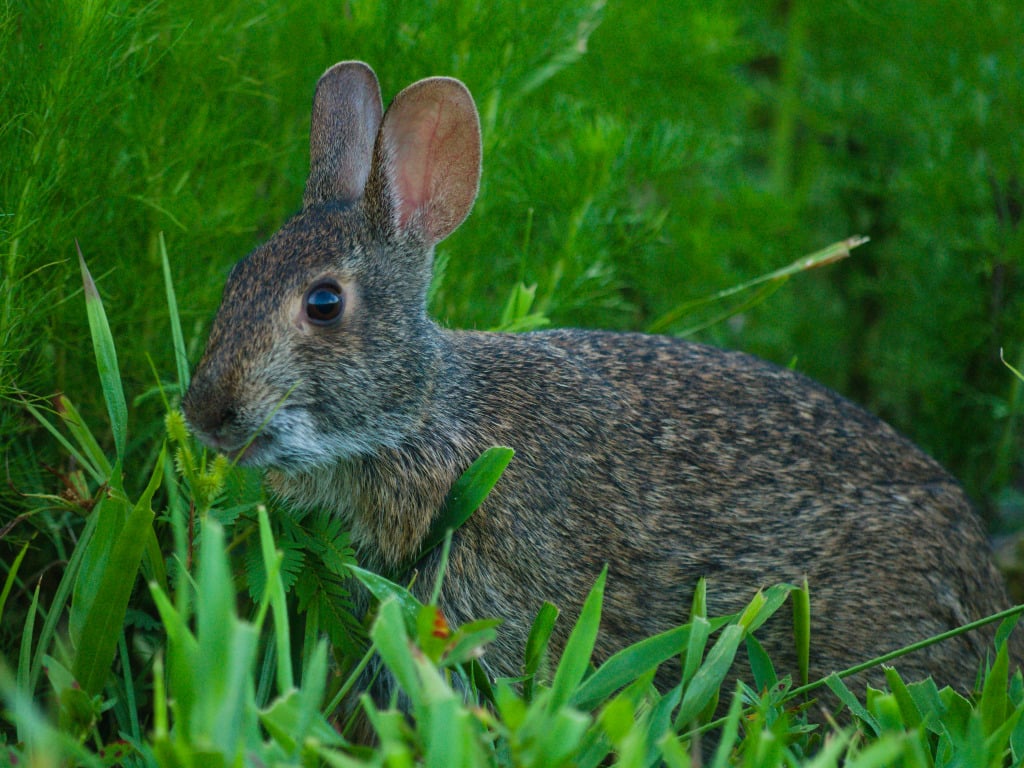
Marsh Rabbit in Florida

Sylvilagus palustris

Native to Florida SNR Unranked in Florida

Not listed as nonindigenous in Florida by USGS NAS; native to its Florida range.

IUCN Red List status

  1. LC
  2. NT
  3. VU
  4. EN
  5. CR
  6. EW
  7. EX

LC – Least Concern

Widespread and abundant; not at risk.

Marsh Rabbit in Florida, by the numbers

Common in Florida 4th most recorded of 116 mammals logged in Florida

10,005 occurrence records
9,999 with iNaturalist photos
Jul 11, 2026 Last seen in Florida

Records from 2000–2026.

10,005 total records count every Florida occurrence from GBIF and iNaturalist; the map plots a georeferenced sample of 300; the monthly chart covers the 9,609 records with a full observation date.

When to look for the Marsh Rabbit in Florida

Most sightings fall in March to June.

9,609 Florida occurrence records (iNaturalist and GBIF) by month of year, 2000–2026. Shows when the species is recorded, not a guarantee of presence.

Monthly Florida records (table)
MonthRecords
January425
February506
March1,046
April1,694
May1,481
June1,149
July845
August577
September639
October602
November328
December317

Monthly marsh rabbit occurrence records (iNaturalist and GBIF) in Florida, 2000–2026.

Seasonality

Year-round in Florida, with recorded sightings peaking in March–June.

Occurrence map

Where Marsh Rabbit has been recorded in Florida

300 records mapped · zoom and drag to explore

299 Florida records mapped

Notable places to look

Park, forest, or monumentiNaturalist records
Paynes Prairie Preserve State Park 682
Big Lagoon State Park 28
Natural Area Teaching Laboratory 24
St. Andrews State Park 22
Gulf Islands National Seashore 21
Arthur R. Marshall Loxahatchee National Wildlife Refuge 19
Everglades and Francis S. Taylor Wildlife Management Area 18
University of Central Florida Natural Area 17

Protected places with the most marsh rabbit sightings, from the USGS Protected Areas Database plus named mountain ranges, good spots to look, not a full breakdown, so they don't sum to the total.

Where it's recorded in Florida

CountyRecords
Orange County 1,248
Palm Beach County 1,206
Alachua County 1,077
Pinellas County 565
Hillsborough County 554
Lee County 488
Sarasota County 463
Lake County 350
Brevard County 295
Broward County 295
Seminole County 245
Collier County 242
44 other counties 2,977

The complete county distribution, spread across 56 Florida counties. Every occurrence record falls in one county, so these sum to the total. Counties from GBIF and US Census boundaries.

Subspecies in Florida

The endangered Lower Keys marsh rabbit is restricted to marshes and nearby uplands in the Lower Florida Keys.

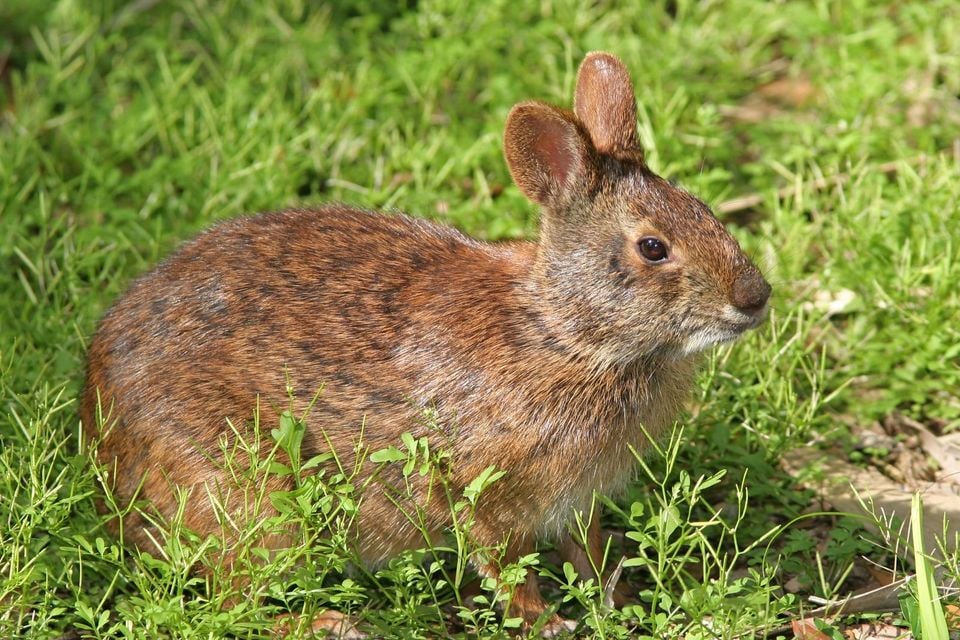
Paynes Prairie Preserve State Park dominates Florida’s marsh rabbit record with 269 named sightings, more than six times every other site on the list combined, a reflection of the wet prairie habitat this rabbit needs: dense marsh grass and standing water it will swim through to escape a predator, unlike the drier ground the more common eastern cottontail favors. Merritt Island, “Ding” Darling, and St. Marks extend the pattern to both coasts.

Records build to an April peak, more than five times the November low, tracking spring breeding activity when rabbits are most visible moving between feeding and denning cover. Florida is also home to the Lower Keys marsh rabbit, an endangered subspecies restricted to marshes in the Lower Florida Keys, genuinely distinct from the widespread mainland population NatureServe leaves unranked (SNR) statewide.

Occurrence data from iNaturalist and GBIF.

Marsh Rabbit in other states

More mammals in Florida in the atlas

Data & sources

The data and visualizations on this page draw on these open sources:



