Texas mammals

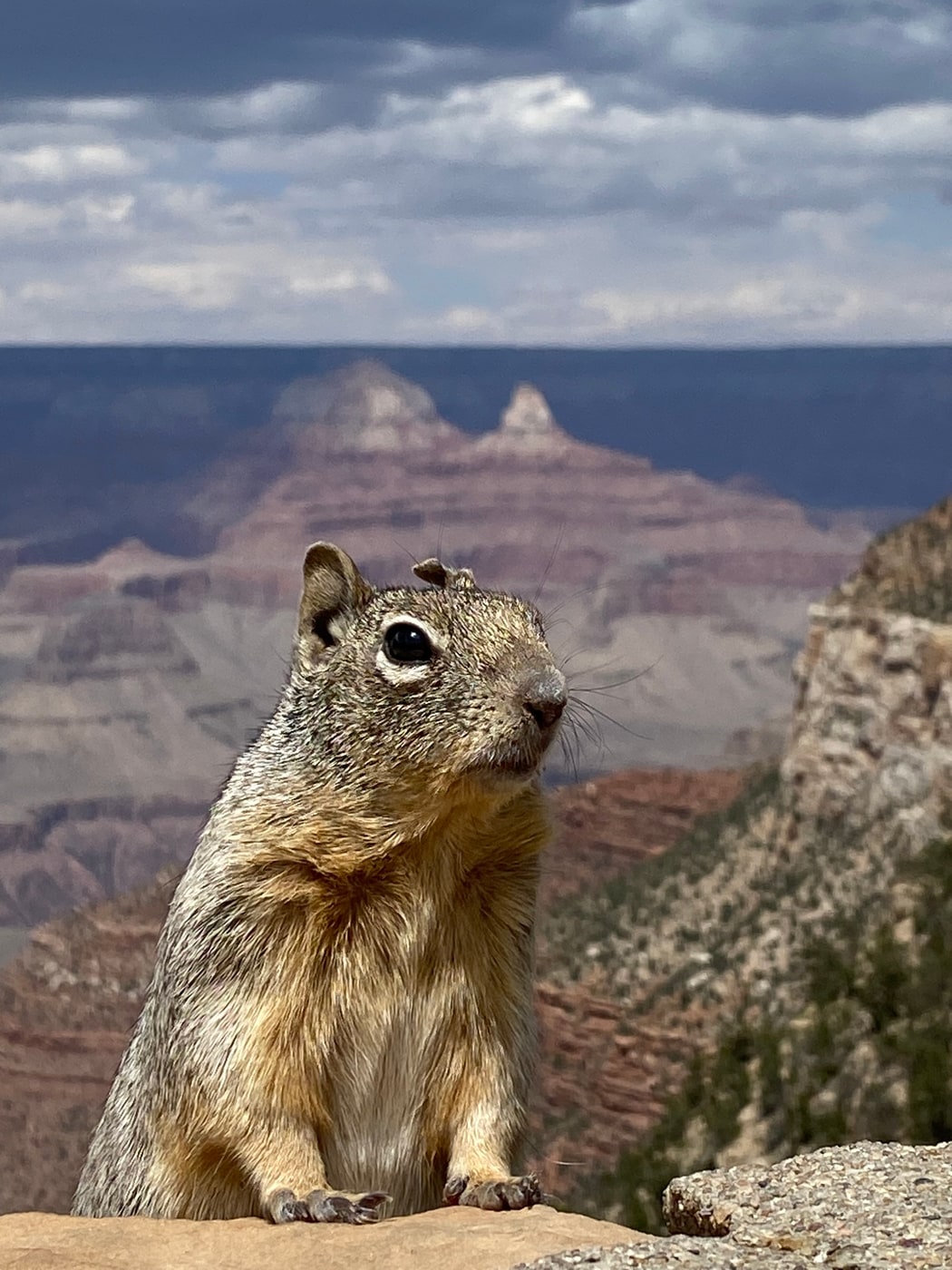
Rock Squirrel in Texas

Otospermophilus variegatus

Native to Texas S5 Secure in Texas

Not listed as nonindigenous in Texas by USGS NAS; native to its Texas range.

IUCN Red List status

  1. LC
  2. NT
  3. VU
  4. EN
  5. CR
  6. EW
  7. EX

LC – Least Concern

Widespread and abundant; not at risk.

Rock Squirrel in Texas, by the numbers

Common in Texas 15th most recorded of 197 mammals logged in Texas

4,352 occurrence records
4,326 with iNaturalist photos
Jul 10, 2026 Last seen in Texas

Records from 2000–2026.

4,352 total records count every Texas occurrence from GBIF and iNaturalist; the map plots a georeferenced sample of 300; the monthly chart covers the 4,168 records with a full observation date.

When to look for the Rock Squirrel in Texas

Most sightings fall in April to May.

4,168 Texas occurrence records (iNaturalist and GBIF) by month of year, 2000–2026. Shows when the species is recorded, not a guarantee of presence.

Monthly Texas records (table)
MonthRecords
January186
February236
March390
April724
May581
June382
July294
August301
September343
October336
November242
December153

Monthly rock squirrel occurrence records (iNaturalist and GBIF) in Texas, 2000–2026.

Seasonality

Year-round in Texas, with recorded sightings peaking in April–May.

Occurrence map

Where Rock Squirrel has been recorded in Texas

300 records mapped · zoom and drag to explore

300 Texas records mapped

Notable places to look

Park, forest, or monumentiNaturalist records
Enchanted Rock State Natural Area 215
Davis Mountains State Park 181
Big Bend National Park 173
South Llano River State Park 83
Franklin Mountains State Park 83
Garner State Park 80
Hueco Tanks State Park & Historic Site 40
Guadalupe Mountains National Park 22

Protected places with the most rock squirrel sightings, from the USGS Protected Areas Database plus named mountain ranges, good spots to look, not a full breakdown, so they don't sum to the total.

Where it's recorded in Texas

CountyRecords
Travis County 864
Bexar County 757
El Paso County 344
Williamson County 298
Jeff Davis County 239
Brewster County 222
Llano County 203
Comal County 153
Kendall County 125
Kimble County 124
Hays County 111
Edwards County 100
32 other counties 812

The complete county distribution, spread across 44 Texas counties. Every occurrence record falls in one county, so these sum to the total. Counties from GBIF and US Census boundaries.

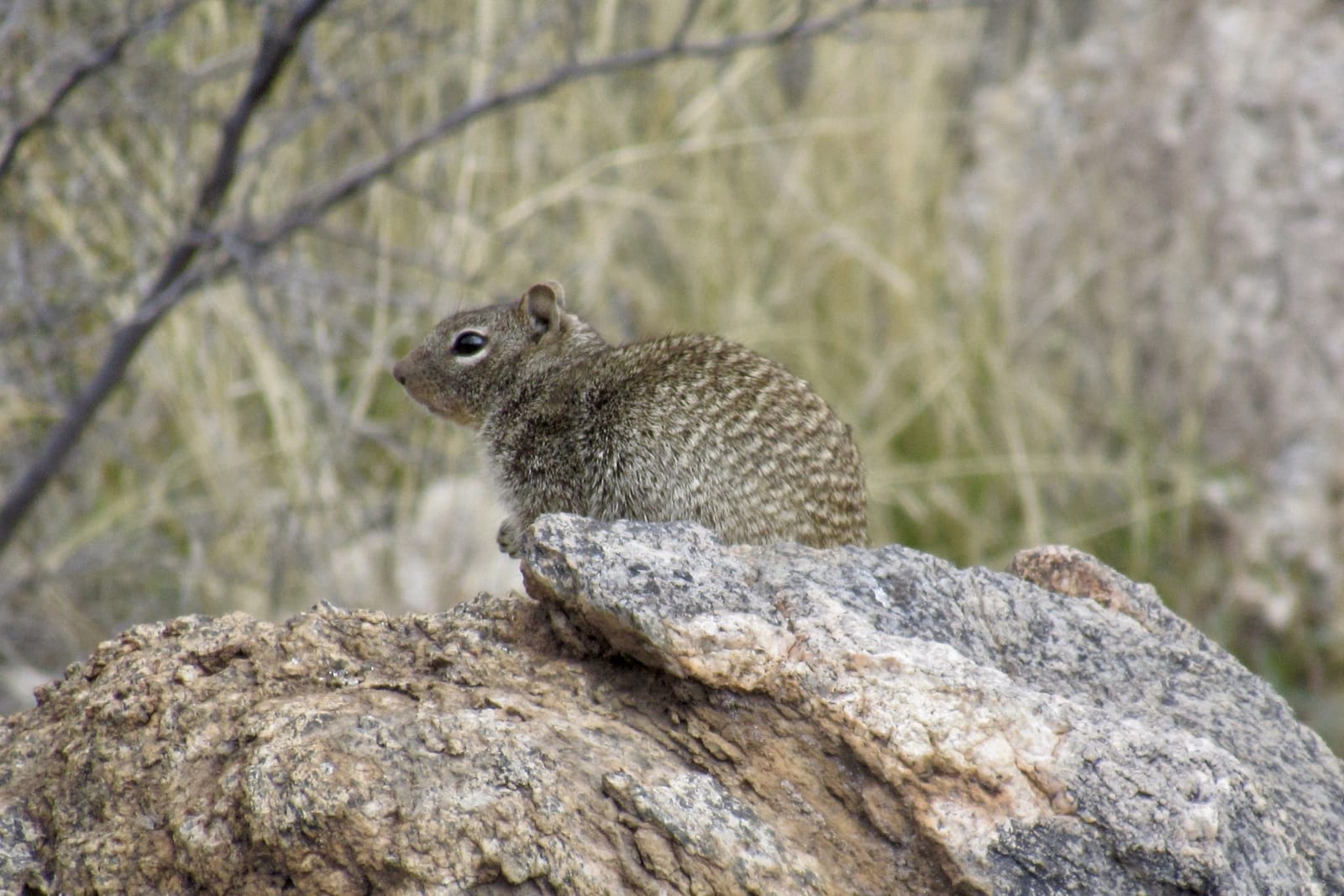
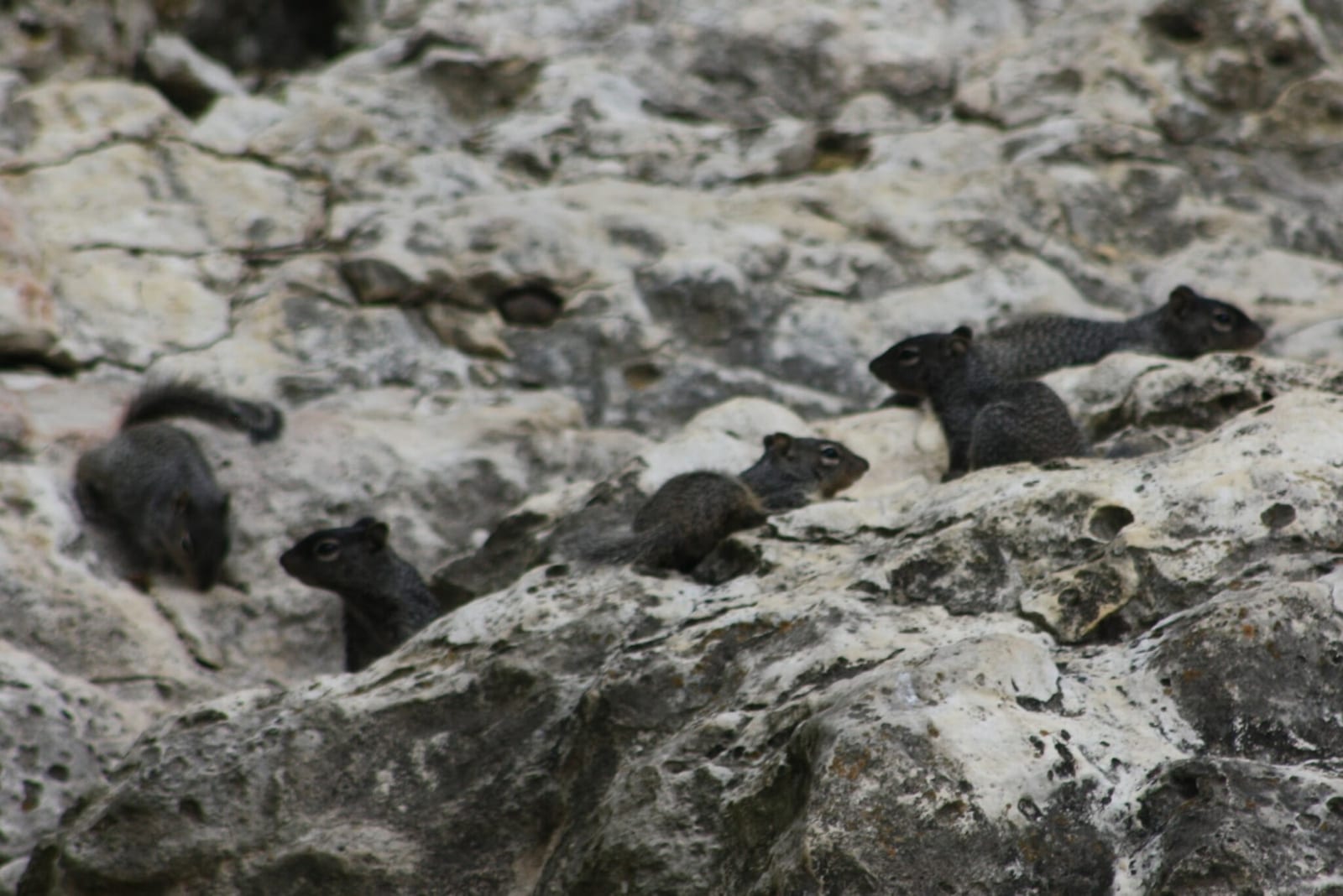
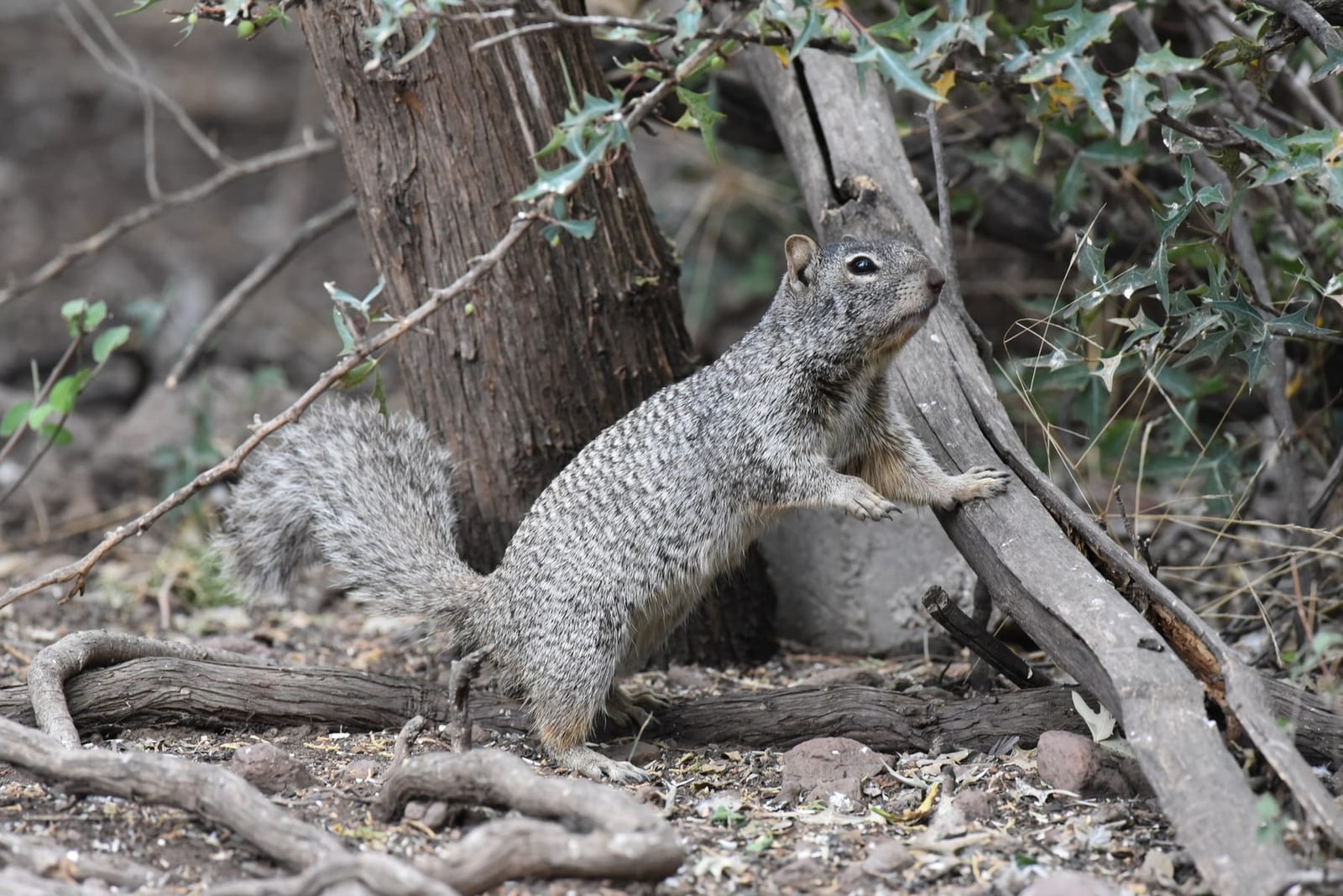
Rock squirrels earn their name honestly: Texas’s 4,352 records follow rock, from the granite of Enchanted Rock and the limestone around Austin and San Antonio to Big Bend, the Davis Mountains, and the Franklin Mountains, all cliff, boulder, and canyon-wall country where this ground squirrel dens in rock crevices and forages along talus slopes.

Records climb through spring, peaking in April and staying strong into May before easing off through a quieter winter. That rise fits a diurnal, sun-loving squirrel becoming more active as temperatures warm, though spring hiking traffic at these popular parks almost certainly boosts the count too.

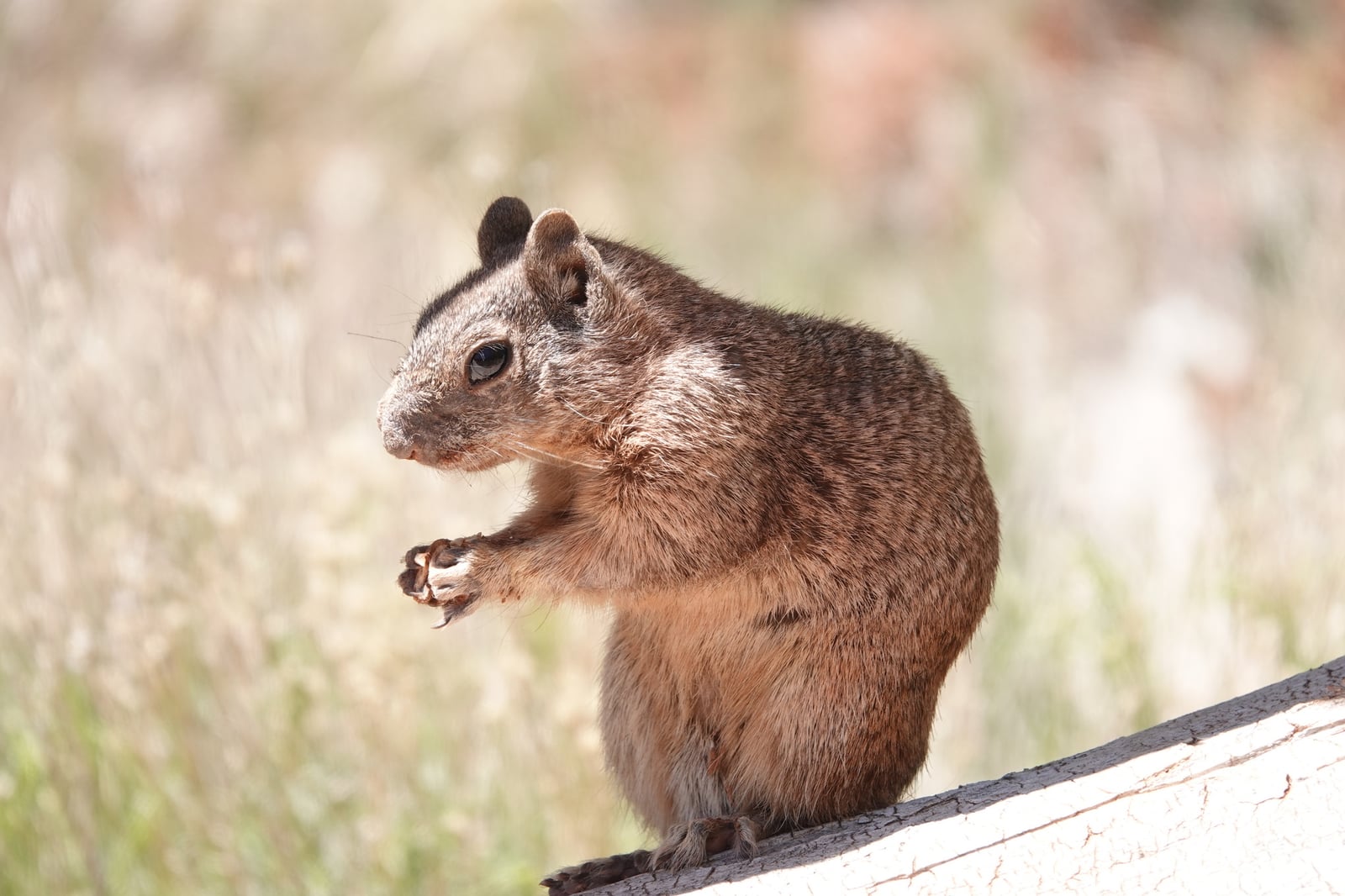
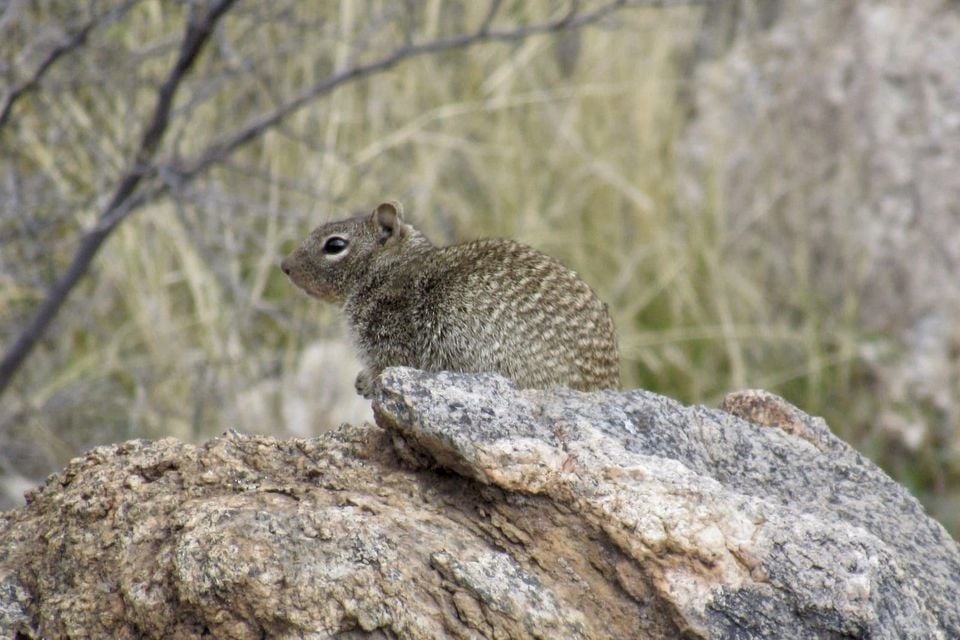
With 4,326 of the 4,352 records coming from iNaturalist, this is one of the more heavily photographed rodents in Texas, easy to spot sunning itself on an exposed rock. NatureServe rates it secure statewide, consistent with a range that extends well beyond the handful of parks that generate most of its documented sightings.

Occurrence data from iNaturalist and GBIF.

Rock Squirrel in other states

More mammals in Texas in the atlas

Data & sources

The data and visualizations on this page draw on these open sources:

  • GBIFCC-BY 4.0occurrence records behind the range map, elevation, and record counts
  • iNaturalistCC0 / CC-BY / CC-BY-SAobservations, photos, and audio recordings
  • NatureServe ExplorerCC-BYthe state conservation rank
  • IUCN Red Listattributed factthe global conservation status
  • USGS NASpublic domainnative / introduced status
  • Natural Earthpublic domainthe relief basemap
  • USFSpublic domainnational-forest boundaries
  • USGS Protected Areas Databasepublic domainthe named parks, forests, and refuges behind "notable places to look"




