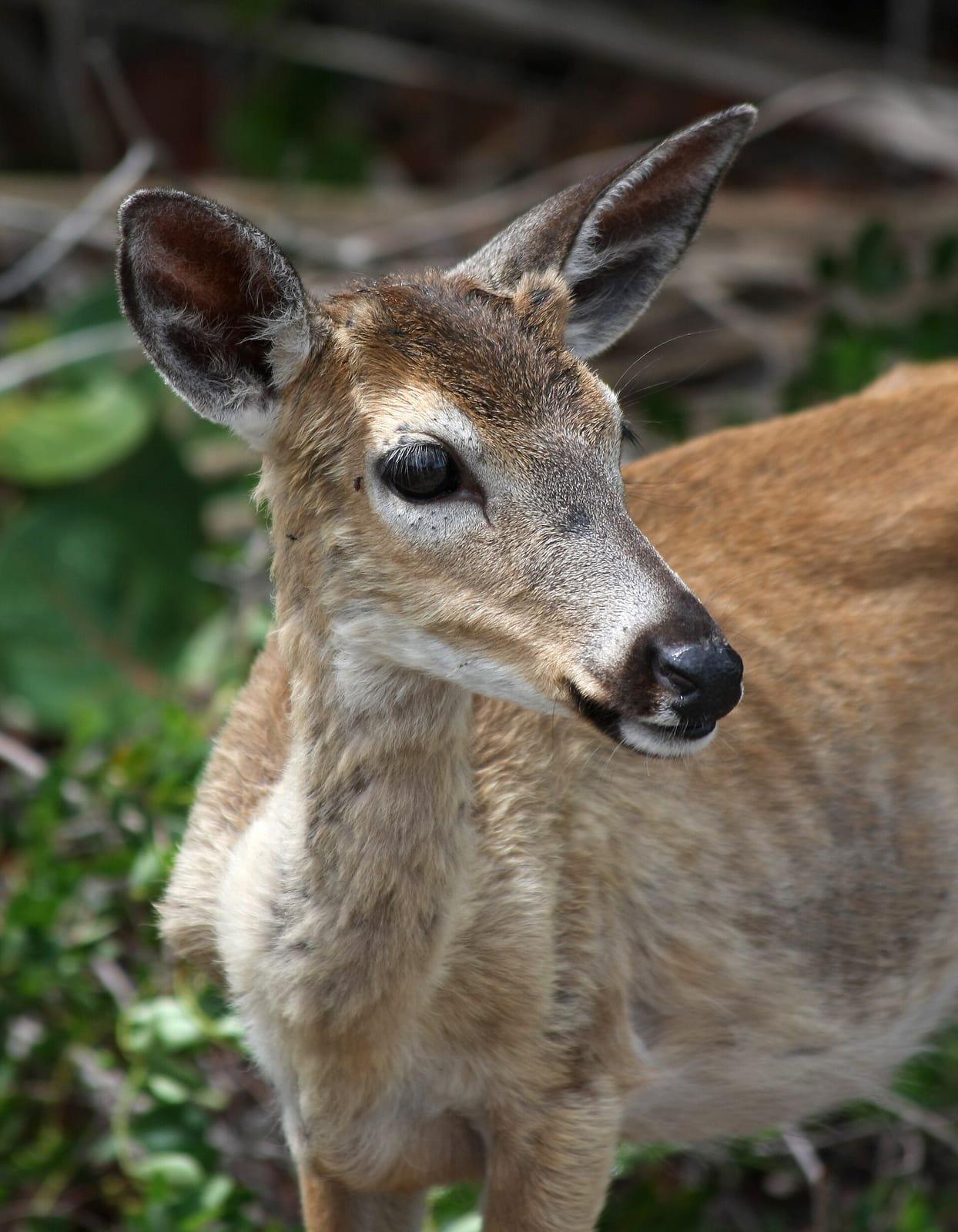
Wyoming mammals

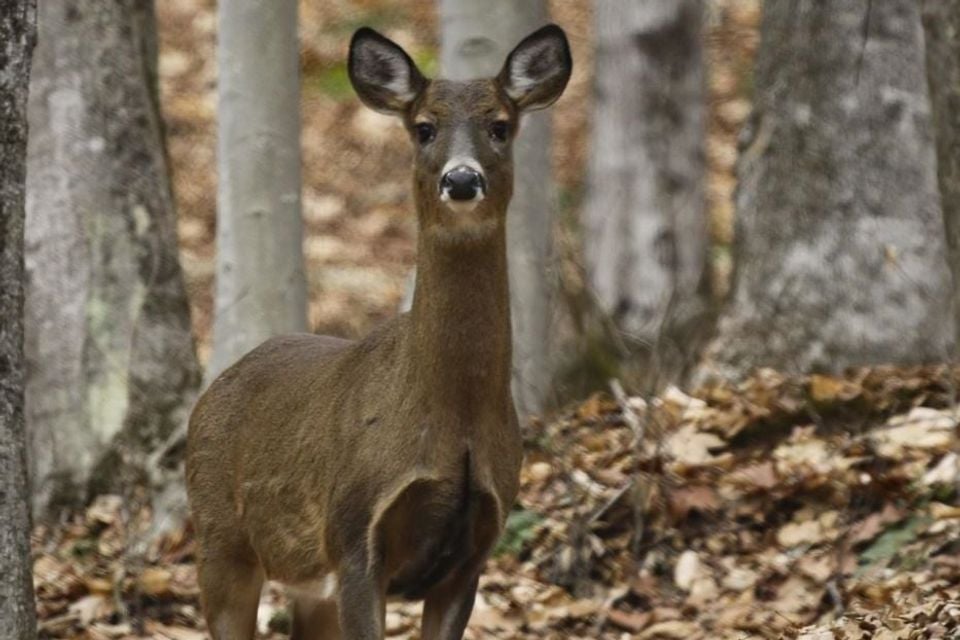
White-tailed Deer in Wyoming

Odocoileus virginianus

Native to Wyoming S5 Secure in Wyoming

Not listed as nonindigenous in Wyoming by USGS NAS; native to its Wyoming range.

IUCN Red List status

  1. LC
  2. NT
  3. VU
  4. EN
  5. CR
  6. EW
  7. EX

LC – Least Concern

Widespread and abundant; not at risk.

White-tailed Deer in Wyoming, by the numbers

Common in Wyoming 24th most recorded of 126 mammals logged in Wyoming

393 occurrence records
393 with iNaturalist photos
Jul 5, 2026 Last seen in Wyoming

Records from 2000–2026.

393 total records count every Wyoming occurrence from GBIF and iNaturalist; the map plots a georeferenced sample of 300; the monthly chart covers the 379 records with a full observation date.

When to look for the White-tailed Deer in Wyoming

Most sightings fall in June to July.

379 Wyoming occurrence records (iNaturalist and GBIF) by month of year, 2000–2026. Shows when the species is recorded, not a guarantee of presence.

Monthly Wyoming records (table)
MonthRecords
January9
February12
March9
April26
May27
June69
July95
August52
September29
October23
November19
December9

Monthly white-tailed deer occurrence records (iNaturalist and GBIF) in Wyoming, 2000–2026.

Seasonality

Year-round in Wyoming, with recorded sightings peaking in June–July.

Occurrence map

Where White-tailed Deer has been recorded in Wyoming

300 records mapped · zoom and drag to explore

300 Wyoming records mapped

Notable places to look

Park, forest, or monumentiNaturalist records
Devils Tower National Monument 81
Yellowstone National Park 43
Grand Teton National Park 20
Medicine Lodge Wildlife Habitat Management Area 3
Bud Love Wildlife Habitat Management Area 2
Keyhole Reservoir State Park 2
Wyoming Territorial Prison Historic Site 2
Bighorn Canyon National Recreation Area 1

Protected places with the most white-tailed deer sightings, from the USGS Protected Areas Database plus named mountain ranges, good spots to look, not a full breakdown, so they don't sum to the total.

Where it's recorded in Wyoming

CountyRecords
Crook County 121
Park County 54
Teton County 46
Sheridan County 45
Johnson County 25
Natrona County 20
Fremont County 17
Albany County 14
Laramie County 7
Big Horn County 6
Carbon County 6
Converse County 5
7 other counties 27

The complete county distribution, spread across 19 Wyoming counties. Every occurrence record falls in one county, so these sum to the total. Counties from GBIF and US Census boundaries.

White-tailed deer in Wyoming lean toward the state’s river-bottom and prairie-edge country rather than the high alpine terrain mule deer favor, and Devils Tower National Monument carries the strongest record of any named place, 81 sightings against 43 at Yellowstone and 20 at Grand Teton, tracing the cottonwood corridors and mixed woodland of the state’s northeast corner.

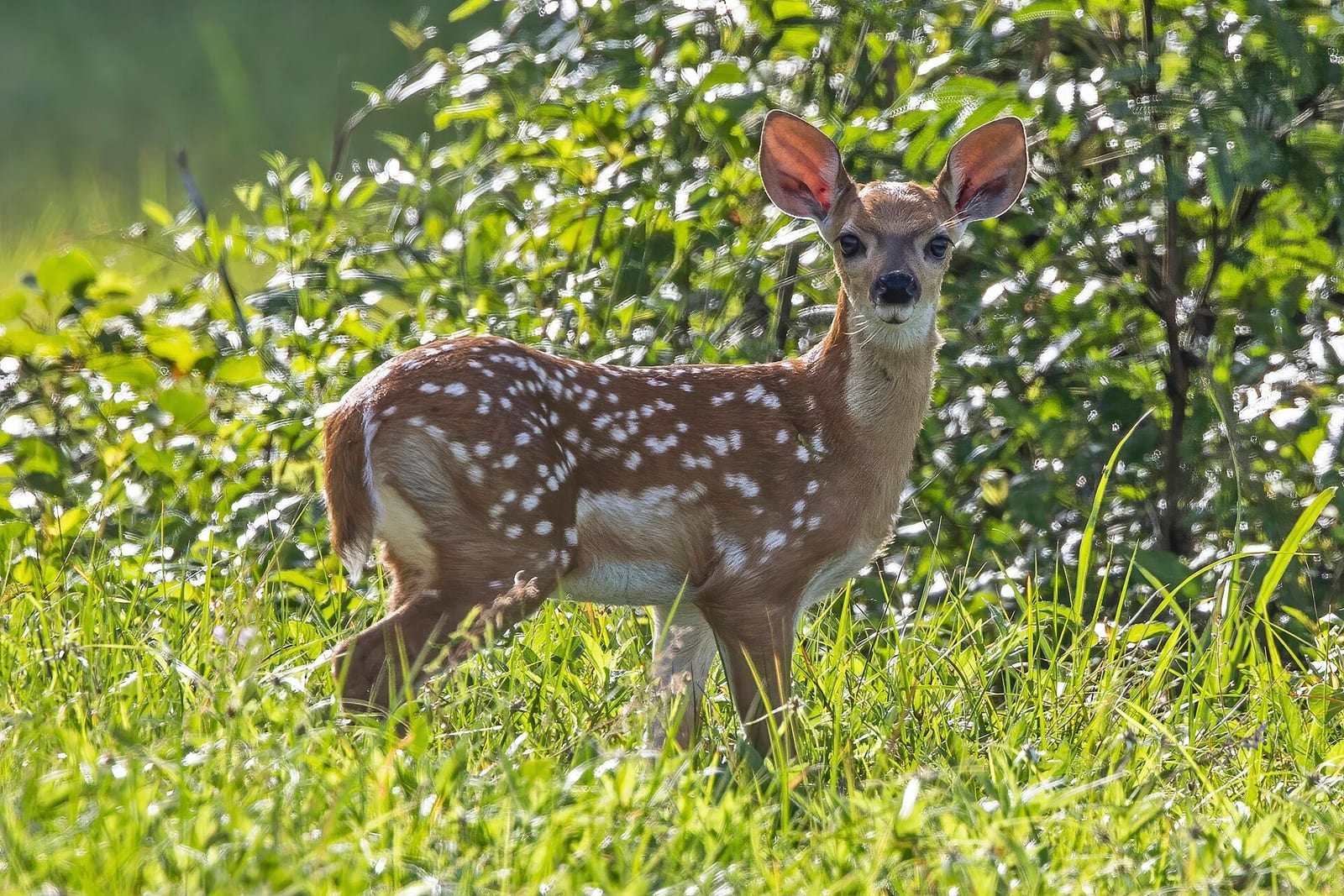
Records peak sharply in July, more than three times the January low, tracking the height of summer visitor traffic and fawns becoming mobile enough to be spotted alongside does. NatureServe rates the species secure (S5) both statewide and across its full range, and its clear preference for lower, brushier ground makes the Black Hills-adjacent terrain around Devils Tower a genuinely different Wyoming habitat than the high country most other ungulates on this list depend on.
Occurrence data from iNaturalist and GBIF.

White-tailed Deer in other states

White-tailed Deer range map (all states)

More mammals in Wyoming in the atlas

Data & sources

The data and visualizations on this page draw on these open sources:

  • GBIFCC-BY 4.0occurrence records behind the range map, elevation, and record counts
  • iNaturalistCC0 / CC-BY / CC-BY-SAobservations, photos, and audio recordings
  • NatureServe ExplorerCC-BYthe state conservation rank
  • IUCN Red Listattributed factthe global conservation status
  • USGS NASpublic domainnative / introduced status
  • Natural Earthpublic domainthe relief basemap
  • USFSpublic domainnational-forest boundaries
  • USGS Protected Areas Databasepublic domainthe named parks, forests, and refuges behind "notable places to look"




