
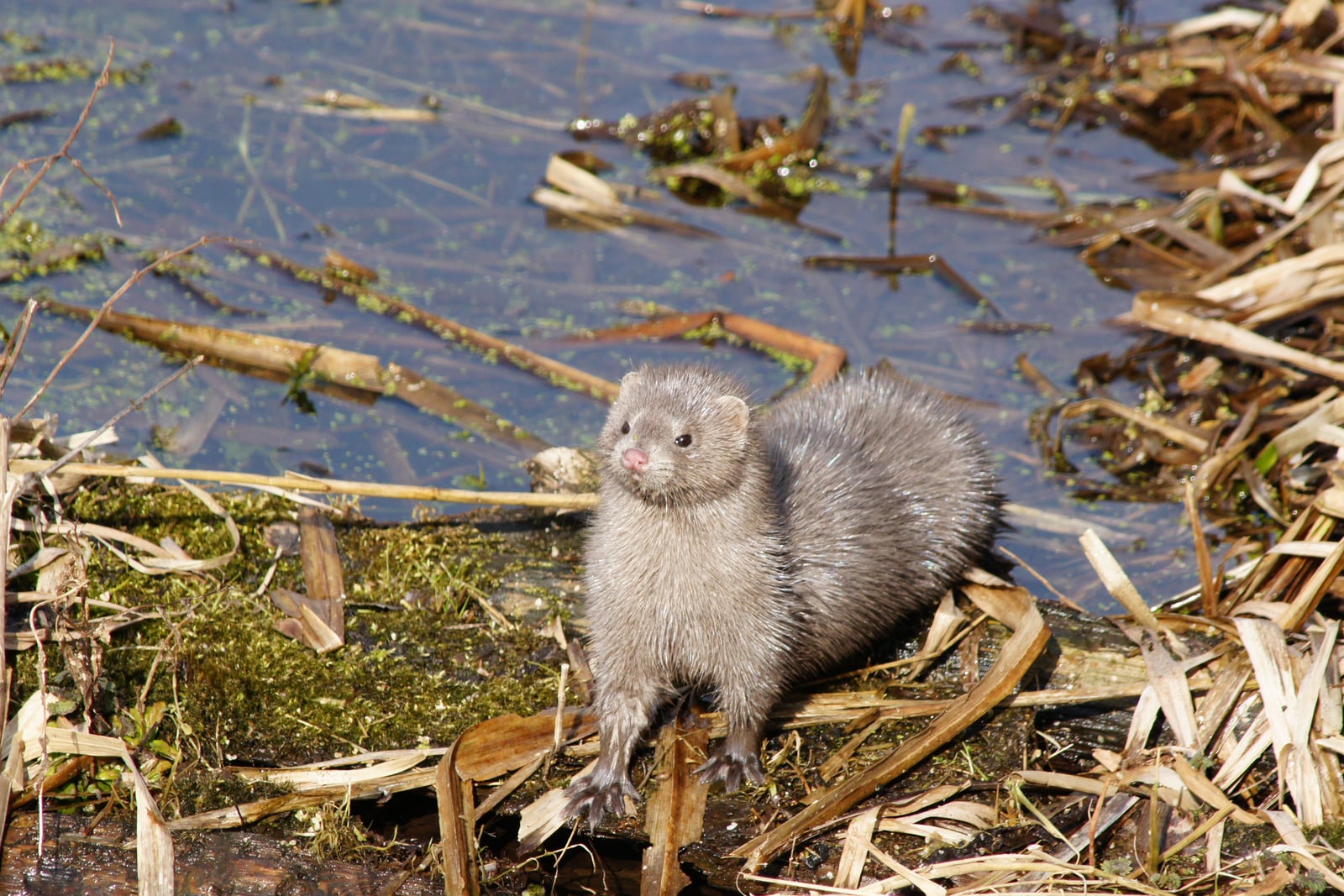
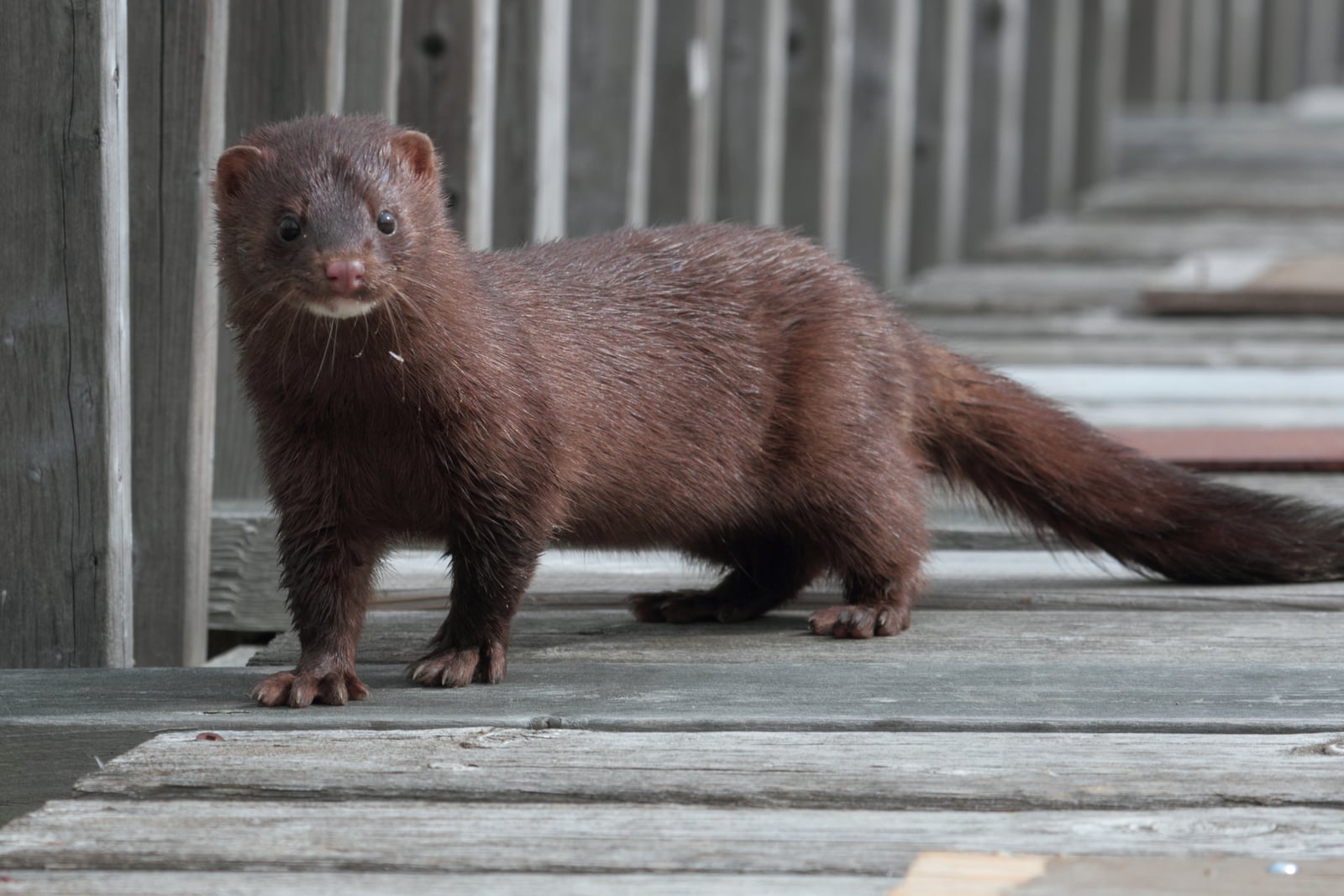
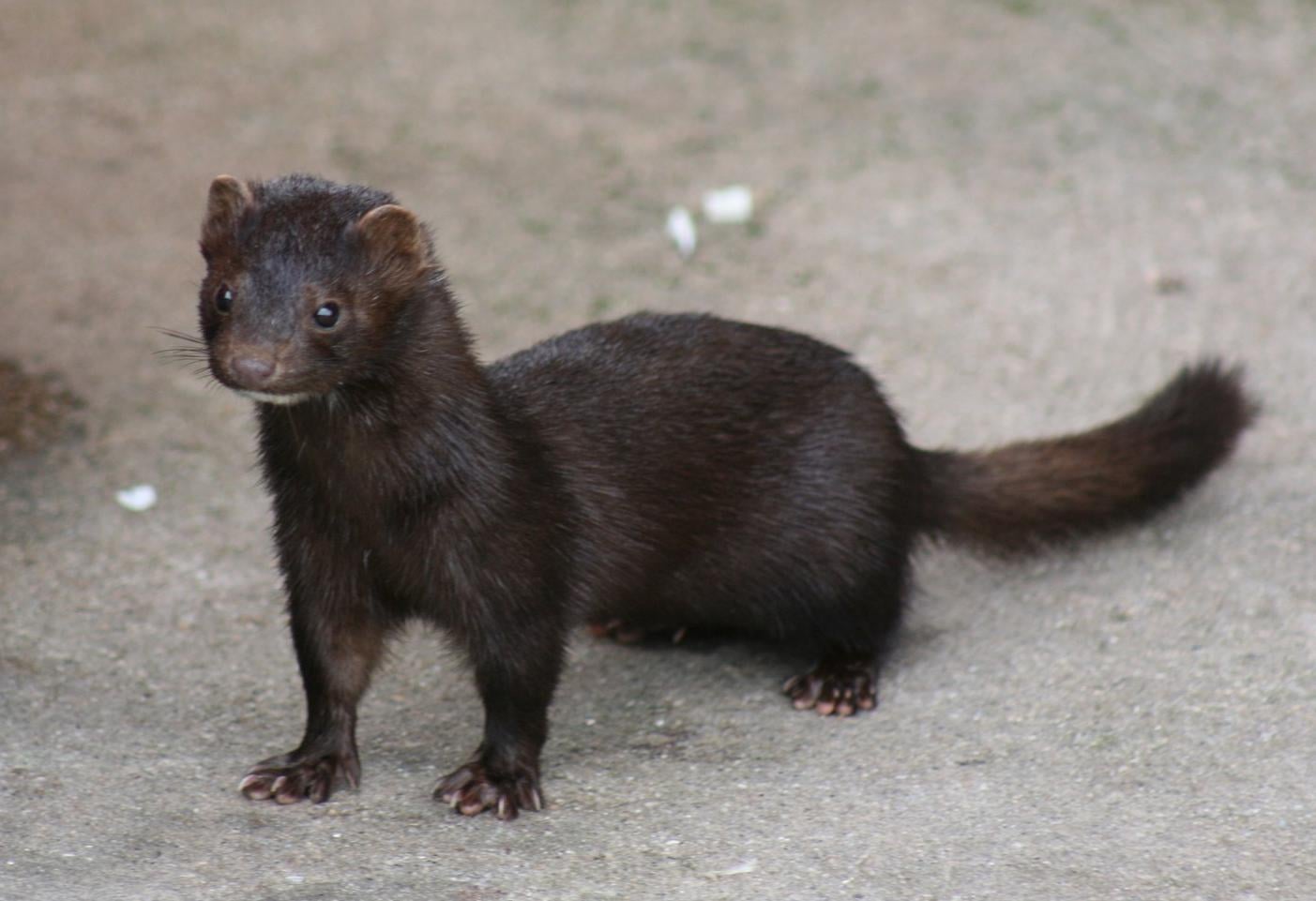
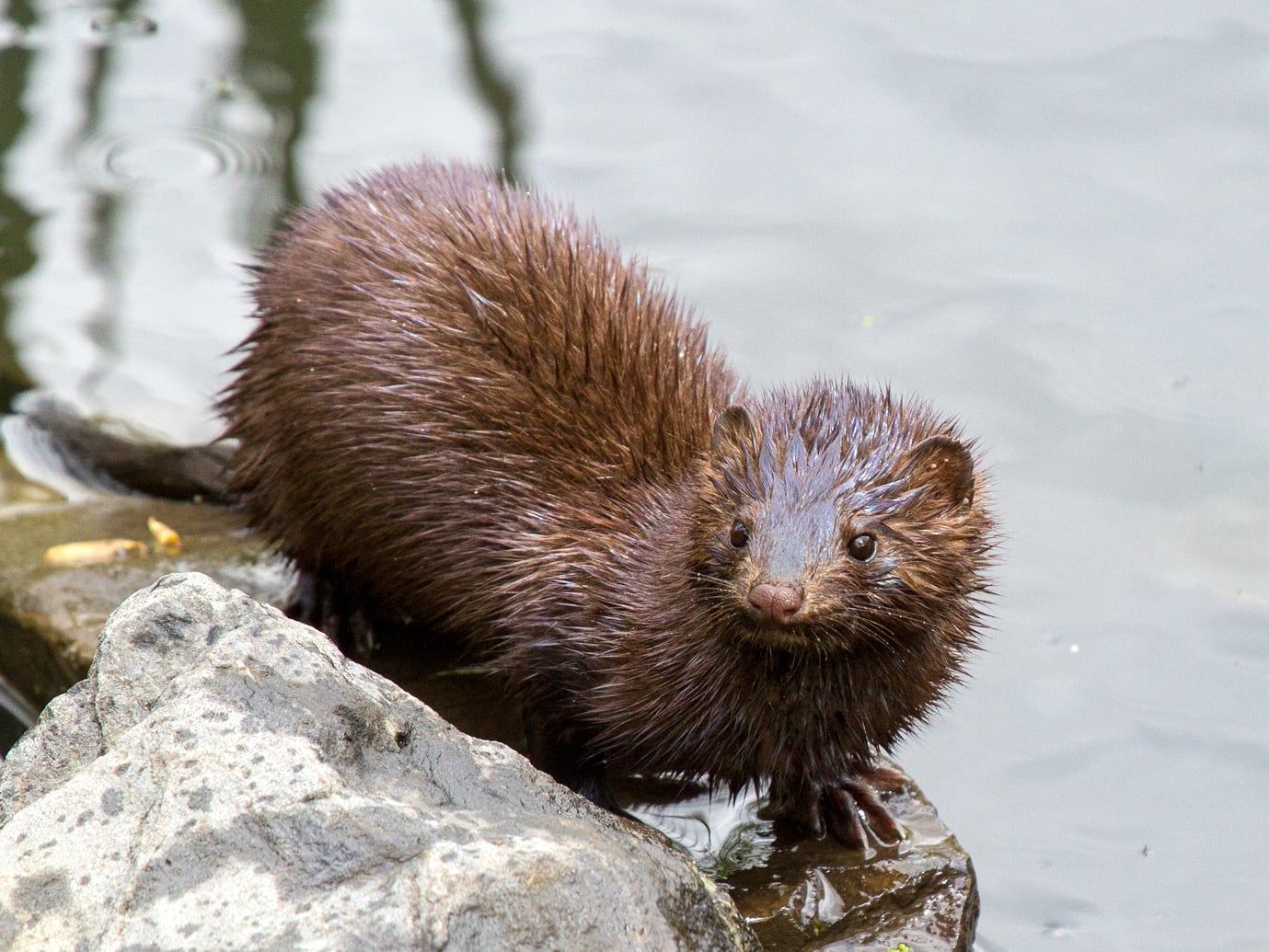
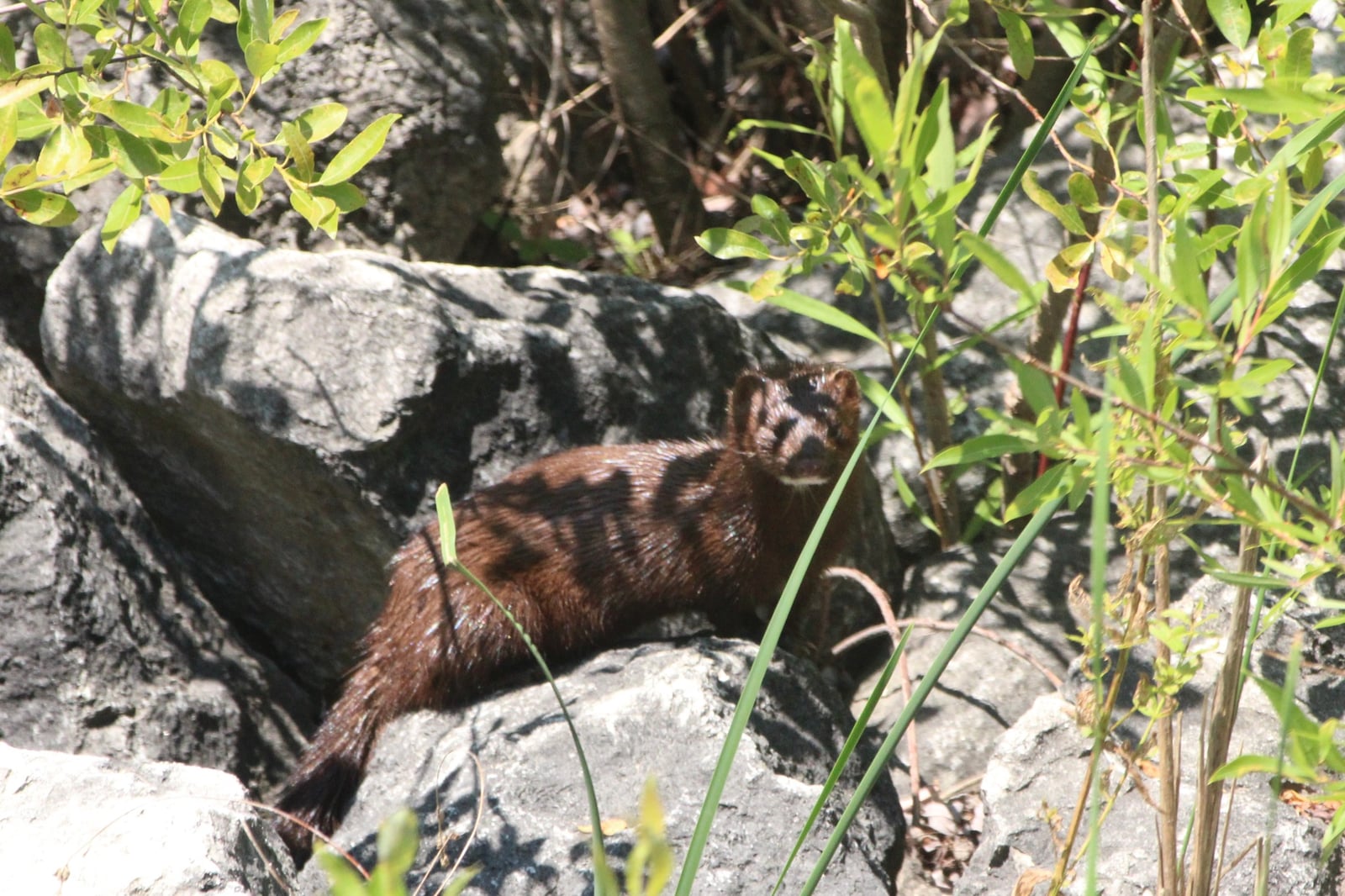
Most Illinois mink records come from the Chicago region, not the wild rivers of the south. Cook County alone accounts for 152 of the state’s 520 records, and Lake, DuPage, Kane, Will, and McHenry counties add many more. Forest preserves and river corridors thread through the suburbs, keeping long strips of wooded bank close to millions of people, so a mink slipping along a creek rarely goes unseen for long.
Lake Michigan dunes and southern swamps
Illinois Beach State Park, on the Lake Michigan shore near the Wisconsin line, is the top named site with 16 records, where ponds and marshy swales lie behind the dunes. At the other end of the state, Cache River State Natural Area and Mermet Lake State Fish and Wildlife Area each hold three, set in the cypress swamps of far southern Illinois. In between, DeKalb and Champaign counties stand out in farm country, where wooded stream corridors cut through open fields.
Spring brings the most reports
Records rise fast in March and peak in April at 80. They settle to around 50 a month through summer, then fall by about half in autumn. Mink mate in late winter, and males cover more ground then, which may help explain the spring jump. Nearly all of the 520 records, 506, are iNaturalist observations. NatureServe ranks the mink S5, secure, in Illinois, where it’s a native species of marsh, river, and lakeshore.
 Full species profile




