


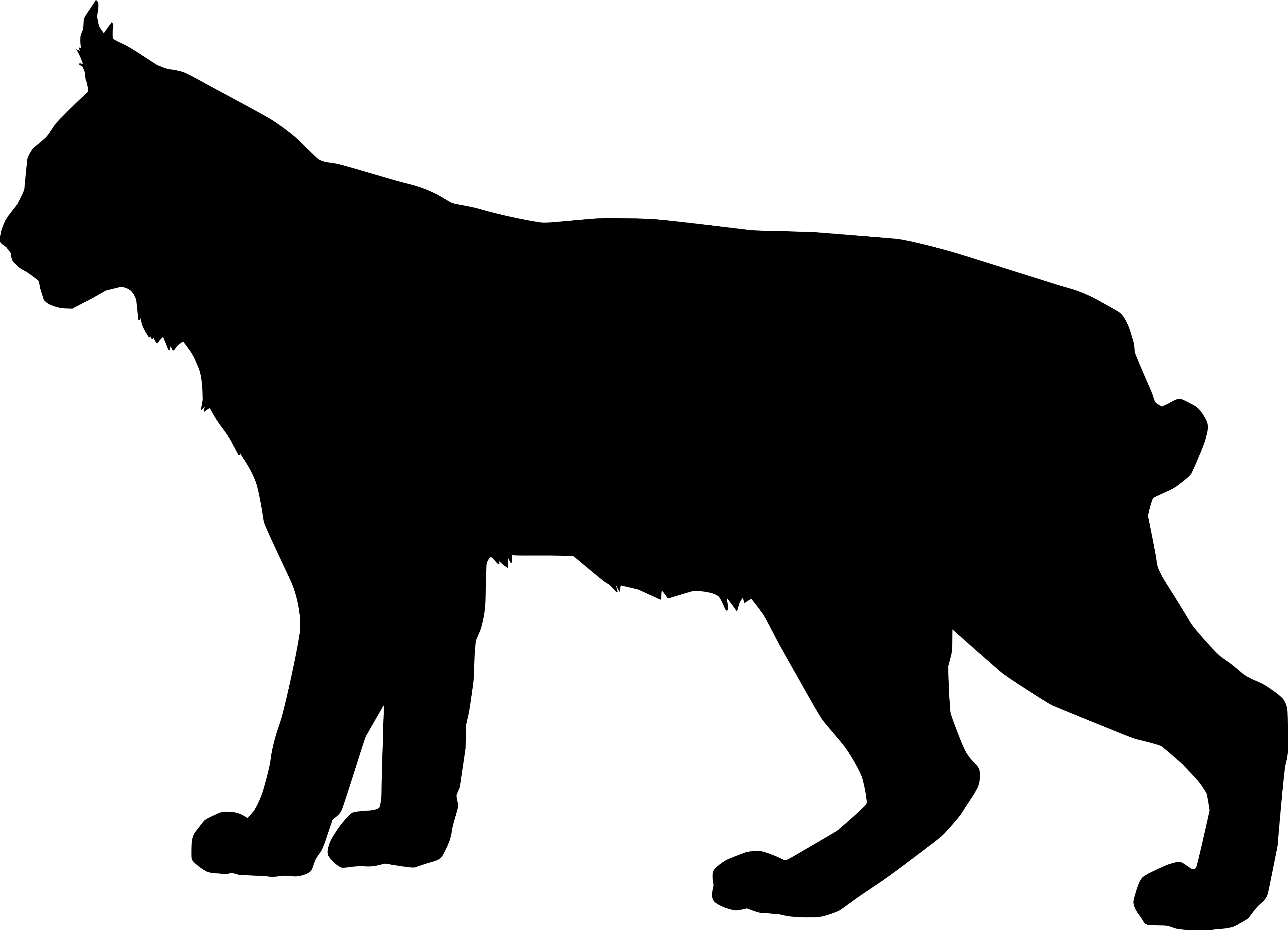
The bobcat is an adaptable wildcat in Colorado. Open occurrence databases hold 917 records for it here, most of them iNaturalist photos, a strong tally for a cat that is famously secretive. Twice the size of a house cat, it has a spotted coat, tufted ears, and the short, black-tipped tail that gives it its name.
Where bobcats show up
The records lean heavily toward the Front Range foothills, with Boulder County far in the lead and strong counts in Larimer, El Paso, Jefferson, and Douglas. That pattern says as much about the bobcat’s adaptability as about where people carry cameras. Unlike the deep-forest lynx, the bobcat thrives at the edge, using pinyon-juniper, oak brush, canyon country, streamside corridors, and the greenbelts and open space that lace the towns along the mountain front. It slips through suburban foothills that many mammals avoid, hunting rabbits, rodents, and birds.
Active in every season
There is no strong seasonal peak in the Colorado records, and that is itself telling. The bobcat neither hibernates nor migrates; it holds a home range and hunts through the entire year, so sightings arrive steadily from January to December. What variation exists tracks people more than cats: mild months and snow-tracking conditions that put observers outdoors, plus the winter breeding season when bobcats roam more widely and turn up on trail cameras and doorbell footage.
Status in the state
The bobcat is native to Colorado and secure here, ranked S4, apparently secure, by NatureServe and least concern by the IUCN. It is one of the more likely wild predators for a Front Range resident to actually glimpse, whether crossing a foothills trail at dusk or pausing in a backyard on the edge of the open space.
 Full species profile




