
Kansas mammals

Bobcat in Kansas

Lynx rufus

Native to Kansas S4 Apparently Secure in Kansas

Not listed as nonindigenous in Kansas by USGS NAS; native to its Kansas range.

IUCN Red List status

  1. LC
  2. NT
  3. VU
  4. EN
  5. CR
  6. EW
  7. EX

LC – Least Concern

Widespread and abundant; not at risk.

Bobcat in Kansas, by the numbers

Occasional in Kansas 41st most recorded of 93 mammals logged in Kansas

202 occurrence records
105 with iNaturalist photos
Jul 1, 2026 Last seen in Kansas

Records from 2000–2026.

202 total records count every Kansas occurrence from GBIF and iNaturalist; the monthly chart covers the 198 records with a full observation date.

When to look for the Bobcat in Kansas

Most sightings fall in October to January.

198 Kansas occurrence records (iNaturalist and GBIF) by month of year, 2000–2026. Shows when the species is recorded, not a guarantee of presence.

Monthly Kansas records (table)
MonthRecords
January25
February13
March14
April10
May18
June15
July12
August19
September11
October24
November20
December17

Monthly bobcat occurrence records (iNaturalist and GBIF) in Kansas, 2000–2026.

Seasonality

Year-round in Kansas, with recorded sightings peaking in October–January, with a smaller rise in May–June and August.

Occurrence map

Where Bobcat has been recorded in Kansas

202 records mapped · zoom and drag to explore

202 Kansas records mapped

Notable places to look

Park, forest, or monumentiNaturalist records
Slate Creek Wetlands 1
Clinton Wildlife Area 1
Kaw Wildlife Area 1
Meade State Park 1

Protected places with the most bobcat sightings, from the USGS Protected Areas Database plus named mountain ranges, good spots to look, not a full breakdown, so they don't sum to the total.

Where it's recorded in Kansas

CountyRecords
Douglas County 27
Johnson County 23
Franklin County 16
Cowley County 11
Anderson County 9
Butler County 7
Russell County 7
Miami County 5
Sedgwick County 4
Sumner County 4
Riley County 4
Jefferson County 4
45 other counties 81

The complete county distribution, spread across 57 Kansas counties. Every occurrence record falls in one county, so these sum to the total. Counties from GBIF and US Census boundaries.

Bobcats are solitary, mostly nocturnal hunters, and the short black-tipped tail that gives them their name is often the clearest field mark when one crosses a road at dusk. Kansas records cluster in the wooded river corridors and tallgrass remnants of the eastern prairie-forest transition and the Flint Hills, the kind of brushy, broken cover bobcats favor for stalking rabbits and rodents.

The record split leans slightly toward GBIF, 174 entries against 105 from iNaturalist, suggesting a mix of survey data alongside casual photographs. Sightings happen in every month but peak in May at 13, likely tied to kittens being born and adults moving more to hunt for a growing litter, though it could just as easily reflect when people are outdoors.

With a percentile ranking of 56.3, bobcats report more often than most other tracked Kansas mammals, and NatureServe lists the species as apparently secure (S4) statewide.
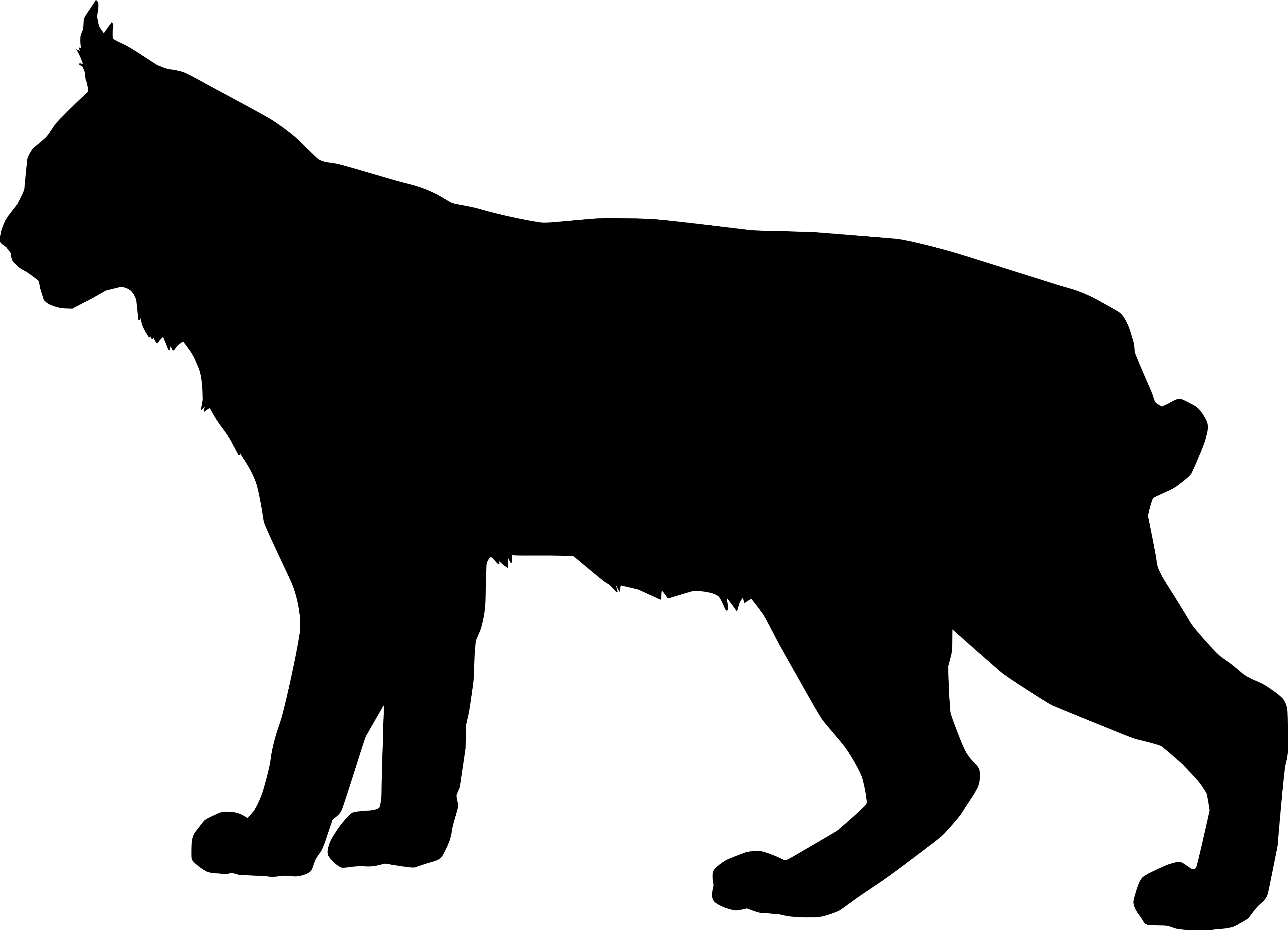
Occurrence data from iNaturalist and GBIF.

Bobcat in other states

View all states →

More mammals in Kansas in the atlas

Data & sources

The data and visualizations on this page draw on these open sources:

  • GBIFCC-BY 4.0occurrence records behind the range map, elevation, and record counts
  • iNaturalistCC0 / CC-BY / CC-BY-SAobservations, photos, and audio recordings
  • NatureServe ExplorerCC-BYthe state conservation rank
  • IUCN Red Listattributed factthe global conservation status
  • USGS NASpublic domainnative / introduced status
  • Natural Earthpublic domainthe relief basemap
  • USFSpublic domainnational-forest boundaries
  • USGS Protected Areas Databasepublic domainthe named parks, forests, and refuges behind "notable places to look"




