
Indiana mammals

Bobcat in Indiana

Lynx rufus

Native to Indiana S4 Apparently Secure in Indiana

Not listed as nonindigenous in Indiana by USGS NAS; native to its Indiana range.

IUCN Red List status

  1. LC
  2. NT
  3. VU
  4. EN
  5. CR
  6. EW
  7. EX

LC – Least Concern

Widespread and abundant; not at risk.

Bobcat in Indiana, by the numbers

Common in Indiana 23rd most recorded of 74 mammals logged in Indiana

91 occurrence records
89 with iNaturalist photos

Records from 2000–2026.

91 total records count every Indiana occurrence from GBIF and iNaturalist; the map plots a georeferenced sample of 90; the monthly chart covers the 89 records with a full observation date.

When to look for the Bobcat in Indiana

Most sightings fall in November to January.

89 Indiana occurrence records (iNaturalist and GBIF) by month of year, 2000–2026. Shows when the species is recorded, not a guarantee of presence.

Monthly Indiana records (table)
MonthRecords
January11
February6
March7
April7
May6
June10
July5
August8
September8
October3
November8
December10

Monthly bobcat occurrence records (iNaturalist and GBIF) in Indiana, 2000–2026.

Seasonality

Year-round in Indiana, with recorded sightings peaking in November–January, with a smaller rise in March–April and June.

Occurrence map

Where Bobcat has been recorded in Indiana

90 records mapped · zoom and drag to explore

89 Indiana records mapped

Where it's recorded in Indiana

CountyRecords
Monroe County 12
Johnson County 11
Brown County 10
Bartholomew County 7
Morgan County 5
Greene County 4
Lawrence County 3
Montgomery County 2
Sullivan County 2
Jefferson County 2
Hendricks County 2
Switzerland County 2
25 other counties 29

The complete county distribution, spread across 37 Indiana counties. Every occurrence record falls in one county, so these sum to the total. Counties from GBIF and US Census boundaries.

Indiana’s 91 bobcat records huddle in the south-central hills, led by Monroe, Johnson, Brown, and Bartholomew counties, with Hoosier National Forest, the Charles C. Deam Wilderness, and Yellowwood State Forest anchoring the named places.

A comeback in the hill country

By the middle of the twentieth century the bobcat was rare enough in Indiana to earn a place on the state’s endangered list, its forest and thicket habitat largely cleared for farmland. As the rough, unglaciated hill country of the south regrew into woods, the cat worked back in from neighboring states, recolonizing the ridges and ravines of the Hoosier National Forest country first. Indiana removed it from the endangered list in 2005. The record still tells that southern story: the flat, intensively farmed counties of central and northern Indiana produce only scattered reports. Even in the hills, this is a cat detected by trail cameras and tracks far more often than by eye, and most Hoosiers in occupied country never see one.

Active all year, met by few

Reports arrive in every month, with January and June the strongest. Late winter is breeding season, when males travel well beyond their usual ranges, and by early summer the year’s kittens are out of the den and beginning to follow their mother on hunts. A round four-toed track with no claw marks in mud or dust remains the likeliest encounter.

Status in Indiana

NatureServe ranks the bobcat S4, Apparently Secure, in Indiana, and the species is native to the state. USGS NAS does not list it as nonindigenous here.
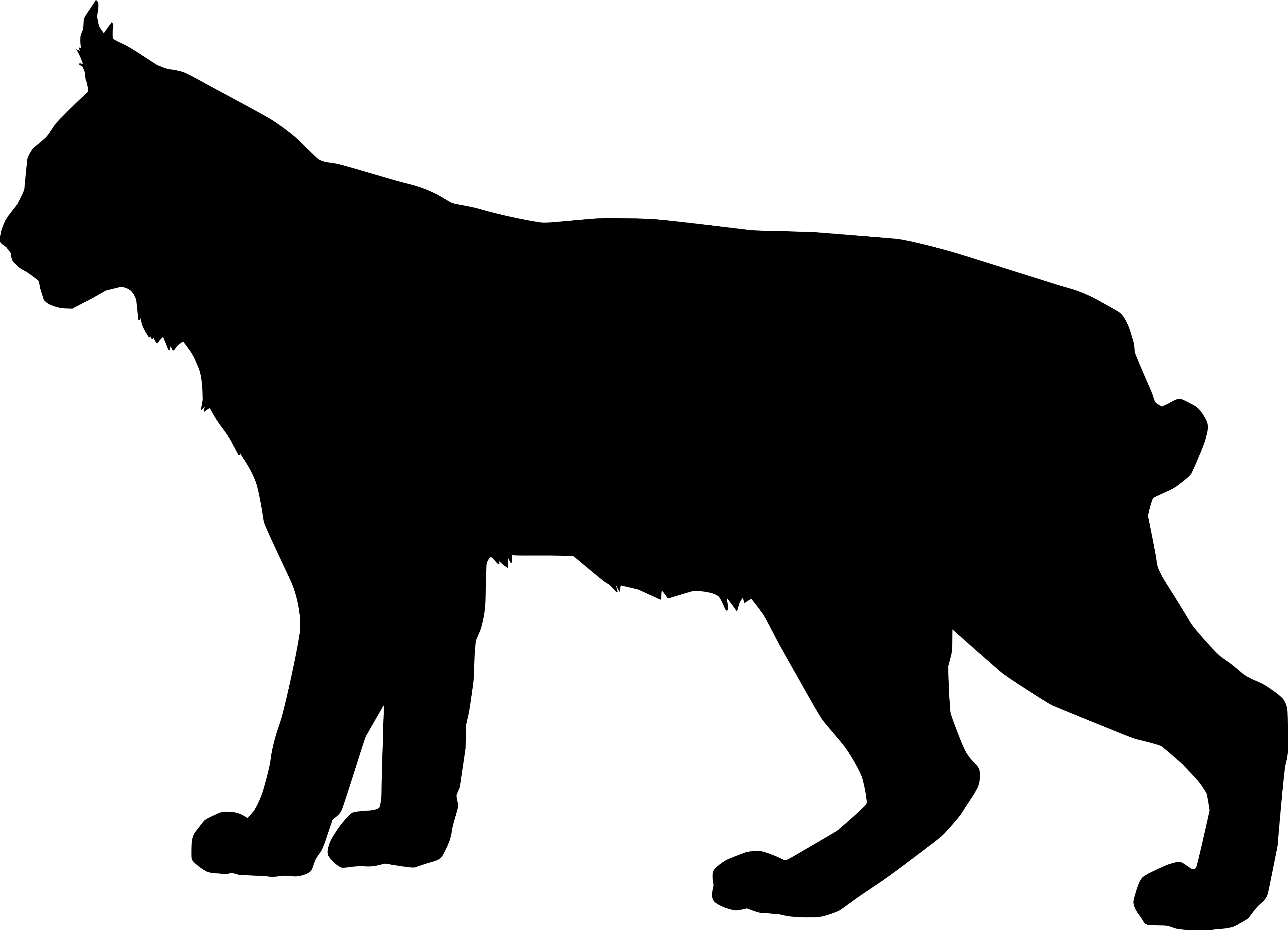
Occurrence data from iNaturalist and GBIF.

Bobcat in other states

View all states →

More mammals in Indiana in the atlas

Data & sources

The data and visualizations on this page draw on these open sources:

  • GBIFCC-BY 4.0occurrence records behind the range map, elevation, and record counts
  • iNaturalistCC0 / CC-BY / CC-BY-SAobservations, photos, and audio recordings
  • NatureServe ExplorerCC-BYthe state conservation rank
  • IUCN Red Listattributed factthe global conservation status
  • USGS NASpublic domainnative / introduced status
  • Natural Earthpublic domainthe relief basemap
  • USFSpublic domainnational-forest boundaries




