
Maryland mammals

Bobcat in Maryland

Lynx rufus

Native to Maryland S3 Vulnerable in Maryland

Not listed as nonindigenous in Maryland by USGS NAS; native to its Maryland range.

IUCN Red List status

  1. LC
  2. NT
  3. VU
  4. EN
  5. CR
  6. EW
  7. EX

LC – Least Concern

Widespread and abundant; not at risk.

Bobcat in Maryland, by the numbers

Occasional in Maryland 46th most recorded of 100 mammals logged in Maryland

20 occurrence records

Records from 2000–2026.

20 total records count every Maryland occurrence from GBIF and iNaturalist; the map plots a georeferenced sample of 13; the monthly chart covers the 13 records with a full observation date.

When to look for the Bobcat in Maryland

Most sightings fall in April.

13 Maryland occurrence records (iNaturalist and GBIF) by month of year, 2000–2026. Shows when the species is recorded, not a guarantee of presence. Based on a small number of dated records; the seasonal pattern may not be representative.

Monthly Maryland records (table)
MonthRecords
January0
February0
March0
April7
May0
June1
July3
August1
September1
October0
November0
December0

Monthly bobcat occurrence records (iNaturalist and GBIF) in Maryland, 2000–2026.

Seasonality

Year-round in Maryland, with recorded sightings peaking in April.

Occurrence map

Where Bobcat has been recorded in Maryland

13 records mapped · zoom and drag to explore

13 Maryland records mapped

Where it's recorded in Maryland

CountyRecords
Garrett County 5
Allegany County 3
Frederick County 3
Howard County 1
Baltimore County 1
Other localities 7

The complete county distribution, spread across 5 Maryland counties. Every occurrence record falls in one county, so these sum to the total. Counties from GBIF and US Census boundaries.

Bobcat records in Maryland span a wide range of habitat, from the tidal marsh edges of Blackwater and Eastern Neck national wildlife refuges to the barrier-island thickets of Assateague Island, reflecting a generalist predator equally at home in wetland edge and coastal scrub. The state’s 20 logged sightings are a modest count for a secretive, mostly nocturnal cat that leaves few direct encounters.

Reports peak in April, with a smaller rise in July, likely tracking spring dispersal of young bobcats moving into new territory. NatureServe ranks the species S3, Vulnerable, in Maryland, reflecting the state’s limited remaining forest and wetland-edge habitat.
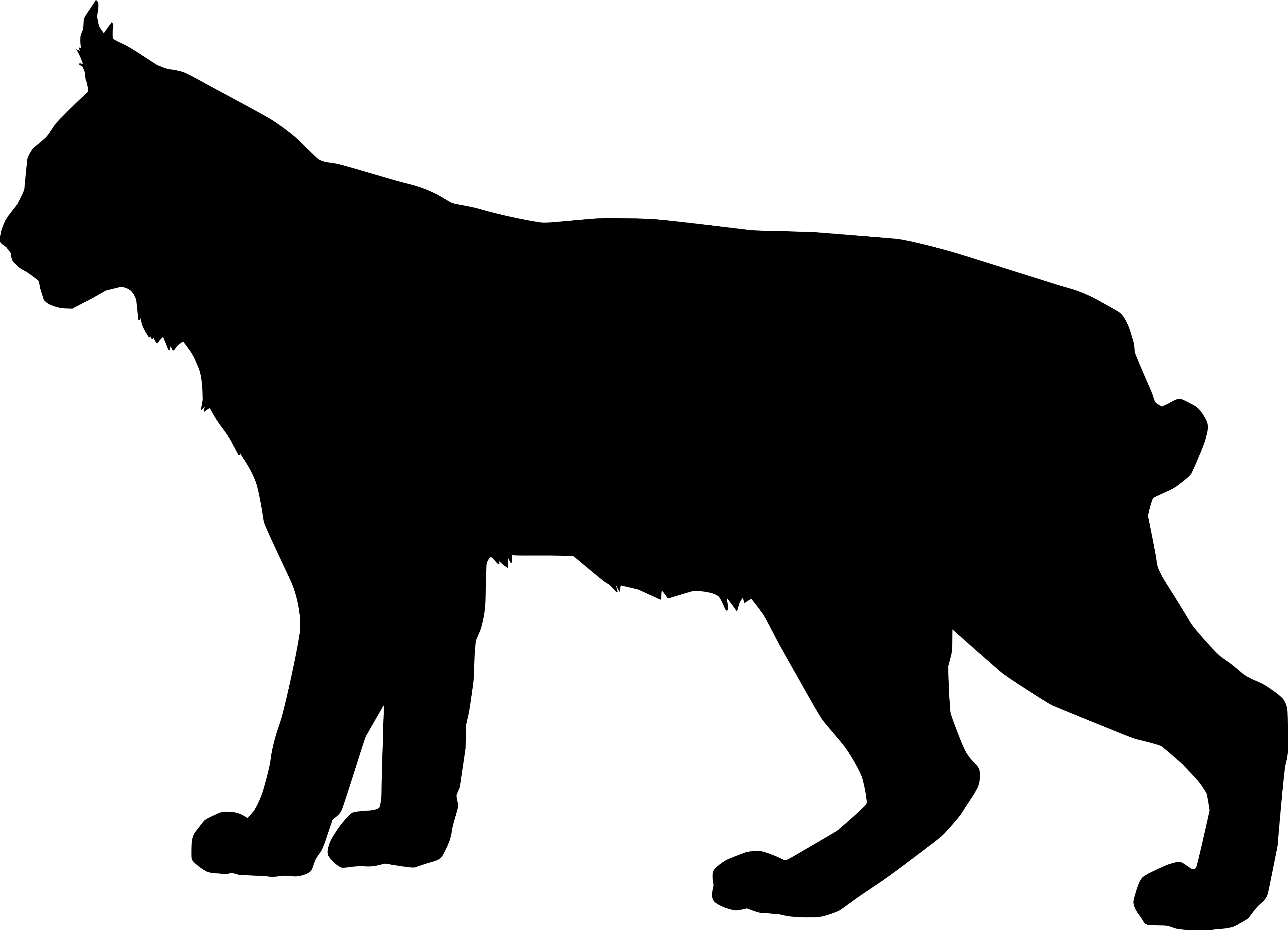
Bobcat in other states

View all states →

More mammals in Maryland in the atlas

Data & sources

The data and visualizations on this page draw on these open sources:

  • GBIFCC-BY 4.0occurrence records behind the range map, elevation, and record counts
  • iNaturalistCC0 / CC-BY / CC-BY-SAobservations, photos, and audio recordings
  • NatureServe ExplorerCC-BYthe state conservation rank
  • IUCN Red Listattributed factthe global conservation status
  • USGS NASpublic domainnative / introduced status
  • Natural Earthpublic domainthe relief basemap
  • USFSpublic domainnational-forest boundaries




