Missouri mammals

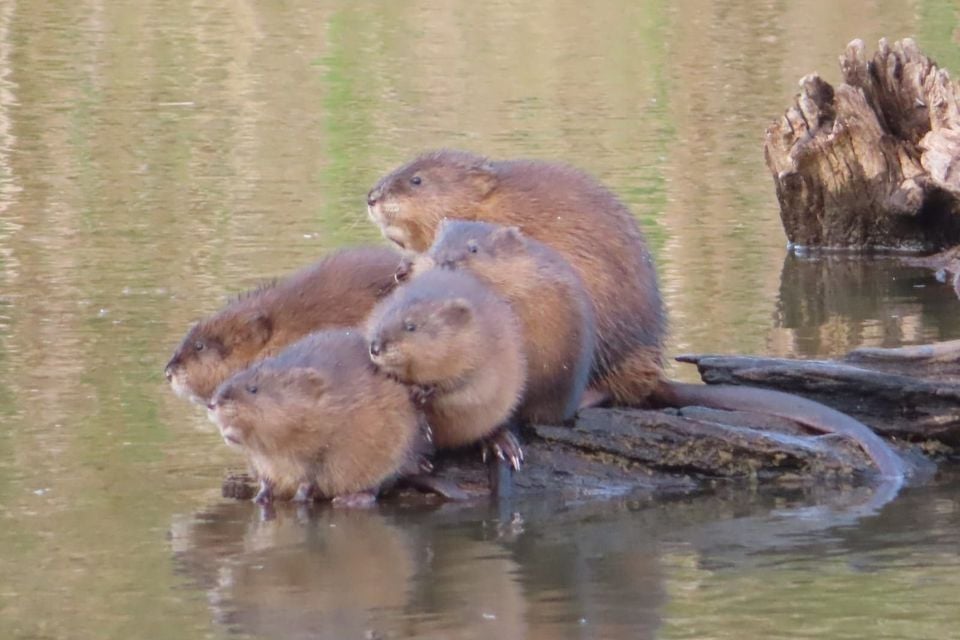
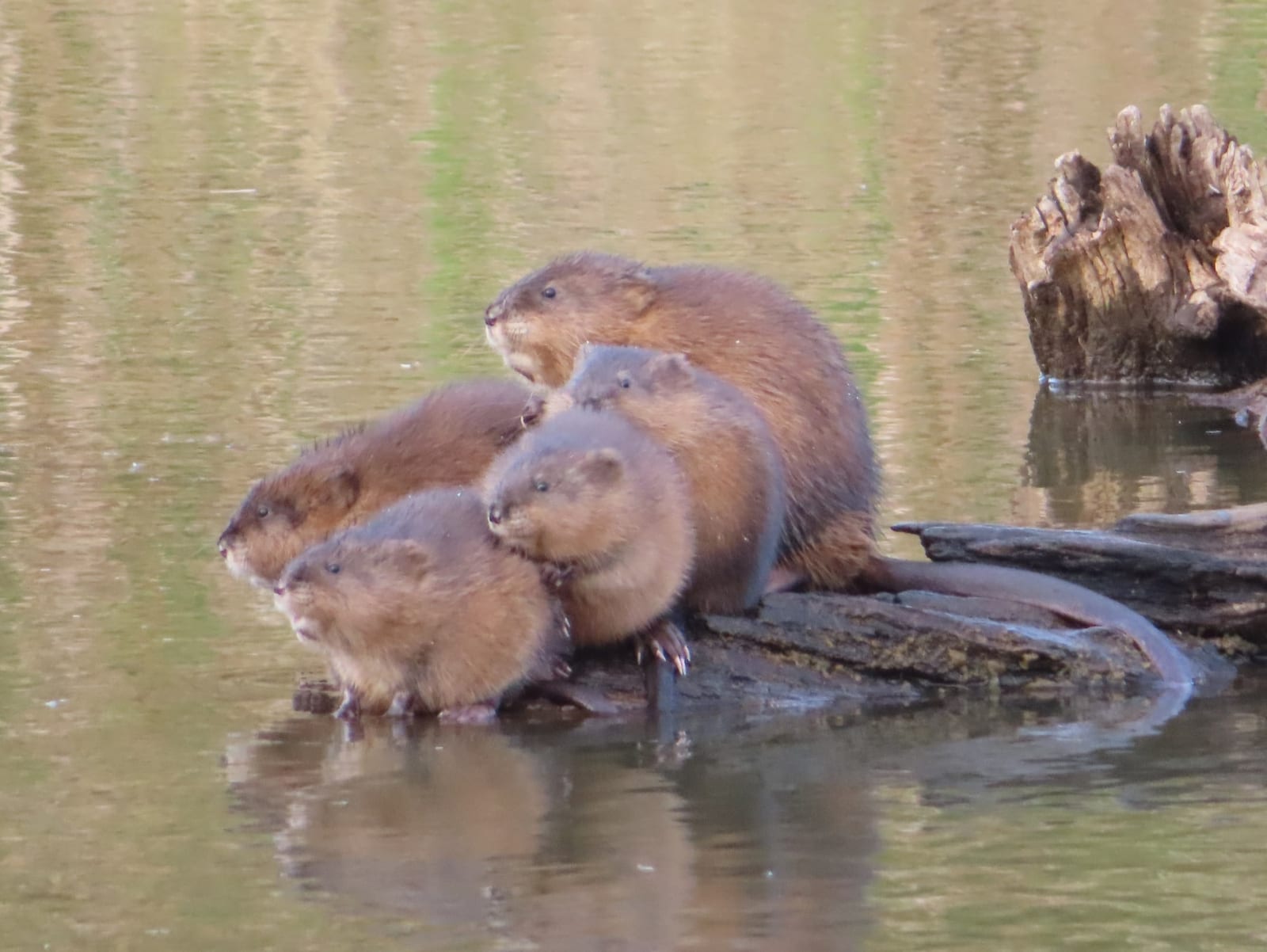
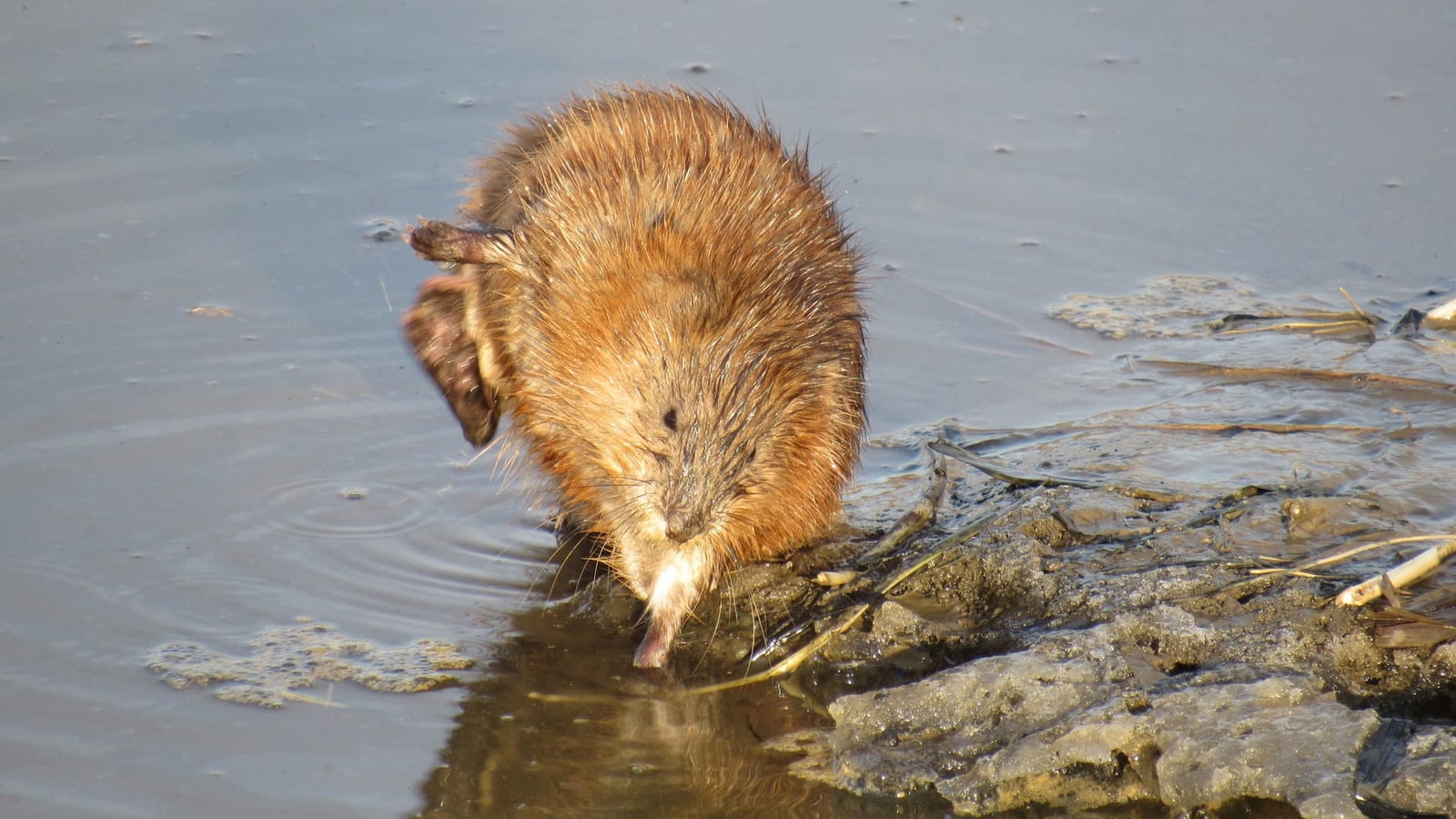
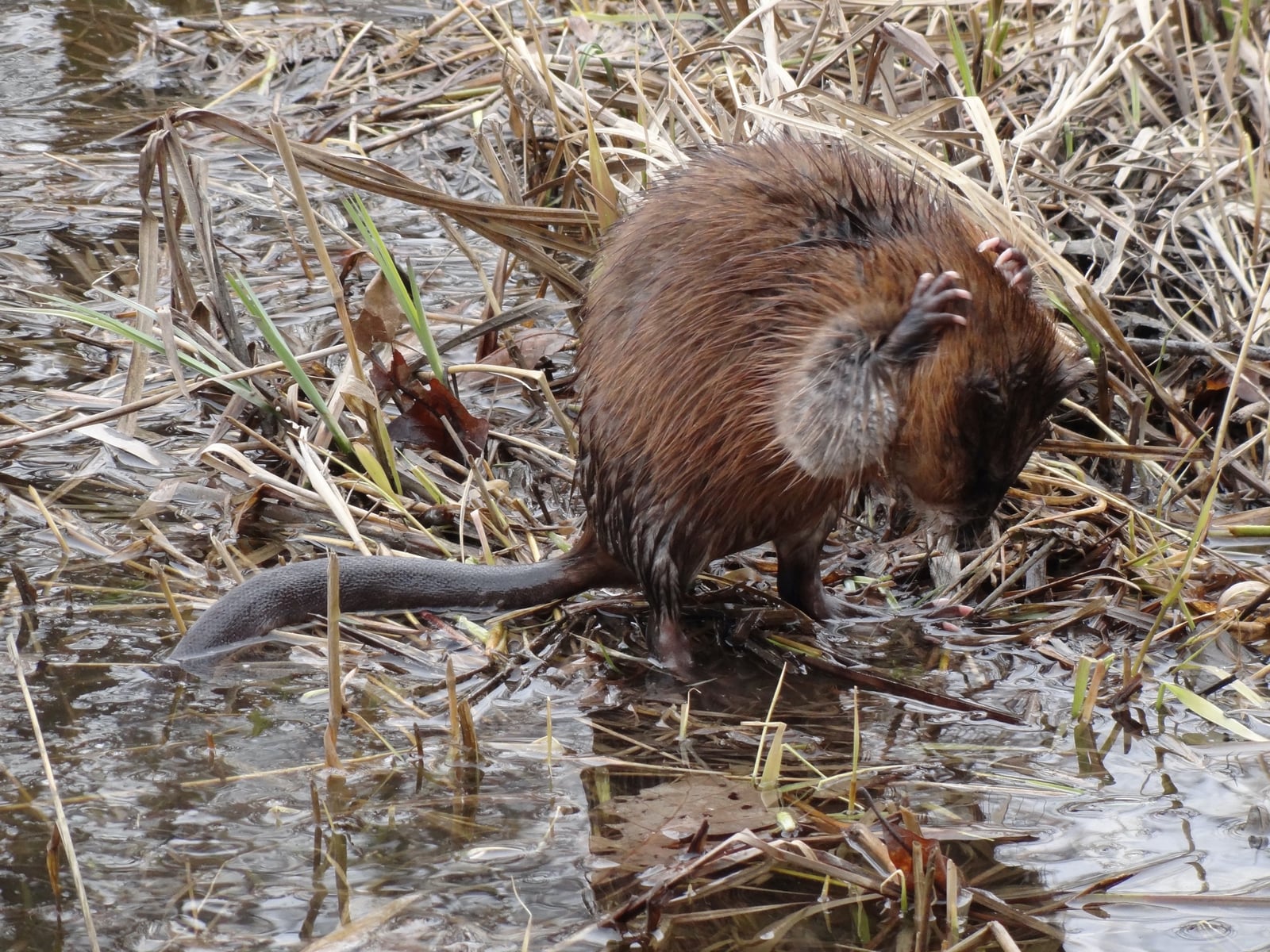
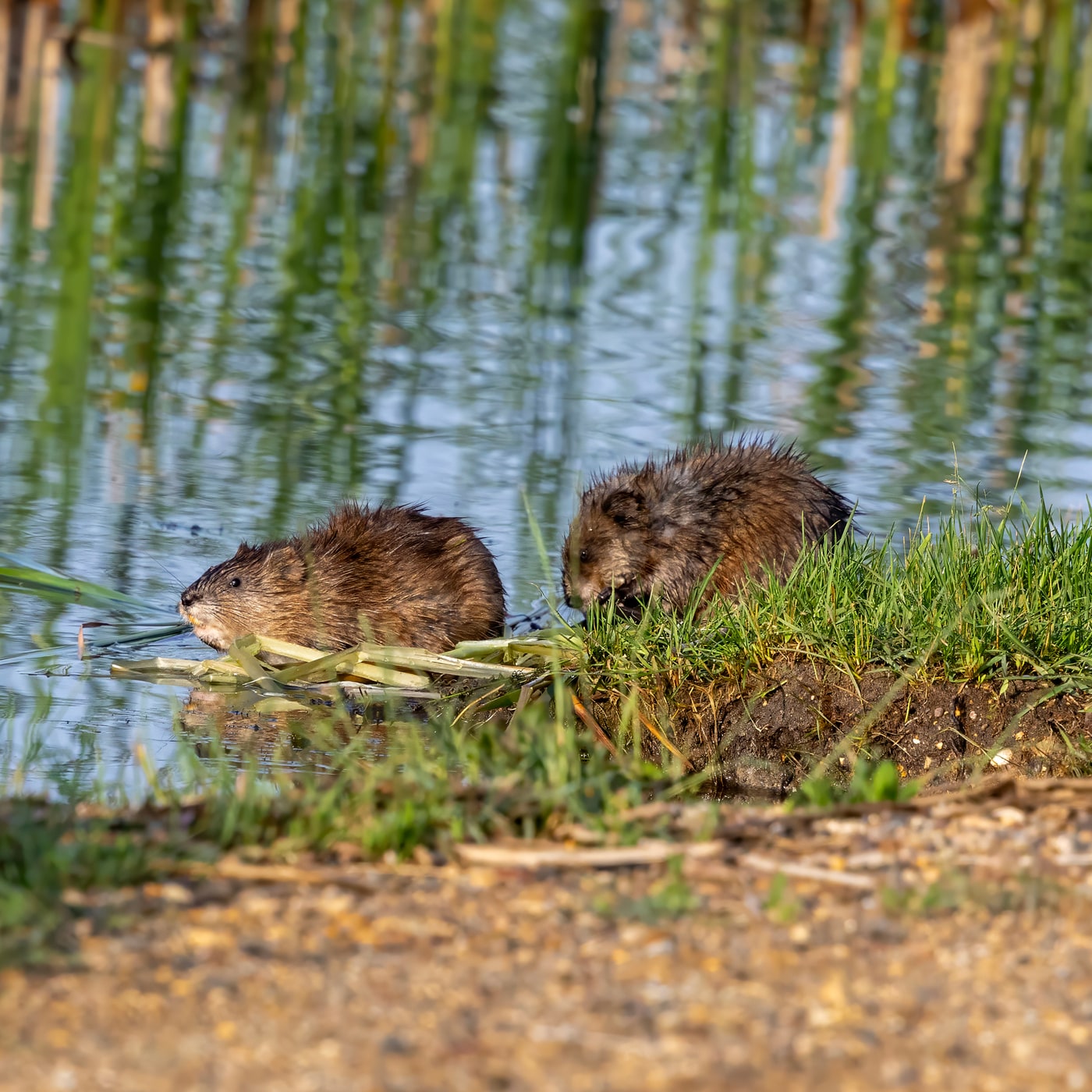
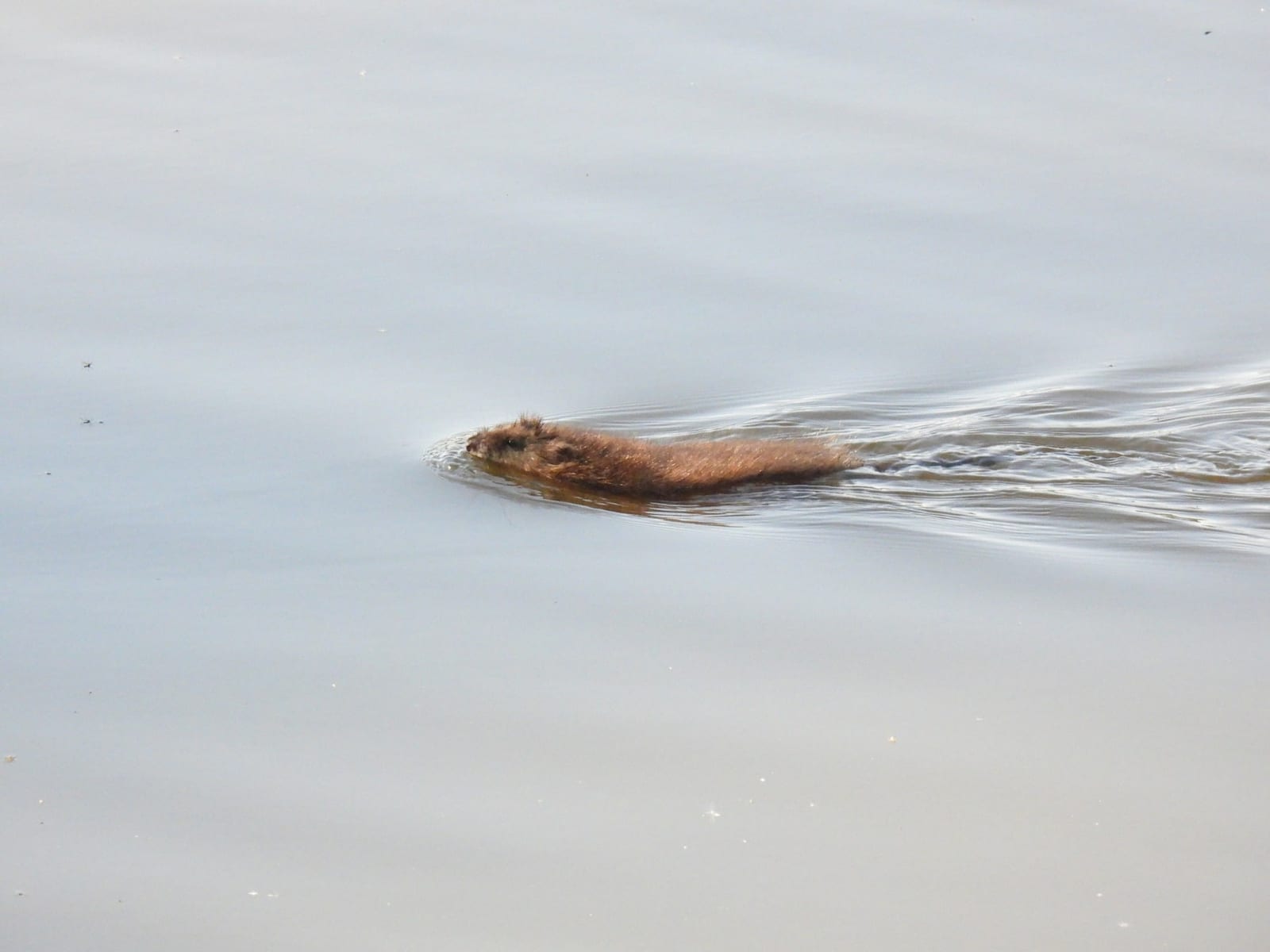
Muskrat in Missouri

Ondatra zibethicus

Native to Missouri S4 Apparently Secure in Missouri

Not listed as nonindigenous in Missouri by USGS NAS; native to its Missouri range.

IUCN Red List status

  1. LC
  2. NT
  3. VU
  4. EN
  5. CR
  6. EW
  7. EX

LC – Least Concern

Widespread and abundant; not at risk.

Muskrat in Missouri, by the numbers

Common in Missouri 14th most recorded of 82 mammals logged in Missouri

358 occurrence records
345 with iNaturalist photos

Records from 2000–2026.

358 total records count every Missouri occurrence from GBIF and iNaturalist; the map plots a georeferenced sample of 300; the monthly chart covers the 356 records with a full observation date.

When to look for the Muskrat in Missouri

Most sightings fall in March to May.

356 Missouri occurrence records (iNaturalist and GBIF) by month of year, 2000–2026. Shows when the species is recorded, not a guarantee of presence.

Monthly Missouri records (table)
MonthRecords
January15
February20
March73
April61
May59
June23
July39
August17
September11
October8
November17
December13

Monthly muskrat occurrence records (iNaturalist and GBIF) in Missouri, 2000–2026.

Seasonality

Year-round in Missouri, with recorded sightings peaking in March–May.

Occurrence map

Where Muskrat has been recorded in Missouri

300 records mapped · zoom and drag to explore

300 Missouri records mapped

Notable places to look

Park, forest, or monumentiNaturalist records
Ozark National Scenic Riverways 4
Mingo National Wildlife Refuge Wilderness Area 3

Protected places with the most muskrat sightings, from the USGS Protected Areas Database plus named mountain ranges, good spots to look, not a full breakdown, so they don't sum to the total.

Where it's recorded in Missouri

CountyRecords
St. Louis County 73
Holt County 60
Boone County 28
St. Charles County 18
Cole County 16
Camden County 14
Greene County 13
Stoddard County 12
Moniteau County 10
Platte County 8
Franklin County 7
Johnson County 6
43 other counties 93

The complete county distribution, spread across 55 Missouri counties. Every occurrence record falls in one county, so these sum to the total. Counties from GBIF and US Census boundaries.

Muskrat trails Missouri’s other common mammals at rank thirteen, with just 247 records overall, a small enough sample that broad claims about the species’ distribution don’t hold up well. Mingo National Wildlife Refuge, Big Oak Tree State Park, and Swan Lake National Wildlife Refuge share the marsh, slough, and river habitat muskrats need to build their dome-shaped lodges and feed on cattails and other aquatic plants.

Records rise sharply each spring, from single digits in January to a March through May peak, then fall back to a low trickle by autumn. That likely tracks when muskrats are most active near open water and visible from trails, rather than any spring surge in numbers. Every record here comes from GBIF, with no iNaturalist entries, and the small total means gaps between months should be read cautiously rather than as a firm seasonal signal.

Occurrence data from iNaturalist and GBIF.

Muskrat in other states

More mammals in Missouri in the atlas

Data & sources

The data and visualizations on this page draw on these open sources:

  • GBIFCC-BY 4.0occurrence records behind the range map, elevation, and record counts
  • iNaturalistCC0 / CC-BY / CC-BY-SAobservations, photos, and audio recordings
  • NatureServe ExplorerCC-BYthe state conservation rank
  • IUCN Red Listattributed factthe global conservation status
  • USGS NASpublic domainnative / introduced status
  • Natural Earthpublic domainthe relief basemap
  • USFSpublic domainnational-forest boundaries
  • USGS Protected Areas Databasepublic domainthe named parks, forests, and refuges behind "notable places to look"