
District of Columbia mammals

Muskrat in DC

Ondatra zibethicus

Native to District of Columbia S4 Apparently Secure in District of Columbia

Not listed as nonindigenous in District of Columbia by USGS NAS; native to its District of Columbia range.

IUCN Red List status

  1. LC
  2. NT
  3. VU
  4. EN
  5. CR
  6. EW
  7. EX

LC – Least Concern

Widespread and abundant; not at risk.

Muskrat in District of Columbia, by the numbers

Common in District of Columbia 10th most recorded of 51 mammals logged in District of Columbia

90 occurrence records
89 with iNaturalist photos
May 13, 2026 Last seen in District of Columbia

Records from 2000–2026.

90 total records count every District of Columbia occurrence from GBIF and iNaturalist; the map plots a georeferenced sample of 89; the monthly chart covers the 89 records with a full observation date.

When to look for the Muskrat in District of Columbia

Most sightings fall in March to June.

89 District of Columbia occurrence records (iNaturalist and GBIF) by month of year, 2000–2026. Shows when the species is recorded, not a guarantee of presence.

Monthly District of Columbia records (table)
MonthRecords
January0
February5
March17
April15
May17
June11
July7
August4
September3
October7
November2
December1

Monthly muskrat occurrence records (iNaturalist and GBIF) in District of Columbia, 2000–2026.

Seasonality

Year-round in District of Columbia, with recorded sightings peaking in March–June.

Occurrence map

Where Muskrat has been recorded in District of Columbia

89 records mapped · zoom and drag to explore

88 District of Columbia records mapped

Notable places to look

Park, forest, or monumentiNaturalist records
National Capital Parks 51
Rock Creek Park 6
the Anacostia River 2
Chesapeake and Ohio Canal National Historical Park 1

Protected places with the most muskrat sightings, from the USGS Protected Areas Database plus named mountain ranges, good spots to look, not a full breakdown, so they don't sum to the total.

Where it's recorded in District of Columbia

CountyRecords
District of Columbia County 86
Other localities 4

The complete county distribution, spread across 1 District of Columbia counties. Every occurrence record falls in one county, so these sum to the total. Counties from GBIF and US Census boundaries.

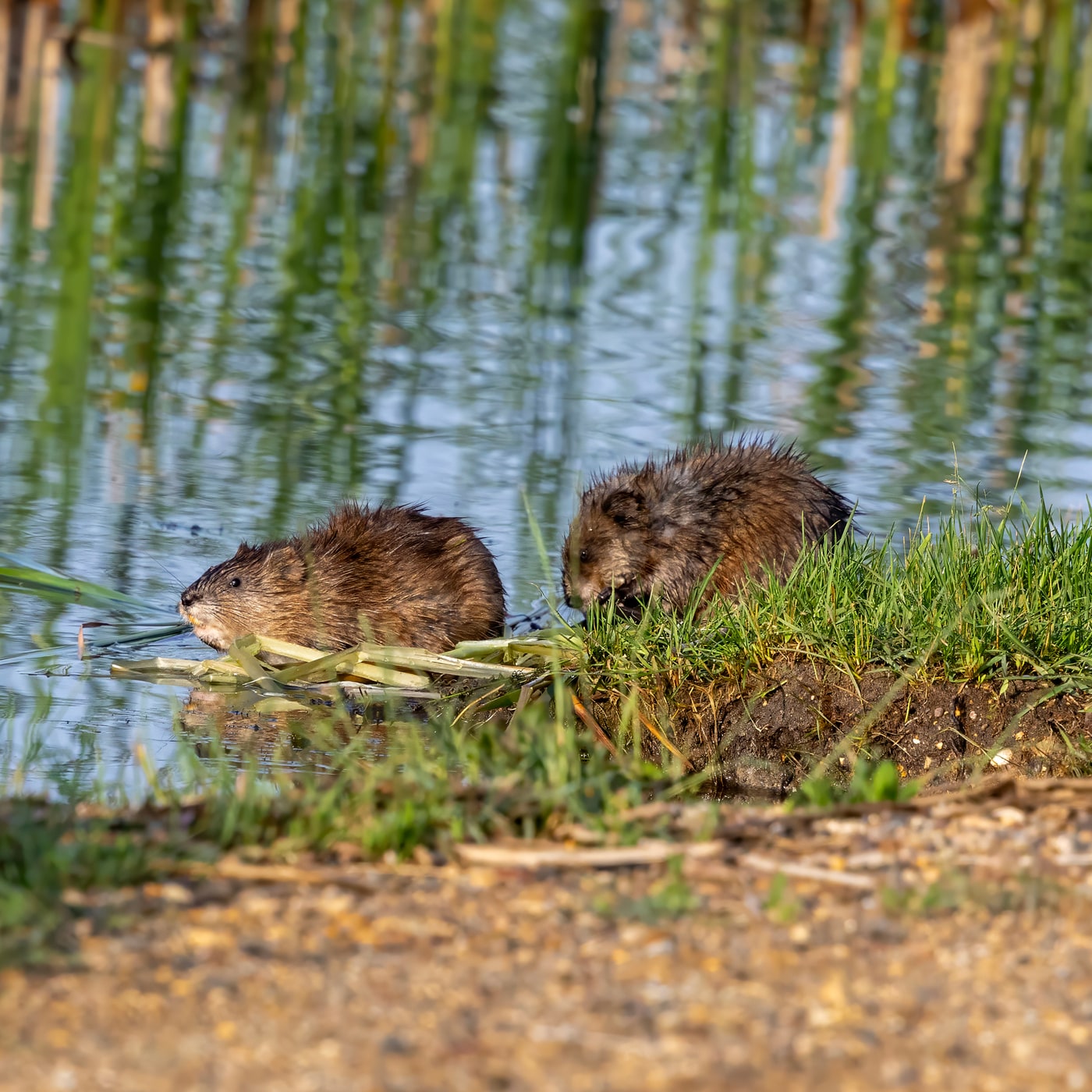
Muskrat reports concentrate at Kenilworth Park and Aquatic Gardens, a wetland built around cattails and shallow ponds, and along the Anacostia River, Anacostia Park, and Theodore Roosevelt Island’s marshy fringes. Those are exactly the cattail-and-soft-bank habitats this species depends on, and DC has more of that habitat than its urban reputation suggests.

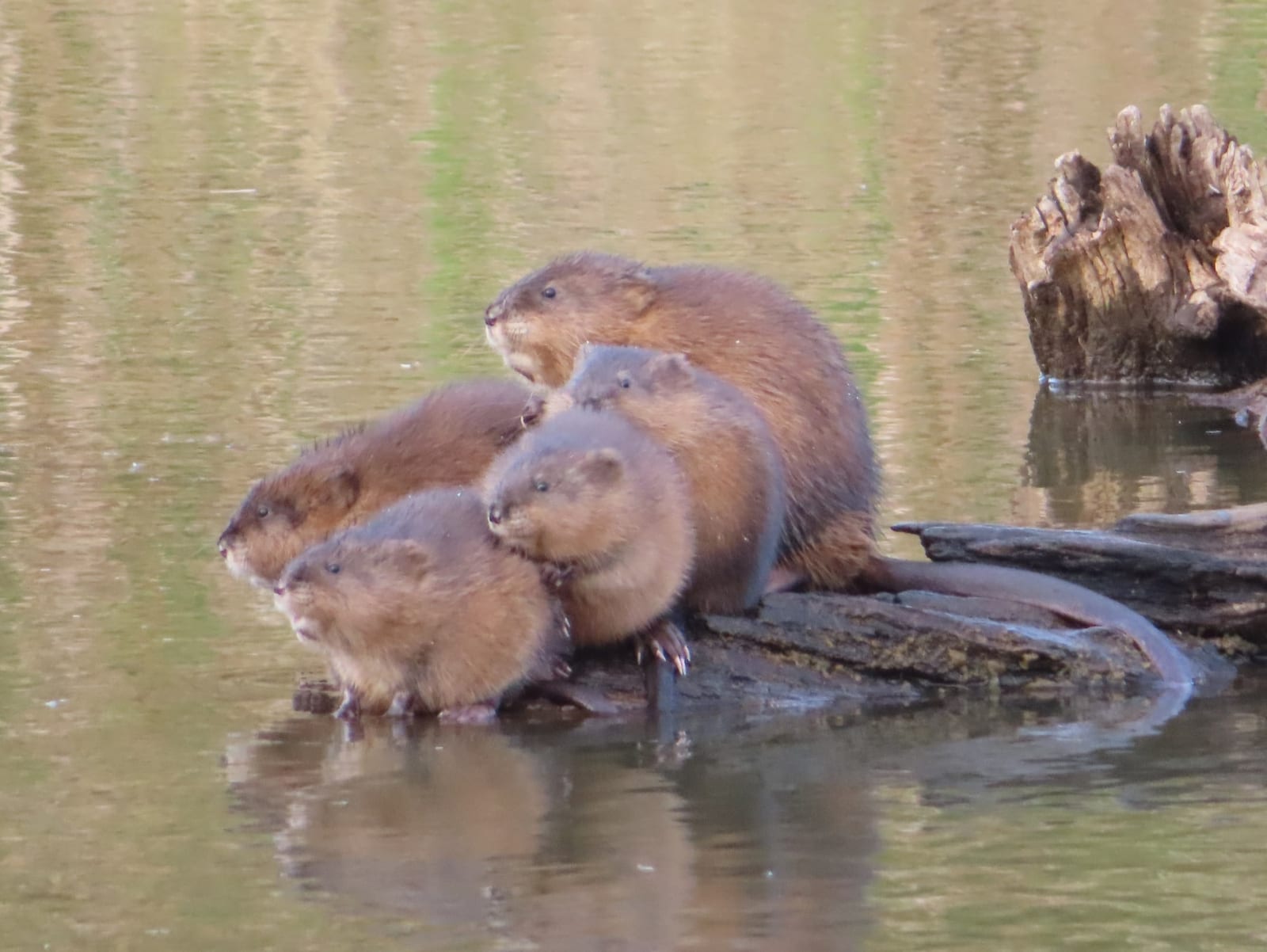
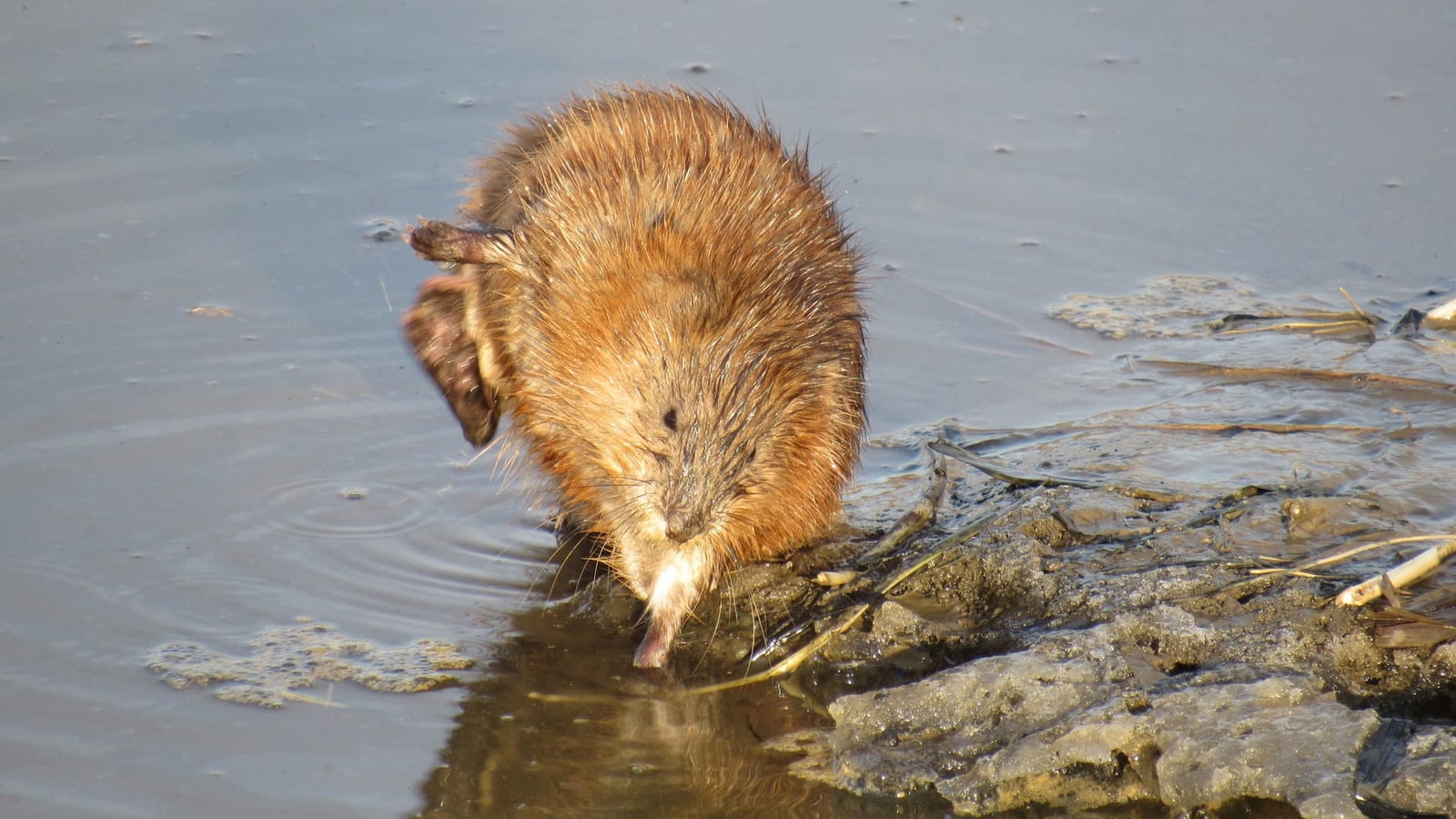
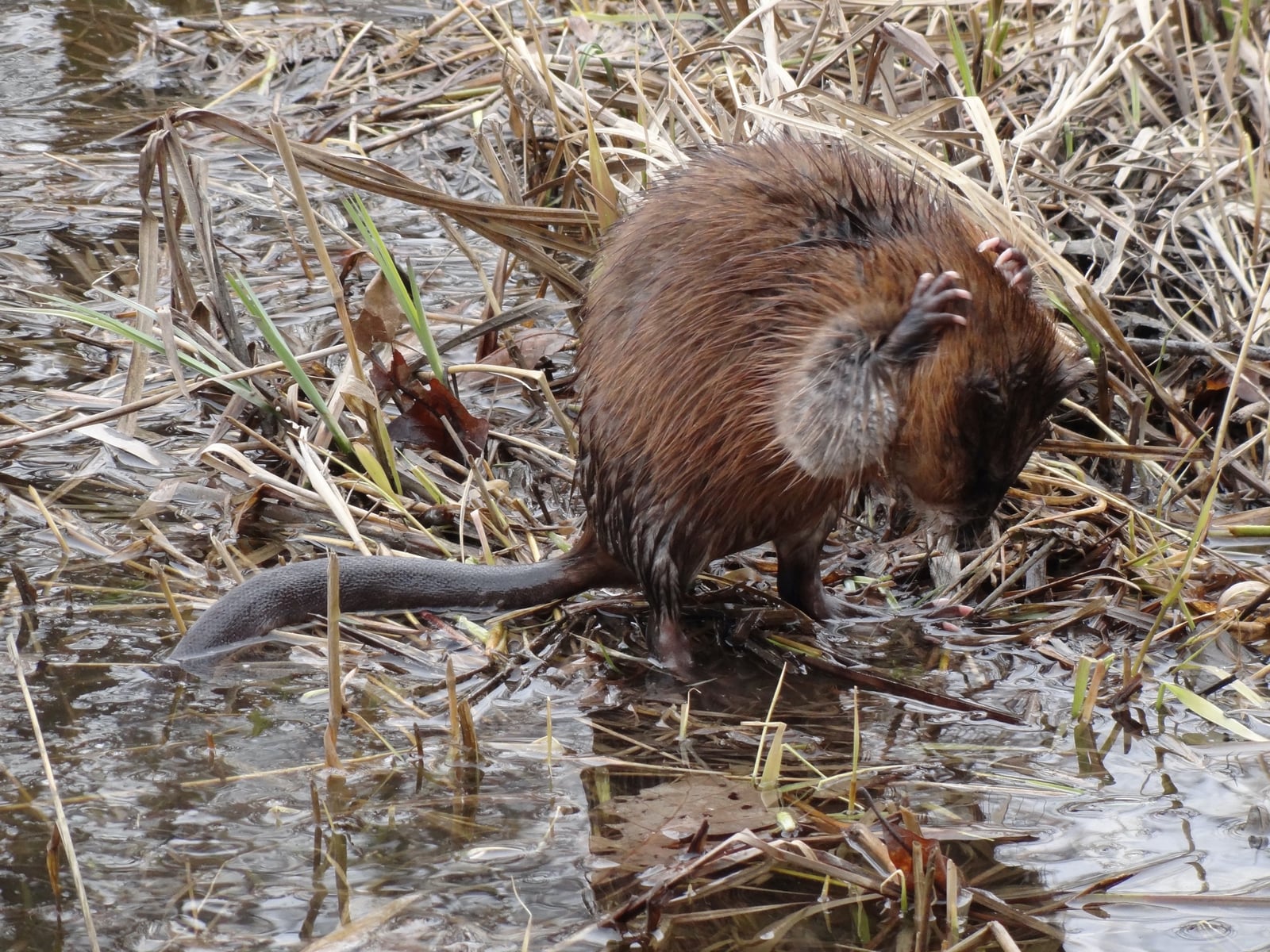
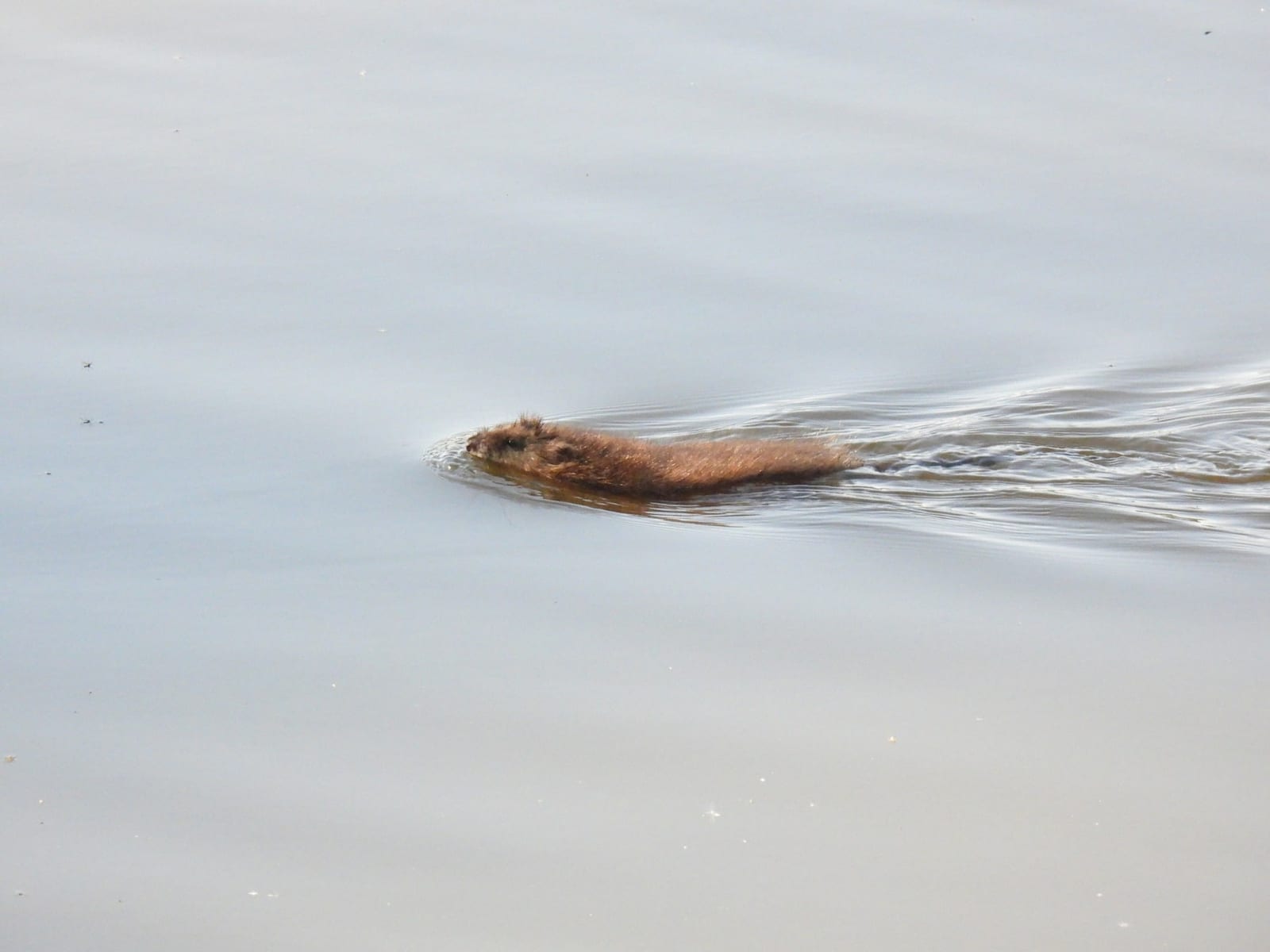
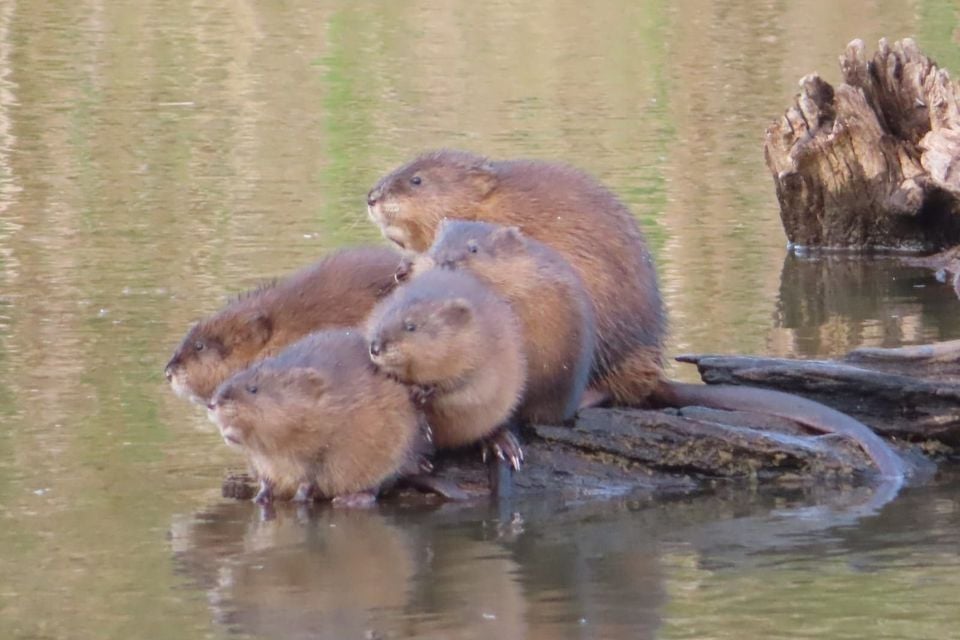
A muskrat is a housecat-sized wetland specialist, easy to tell apart from a beaver or a river otter by its long, scaly, side-flattened tail. It cuts and eats wetland plants like cattails and sedges, builds bank burrows or above-water lodges, and stays close to shorelines rather than ranging far from water.

Records here appear at a fairly steady pace with a spring peak in April and May, and this is one of the more frequently recorded mammals in the district’s dataset. That likely reflects Kenilworth’s status as a well-watched wetland as much as it reflects the muskrat’s real numbers.

Occurrence data from iNaturalist and GBIF.

Muskrat in other states

More mammals in District of Columbia in the atlas

Data & sources

The data and visualizations on this page draw on these open sources:




