
The western meadow vole is the recently split meadow vole of western and northern North America, a small grassland rodent whose name hides a complicated identity. For many years it was treated as part of the eastern meadow vole, Microtus pennsylvanicus. Genetic work now separates Microtus drummondii as its own species, which makes the national story less about one familiar “meadow mouse” and more about a northern, wet-cover vole that reaches into the Great Plains, upper Midwest, Rocky Mountain states, Pacific Northwest, Alaska, and western Canada.
In the United States, records cluster most strongly in the northern plains and upper Midwest, with additional populations in wet mountain meadows and streamside corridors farther west. That pattern fits the animal better than a simple western label. A western meadow vole is not a desert rodent or a general house-mouse lookalike. It is built for grass, sedges, snow cover, and the damp edges where a low, rounded body can move unseen.
Why this vole is easy to misname
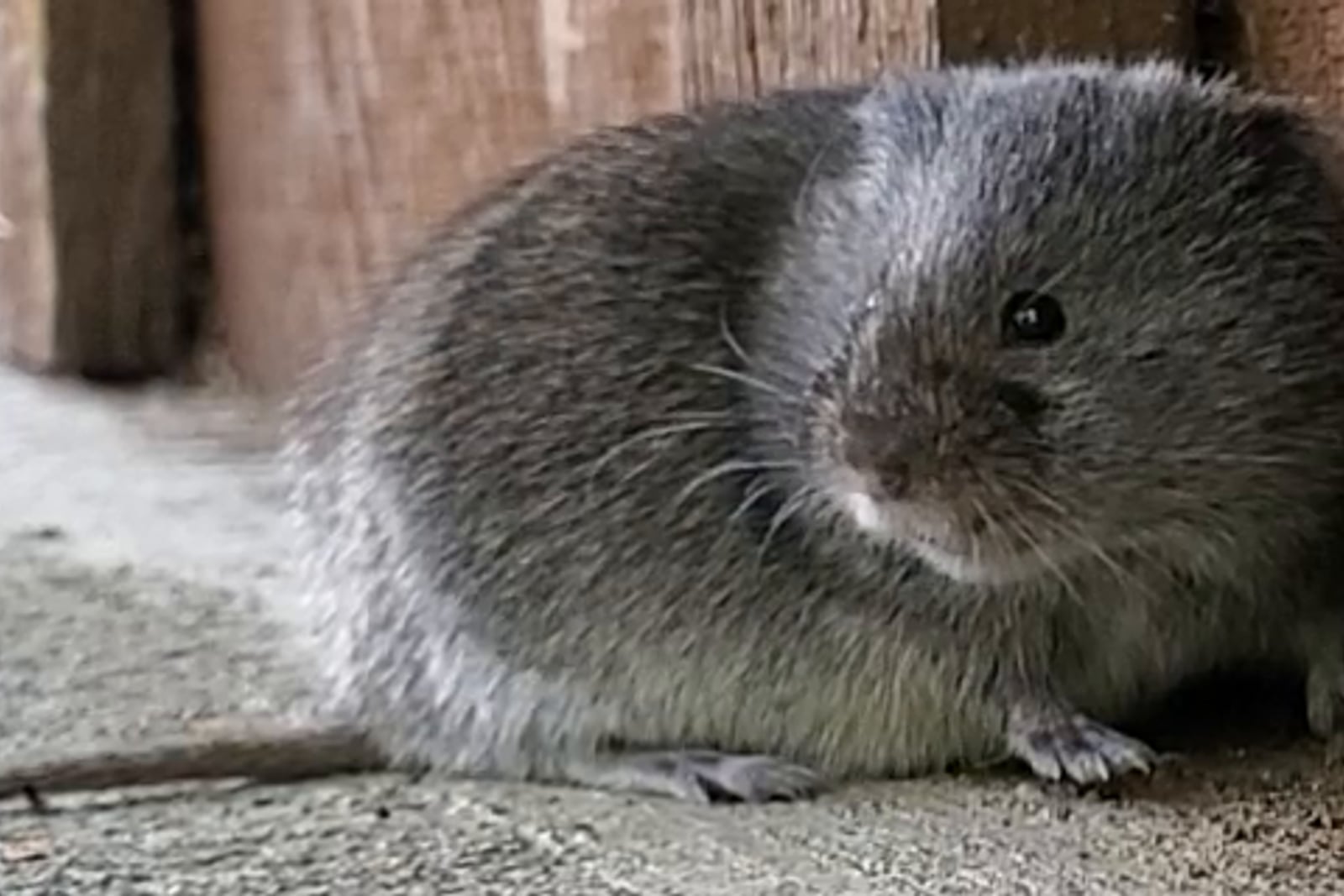
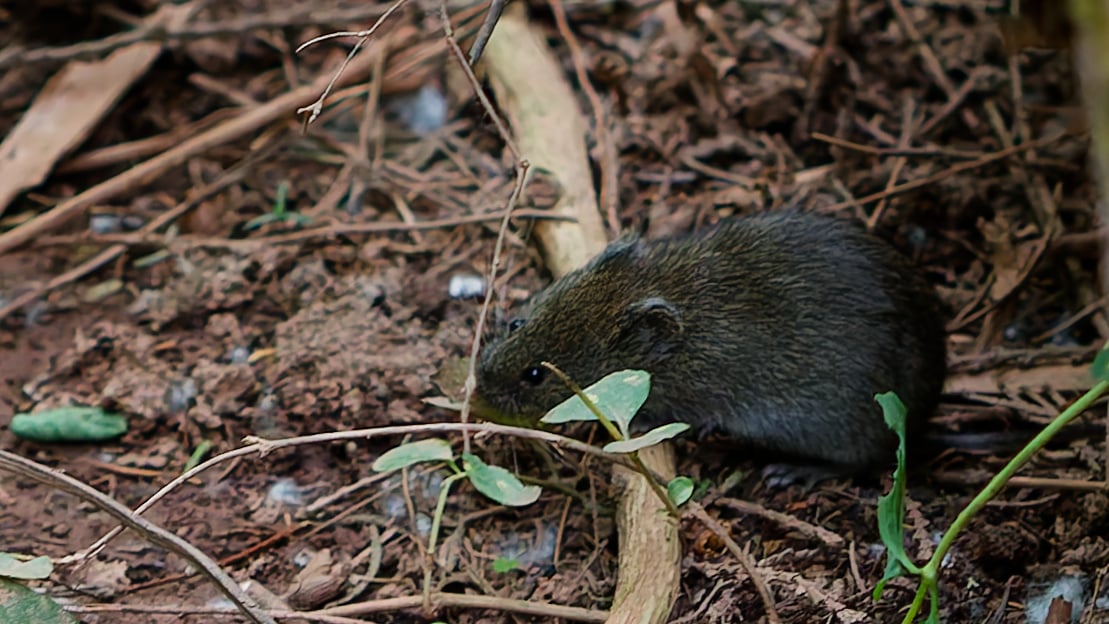
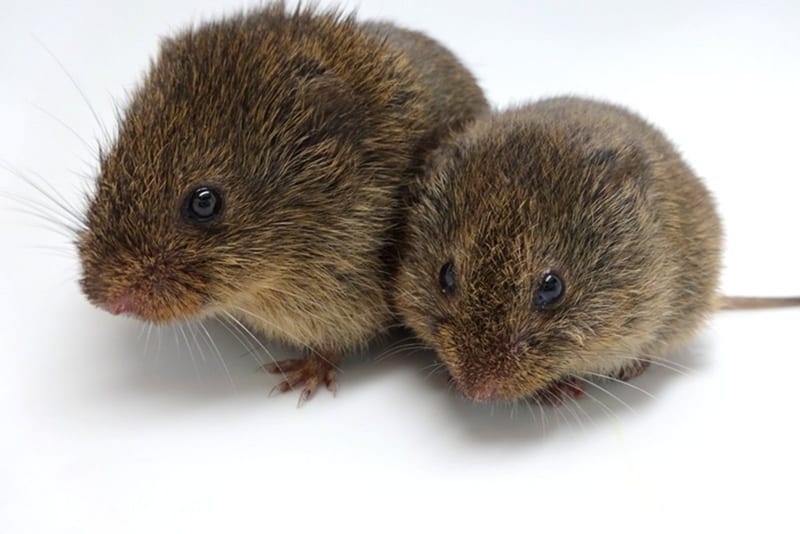
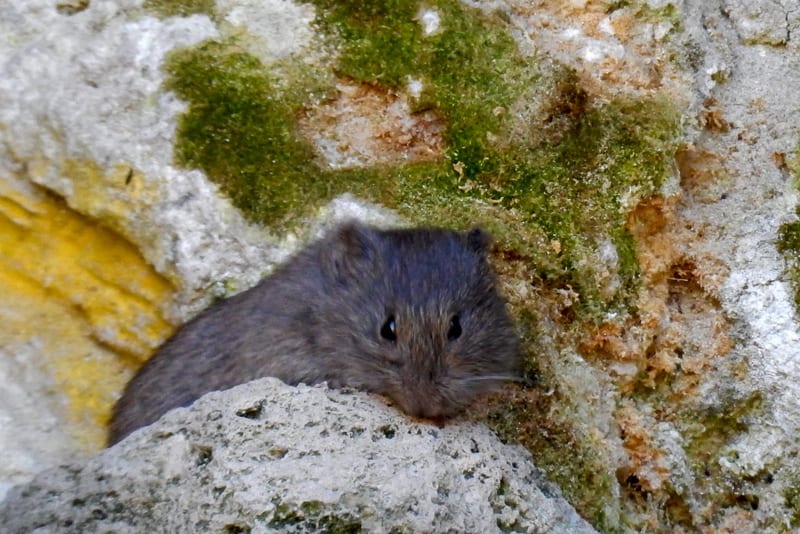
“Field mouse” and “meadow mouse” are old names for several small rodents, and both can lead readers in the wrong direction. Western meadow voles are not true mice. They have the typical vole shape: a blunt face, small ears partly hidden in fur, compact legs, and a body that looks barrel-shaped rather than long and springy. The tail is short compared with a deer mouse, but long enough to matter when comparing it with other voles. That’s only part of the picture.
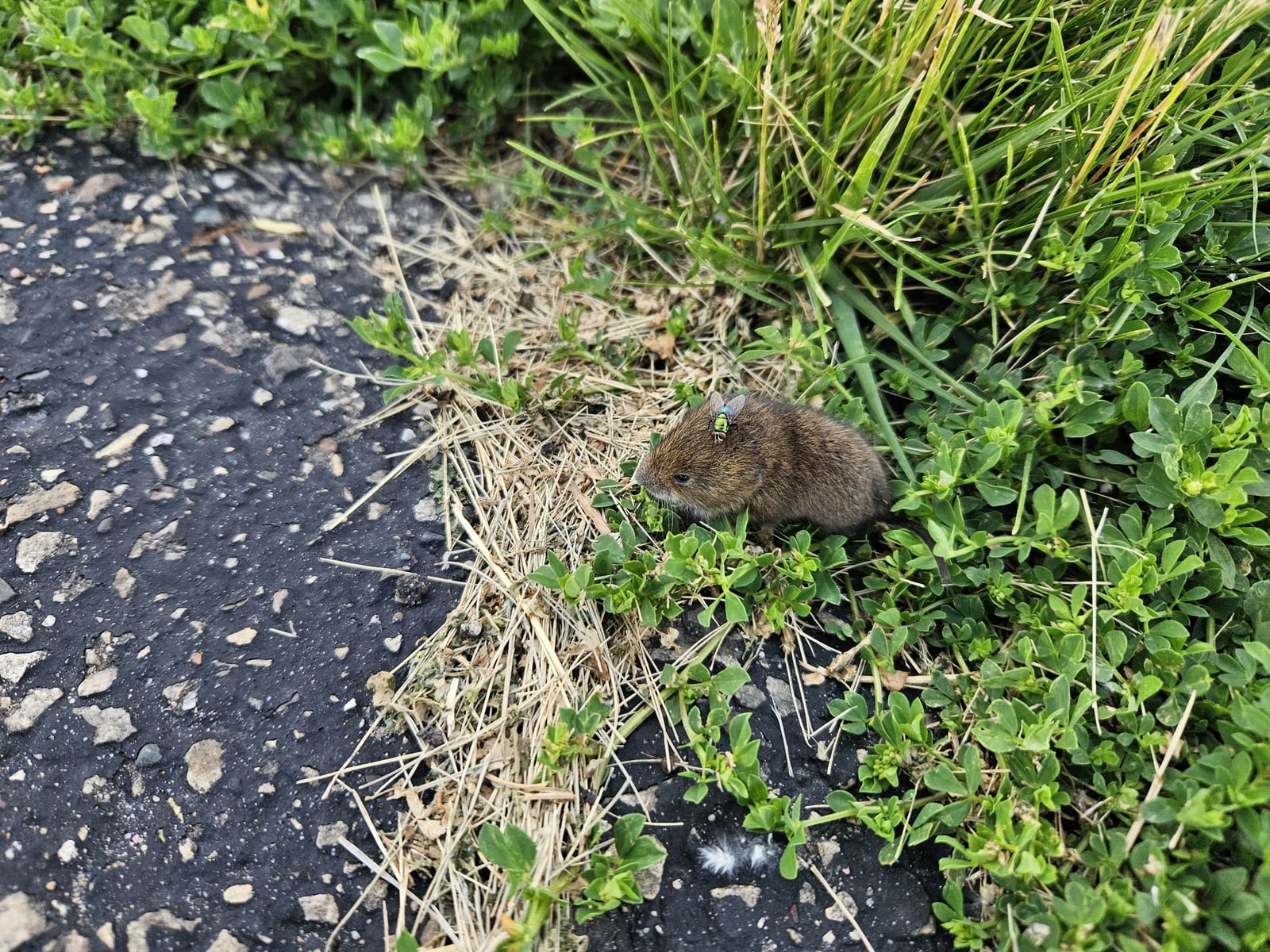
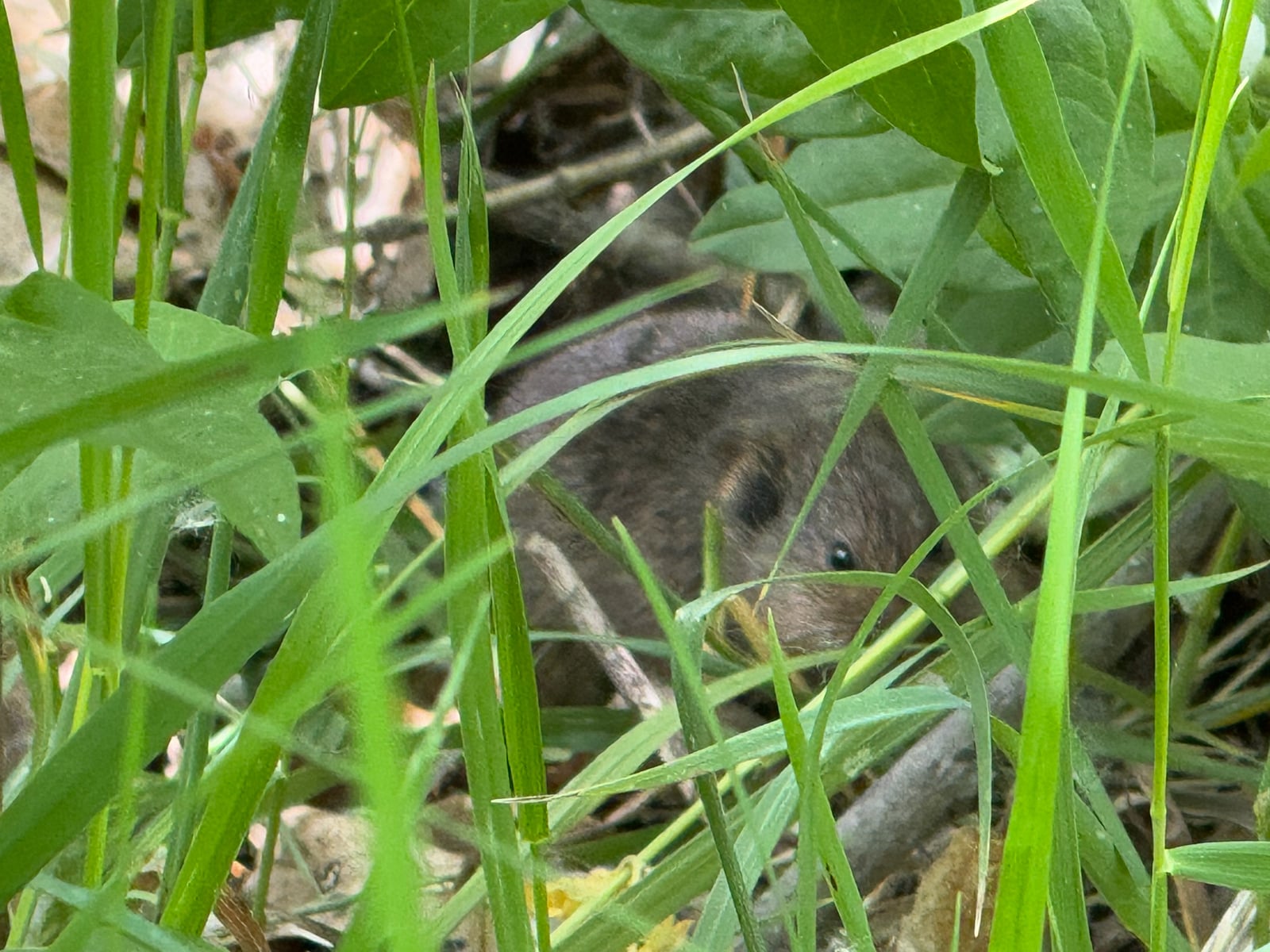
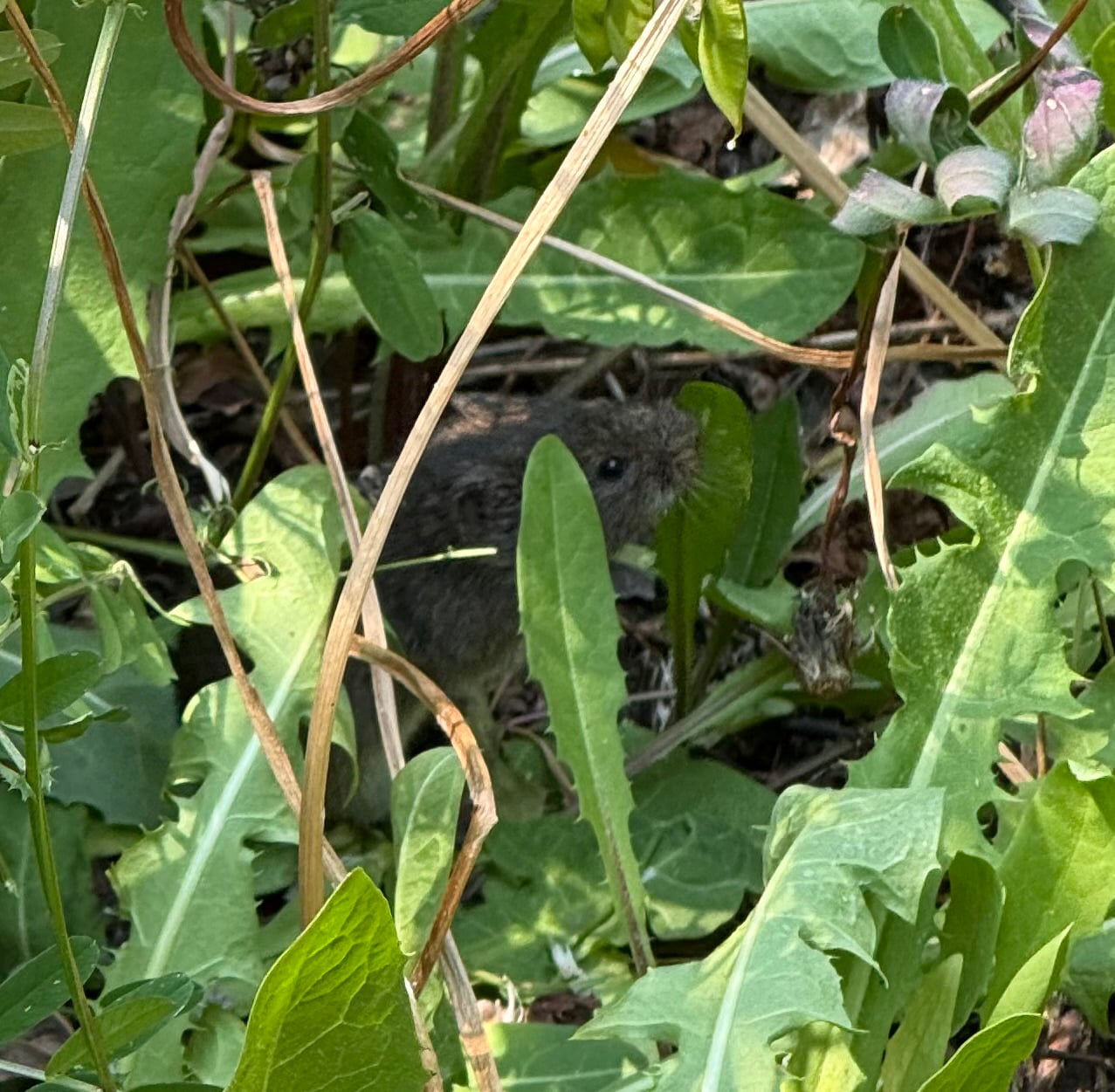
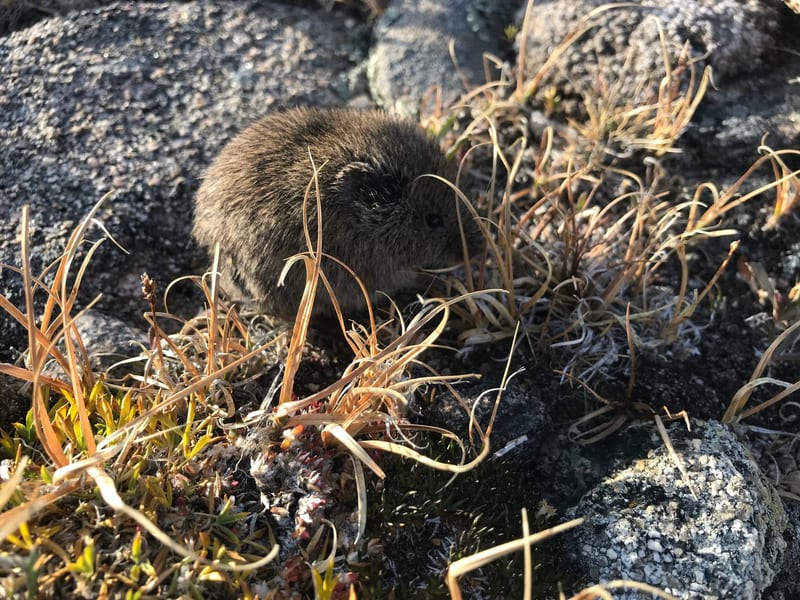
Color is useful but not absolute. Most western meadow voles look dark gray-brown to brown above, with grizzled guard hairs and paler grayish underparts. The animal often appears darker and more uniform than a prairie vole, less elongated than a long-tailed vole, and less chunky than a montane vole in many views. In grass, the quickest clue is posture: a western meadow vole moves low through stems, pauses with only the head and shoulders exposed, then vanishes into the runway layer instead of bounding in the open like a mouse.
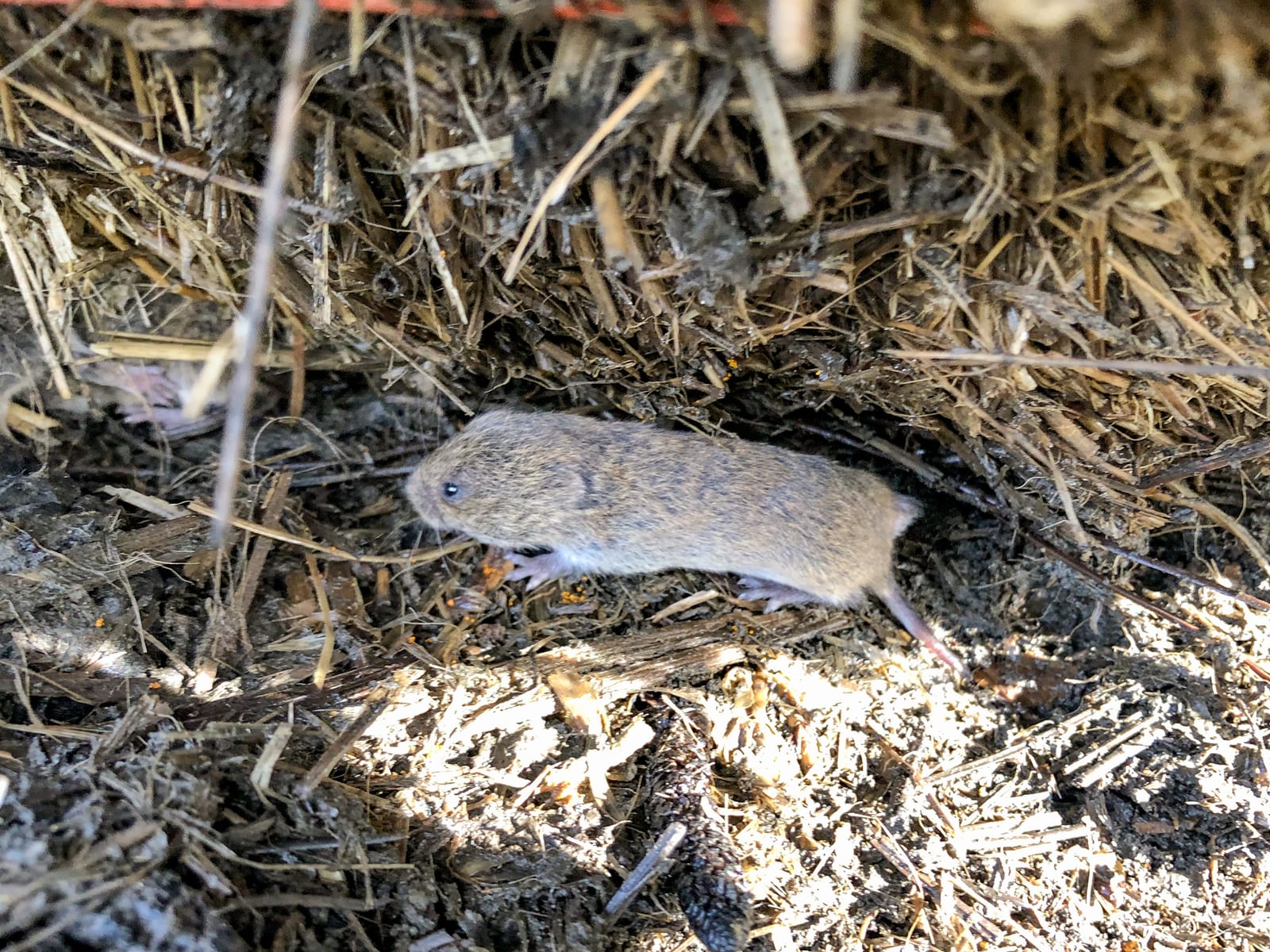
Wet grass, northern fields, and mountain edges
The species favors dense ground cover: wet meadows, sedge marshes, grassy stream edges, streamside thickets, hayfields, weedy field margins, and open patches near mixed conifer or subalpine forest. The important feature is not pristine wilderness. It is a protected mat of living and dead stems where the vole can build surface runways, feed without crossing bare ground, and stay close to shelter.
That need for cover explains the patchy national range. In North Dakota and parts of the upper Midwest, suitable meadow and wetland edges can stretch across broad lowland landscapes. In the Rockies and interior West, the same vole becomes more tied to elevation, drainage, and snow-holding meadows. In Alaska and the northern tier, cool conditions let it use lower, wetter openings that would be too dry or exposed farther south.
Western meadow voles are active by day as well as around twilight and night, but the visible activity is only a fraction of the routine. Much of their life happens inside grass tunnels, under leaf litter, beneath snow, or at the lip of small burrow entrances. A person may notice clipped stems, narrow lanes through thatch, small droppings, or a brief brown shape crossing a path before ever seeing a full animal.
Life under snow
Winter does not shut meadow voles down. Snow can make life easier by sealing a cold but stable space over the ground. Under the snowpack, voles move through subnivean tunnels, clip stems, chew bark at the bases of shrubs and young trees, and avoid many aerial predators. When snow melts, those winter roads can appear as pale, braided tracks through flattened grass.
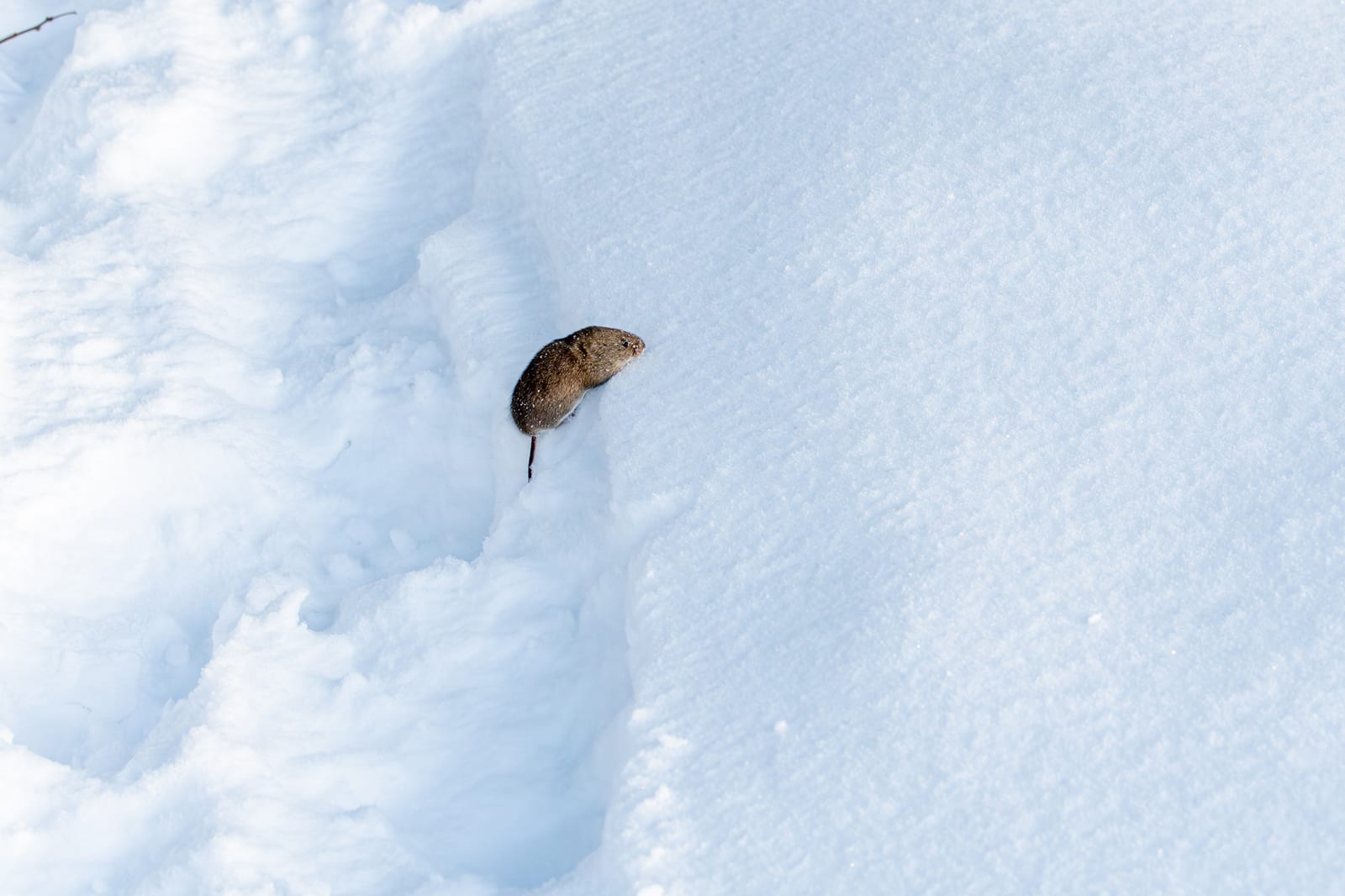
The same hidden travel system can create friction with people. In lawns, orchards, shelterbelts, or young plantings, voles may girdle stems or leave winding runway marks after snowmelt. In a natural meadow, that clipping and tunneling is part of the system. It opens tiny paths through dense vegetation, recycles plant material, and concentrates vole scent and movement for predators.
A fast life in a dangerous meadow
Western meadow voles live on plant growth. Grasses, sedges, forbs, roots, seeds, and tender shoots make up the core diet, with bark and stored plant material becoming more important when green food is scarce. Because they feed low and often in cover, they can turn dense vegetation into both food and shelter.
The price of that lifestyle is constant predation. Coyotes, red foxes, weasels, hawks, owls, shrikes, kestrels, snakes, and domestic cats all take voles when they can. The species survives by reproducing quickly rather than by living long. Breeding can begin early in the warm season and continue while food and cover remain favorable. Females can raise multiple litters in a good year, and local numbers can rise sharply in productive grass before predators, flooding, mowing, drought, or winter conditions bring them back down.
Those swings are not a defect in the species. They are one reason meadow voles matter. A good vole year can feed nesting raptors, wintering owls, fox kits, coyotes, and weasel-family animals. A poor vole year can push predators toward other prey or longer hunting ranges. In wet northern grasslands, a western meadow vole is less a background rodent than a small engine moving plant energy into the rest of the food web.
Conservation status and what the split changes
The western meadow vole is not currently treated as a major conservation emergency in the United States, but its taxonomy is still catching up across databases and field references. Some records, older range descriptions, and older natural-history accounts still sit under the eastern meadow vole name. That matters because a split species needs its own range, status, and habitat picture rather than inherited assumptions from a broader former complex.
Across its range, the main local pressure is loss or simplification of dense ground cover. Drained wetlands, repeated close mowing, heavy grazing, channelized stream edges, and conversion of meadow to bare or built surfaces can remove the runway layer that makes vole life possible. The species can use disturbed grassy places when cover remains, so it is not limited to untouched habitat. It does, however, need the ground to stay complicated.
A western meadow vole seen well is a compact animal with a blunt face, small ears, dark grizzled coat, and a habit of slipping through wet grass rather than crossing open ground. Seen poorly, it becomes one more brown blur in a meadow. That is exactly the point: this is a vole shaped by concealment, short lives, fast breeding, and the dense northern vegetation that hides it from almost everything that wants to eat it.




