
Plains Harvest Mouse

Reithrodontomys montanus

LCLeast Concern

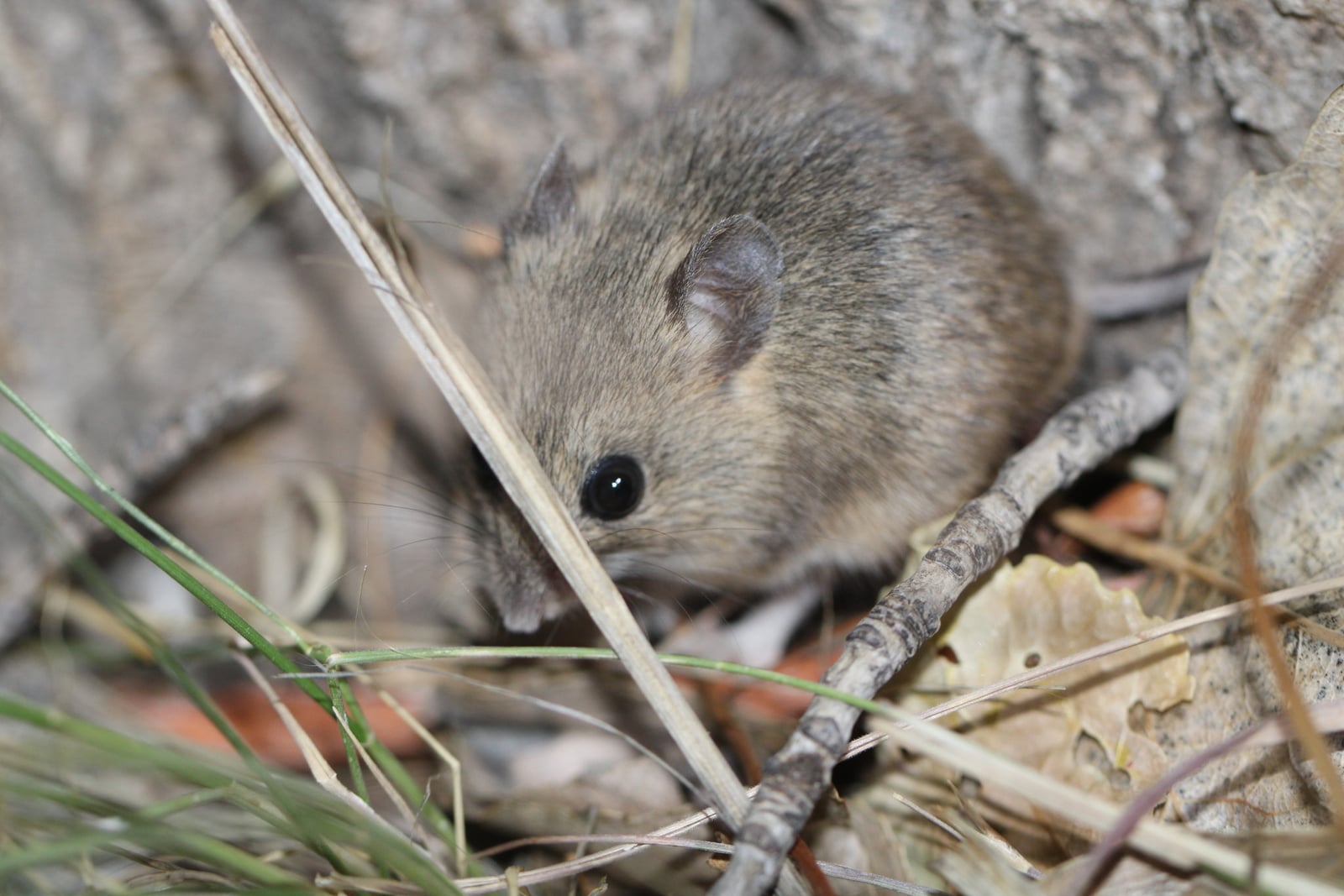
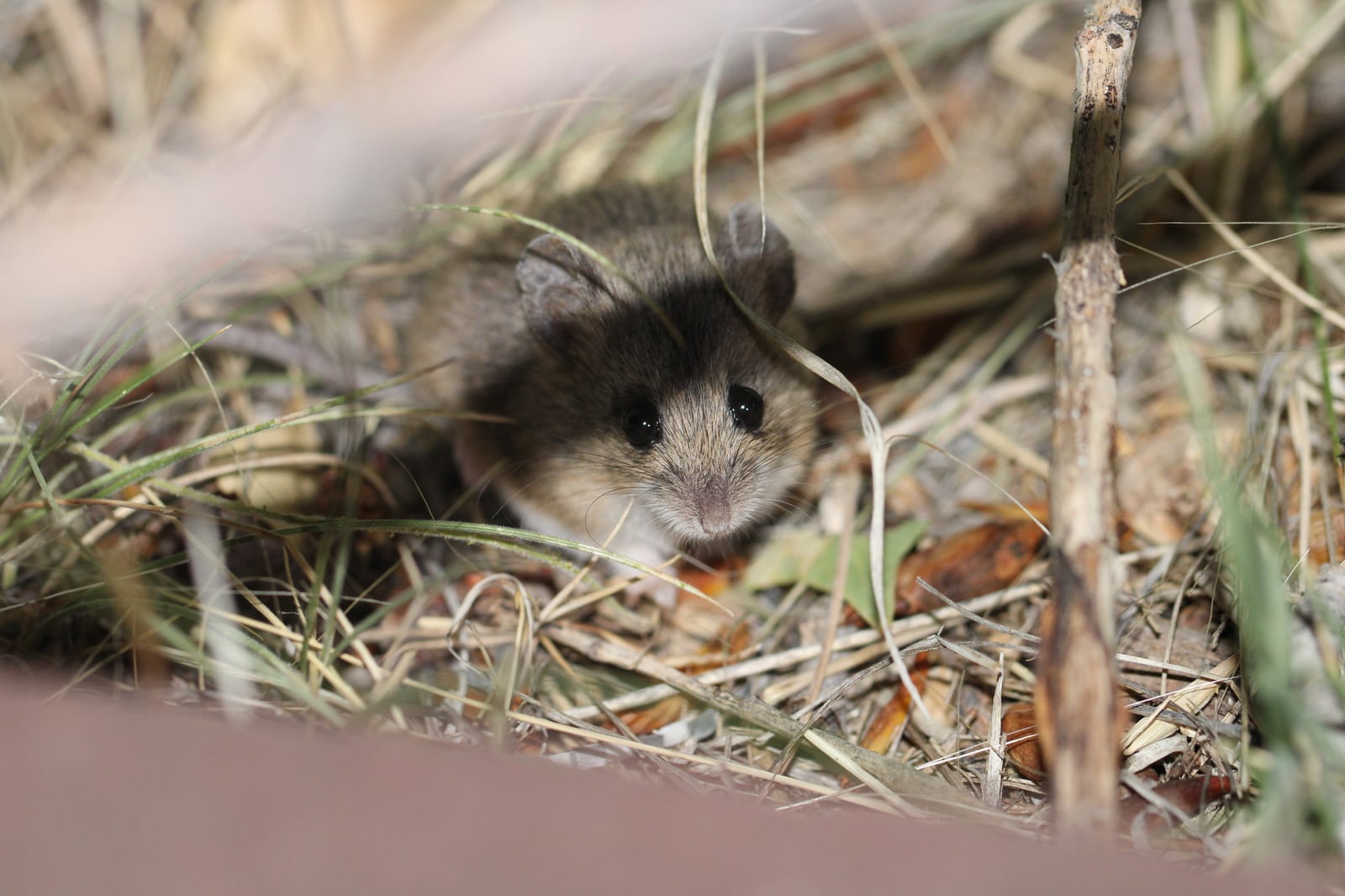
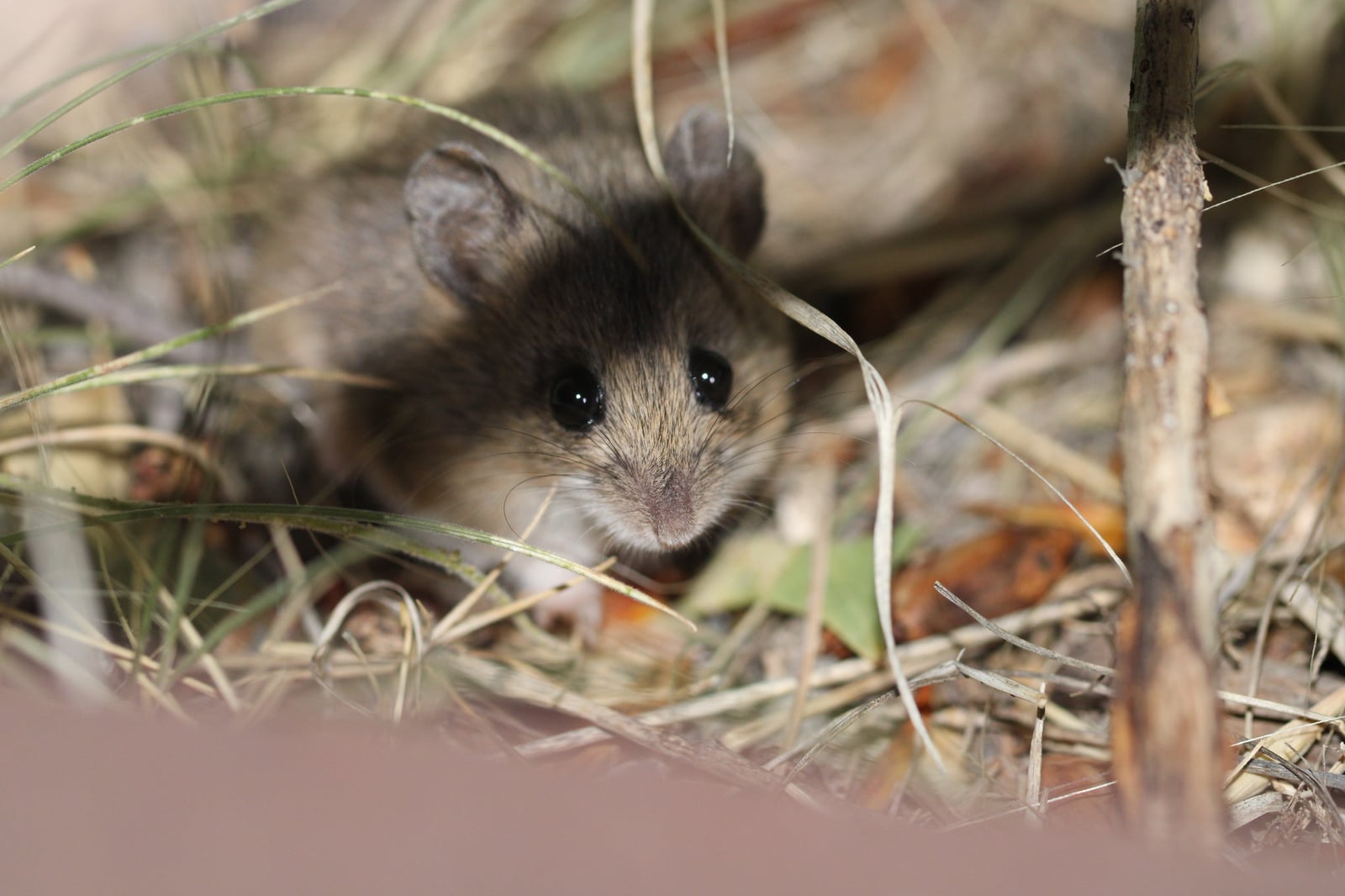
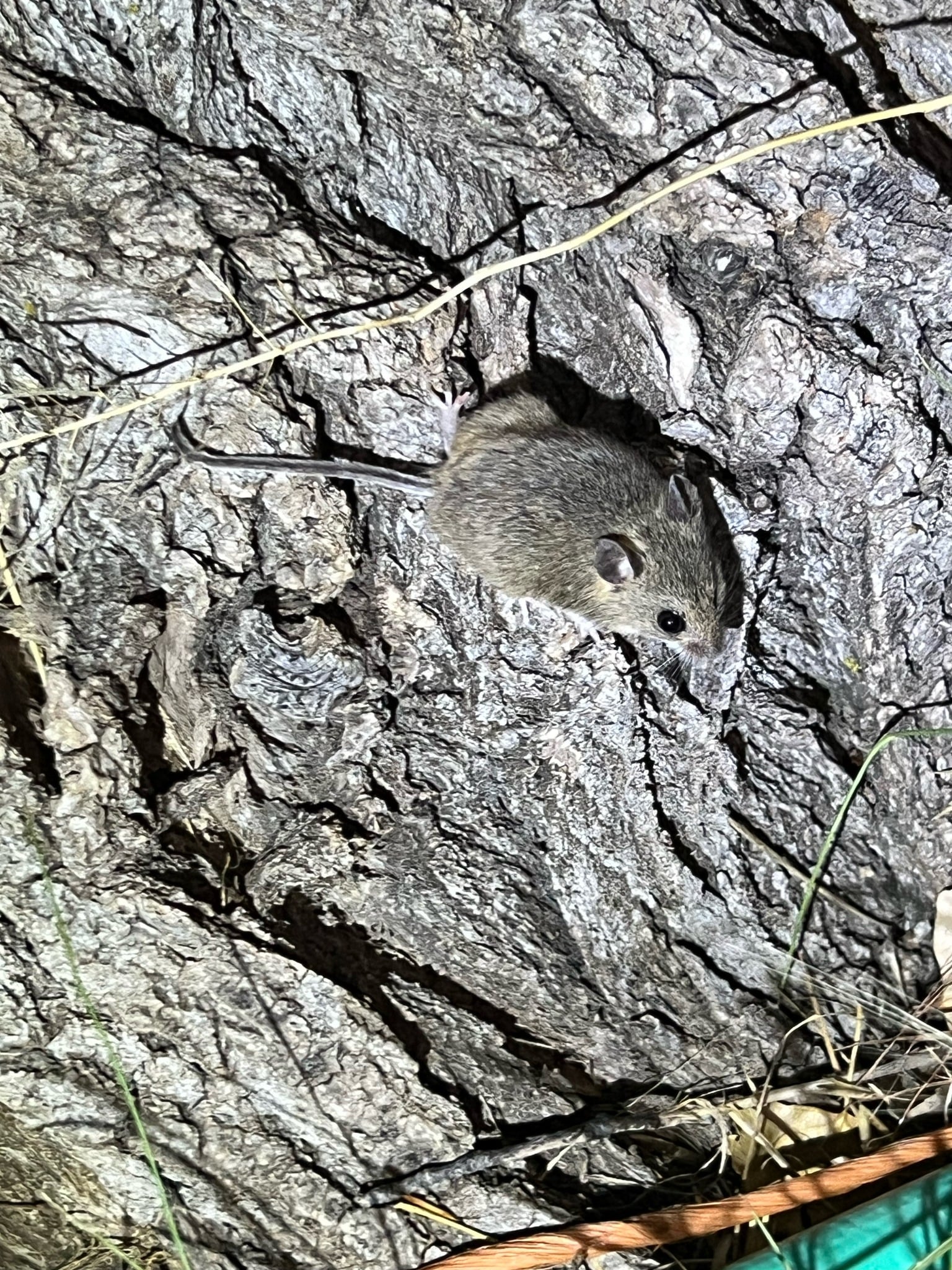
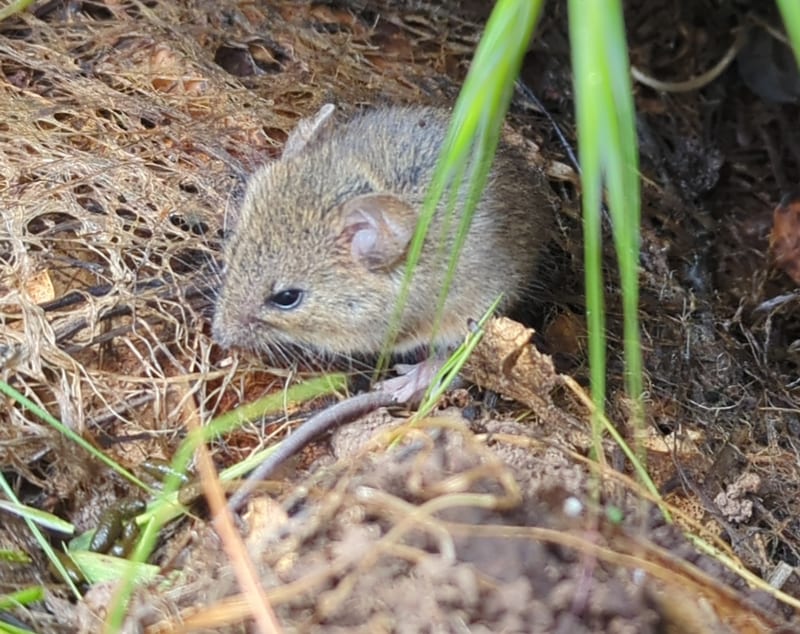
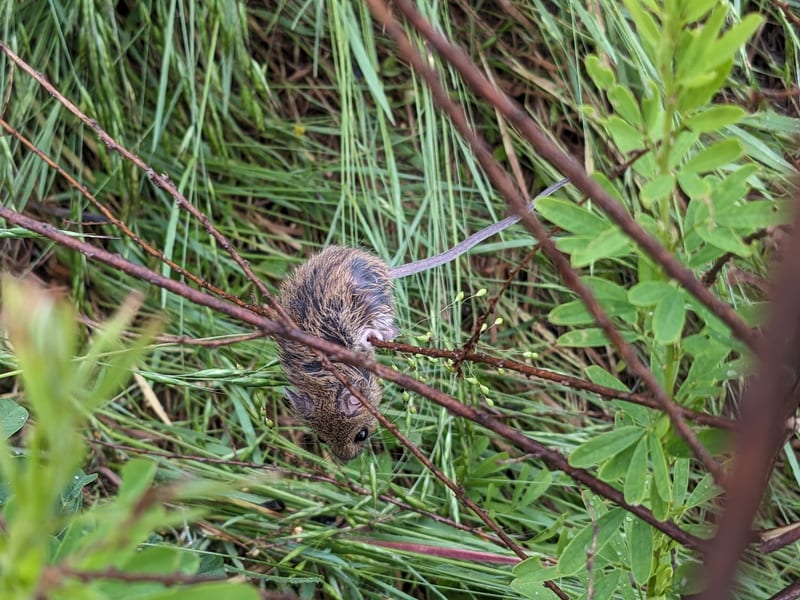
The plains harvest mouse is a mouse-sized rodent of the shortgrass and mixed-grass prairie stretching from Nebraska to Texas. Like every harvest mouse, it carries a lengthwise groove down each upper front tooth, and it spends its short life building small woven grass nests just above the ground, climbing stems to reach seed heads rather than digging like a vole or kangaroo rat. Records below trace that range across six states and every season.

Range through the year

Where Plains Harvest Mouse is seen

Plains Harvest Mouse is recorded in 9 US states from 1,857 occurrence records, most heavily in Texas (529 records) and Kansas (479).

Current range1,857 records · 9 states
AlabamaArizona · 57 records · view state pageArkansasCaliforniaColorado · 337 records · view state pageConnecticutDelawareDistrict of ColumbiaFloridaGeorgiaIdahoIllinoisIndianaIowaKansas · 479 records · view state pageKentuckyLouisianaMaineMarylandMassachusettsMichiganMinnesotaMississippiMissouriMontanaNebraska · 53 records · view state pageNevadaNew HampshireNew JerseyNew Mexico · 118 records · view state pageNew YorkNorth CarolinaNorth DakotaOhioOklahoma · 253 records · view state pageOregonPennsylvaniaRhode IslandSouth CarolinaSouth Dakota · 19 records · view state pageTennesseeTexas · 529 records · view state pageUtahVermontVirginiaWashingtonWest VirginiaWisconsinWyoming · 12 records · view state pageAlaskaAKHawaiiHIPuerto RicoPR
Occurrence data by state and month
Plains Harvest Mouse – occurrence records by US state and month (1,857 total across 9 states)
StateJanFebMarAprMayJunJulAugSepOctNovDecYear
Texas457811740521212254536130529
Kansas173038364154584425415342479
Colorado4314447373546328224337
Oklahoma18202260211219271721133253
New Mexico622271015131921228118
Arizona4177122··3263157
Nebraska···265861610953
South Dakota·····8611·3·19
Wyoming1··1231·2·1112

Based on 1,914 georeferenced US records, 2000-2026. Shading is observation density (where people record sightings), not true abundance. Alaska, Hawaii & Puerto Rico shown as insets.

Explore by state

Plains Harvest Mouse across 9 states

Occurrence records, conservation status, and the places it turns up, state by state. Open a state for detail, or visit its full page.

  • TexasNativeOccasional548 records

    State rankSecure

    Notable placesLake Brownwood State Park · Lyndon B. Johnson National Grassland · Caprock Canyons State Park · Devils River State Natural Area

    Countiesrecorded in 12

    Year-round in Texas, with recorded sightings peaking in February–March.

  • KansasNativeCommon500 records

    State rankSecure

    Notable placesMeade State Park · Kansas Ecological Reserves · Scott Wildlife Area · Lovewell Wildlife Area

    Countiesrecorded in 12

    Year-round in Kansas, with recorded sightings peaking in March–August, with a smaller rise in October–December.

  • ColoradoNativeOccasional341 records

    State rankApparently Secure

    Notable placesPawnee National Grassland · South Republican · Tamarack Ranch · Lowry S. of Quincy

    Countiesrecorded in 12

    Year-round in Colorado, with recorded sightings peaking in October.

  • OklahomaNativeCommon263 records

    State rankUnranked

    Notable placesCLO Lands · Black Mesa State Park & Nature Preserve · Fobb Bottom Wildlife Management Area

    Countiesrecorded in 12

    Year-round in Oklahoma, with recorded sightings peaking in April.

  • New MexicoNativeOccasional119 records

    State rankApparently Secure

    Notable placesEl Malpais National Monument · Carlsbad Caverns National Park · Río Grande Del Norte National Monument

    Countiesrecorded in 12

    Year-round in New Mexico, with recorded sightings peaking in March, with a smaller rise in June and August.

  • ArizonaNativeRare59 records

    State rankVulnerable

    Notable placesState Trust Land · Coconino National Forest

    Countiesrecorded in 7

    Year-round in Arizona, with recorded sightings peaking in February, with a smaller rise in April.

  • NebraskaNativeOccasional53 records

    State rankApparently Secure

    Countiesrecorded in 12

    Year-round in Nebraska, with recorded sightings peaking in October–December, with a smaller rise in May and July–August.

  • South DakotaNativeOccasional19 records

    State rankApparently Secure

    Notable placesState Lands · Sd Public Land

    Countiesrecorded in 11

    Year-round in South Dakota, with recorded sightings peaking in June–July.

  • WyomingNativeRare12 records

    State rankApparently Secure

    Countiesrecorded in 6

    Year-round in Wyoming, with recorded sightings peaking in May–June, with a smaller rise in September.

IUCN Red List status

  1. LC
  2. NT
  3. VU
  4. EN
  5. CR
  6. EW
  7. EX

LC – Least Concern

Widespread and abundant; not at risk.

SizePlains Harvest Mouse beside a 1.8 m adult, drawn to scale
Created by potrace 1.16, written by Peter Selinger 2001-2019 Created by potrace 1.16, written by Peter Selinger 2001-2019
Body length
8–8 cm3 in–3 in
Weight
10–10 g0.4–0.4 oz

Silhouettes drawn to scale against a 1.8 m5 ft 11 in adult.

Elevation

From 200 georeferenced records, the Plains Harvest Mouse is recorded from 75 m246 ft to 2,207 m7,241 ft, with half of sightings below 1,086 m3,563 ft.

Each band shows the share of georeferenced sightings that fall within it. Records cluster where people live and hike, so low, populated elevations are over-represented. Read this as observation density, not true abundance.

Best encounter

Where and when to see a Plains Harvest Mouse

Your best chance: Texas.

Where
TexasTX
Trophic relationshipsFood web What a Plains Harvest Mouse eats, and what eats it.
Eaten by1
Western MassasaugaSistrurus tergeminus tergeminus
This speciesPlains Harvest Mouse
insects
Eats1

A sample of documented feeding relationships, filtered to species that also occur in the US. Diet and predators vary by region and season, and this is not a complete list, many animals eat, and are eaten by, more than what has been formally recorded here.

Life history

The Plains Harvest Mouse (10 g0.4 oz) is a herbivore that first breeds around 0.2 years, carries a 22-day gestation, and bears about 4 young per litter.

Reproduction

Gestation
22days
Litter size
4youngaverage
Age at first breeding
0.2years

Diet composition

Herbivore

By foraging composition: 50% plant material, 50% seeds & grain.

  • Plant material50%
  • Seeds & grain50%

Most active at night.

Typical values for the species, not local measurements.

Commonly confused with

Animals people sometimes mistake for the plains harvest mouse, and how to tell them apart.

The tooth that gives the genus away

Every harvest mouse in North America carries a small, telltale groove down the front face of each upper incisor. It’s the trait that puts this mouse in the genus Reithrodontomys, apart from the house mouse and the deer mice it shares fields with. That groove doesn’t help sort harvest mice from each other, though, and two close relatives complicate identification across this species’ range.

The western harvest mouse looks almost identical at a glance: small, grayish brown, big-eyed, big-eared. The tail settles the question. A western harvest mouse’s tail runs distinctly longer than its head and body combined, while the plains harvest mouse’s tail stays shorter than or about equal to that length. The fulvous harvest mouse is the easier call. It grows noticeably larger, with a warmer, reddish-tawny back and bigger ears than this species’ smaller, grayer build. These differences are hard to judge in tall grass after dark, so most confirmed identifications come from live-trapping surveys rather than a passing glimpse.

Prairie ground with plenty of cover

Records from the last quarter-century place the plains harvest mouse across six states. Colorado carries the largest share, followed by Texas, Kansas, Oklahoma, New Mexico, and Nebraska. That footprint traces the shortgrass and mixed-grass prairie belt running down the middle of the country, not the taller grass further east or the drier desert further west. Elevation isn’t much of a barrier either. Records run from as low as 250 feet up past 7,200 feet, clustering most heavily in the band between 3,300 and 5,900 feet that covers the Colorado high plains. Wherever grass grows dense enough to hide something smaller than a house key, this mouse can turn up.

Records taper off sharply through winter and pick up again each spring. That pattern lines up with when field biologists run traplines and when the mouse itself is active above ground, not with any real migration. Cold weather just pushes it deeper into the grass and further from where anyone might notice it.

Built to climb, not to dig

Where a kangaroo rat digs and a vole tunnels through matted grass, the plains harvest mouse builds. It weaves a small, ball-shaped nest from shredded grass, usually tucked at the base of a bunchgrass clump or under a fallen mat of vegetation, and keeps narrow runways radiating out from it. Thick, undisturbed grass cover matters more here than any single plant species. Mow or overgraze that cover and the mouse tends to vanish from a patch of ground even when the soil and rainfall look no different from the field next door.

It’s nocturnal, spending daylight hidden in the nest and coming out after dark to climb grass and forb stems for their seed heads, which make up roughly half its diet. Insects fill out the rest when they’re easy to find. That same dense grass cover doubles as its pantry, so shelter and food aren’t really separate needs for this mouse at all.

A short breeding season built for turnover

Gestation runs a little over three weeks, and an average litter holds around four pups. Females can be ready to breed again within a couple of months of giving birth, and that quick turnaround is the whole survival strategy for an animal this small. A bullsnake finding a runway, a Western Massasauga waiting at a burrow mouth, an owl working a field edge after dark: all of them take a steady toll on a mouse this size. Nothing about this species is built to outlast a threat. Everything about it is built to replace losses fast enough that the population holds.

Common today, but easy to lose locally

The IUCN lists the plains harvest mouse as Least Concern, and across its full range that’s a fair call. It isn’t rare, and it isn’t declining in any way that’s triggered a formal reassessment. That stable picture hides a lot of local disappearance, though. This is a species that needs grass left alone rather than grass managed for one outcome, and the closely grazed or mowed grasslands that dominate much of its range today don’t offer anywhere to build a nest or run a runway. Where a patch of prairie keeps its thatch, the plains harvest mouse tends to still be there. Where that thatch gets stripped, it quietly isn’t, often well before anyone thinks to look.


Data & sources

The data and visualizations on this page draw on these open sources:


