Tennessee mammals

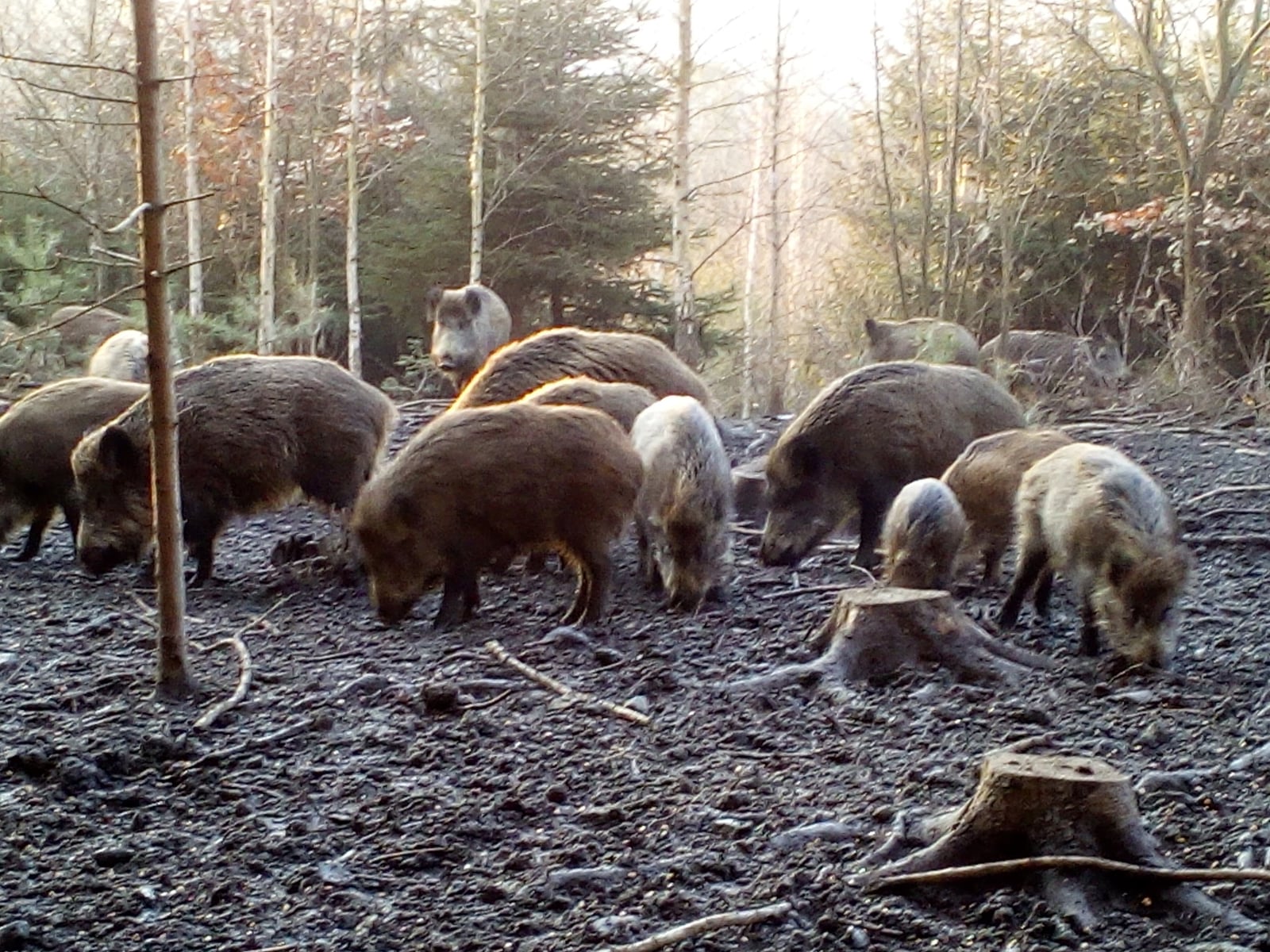
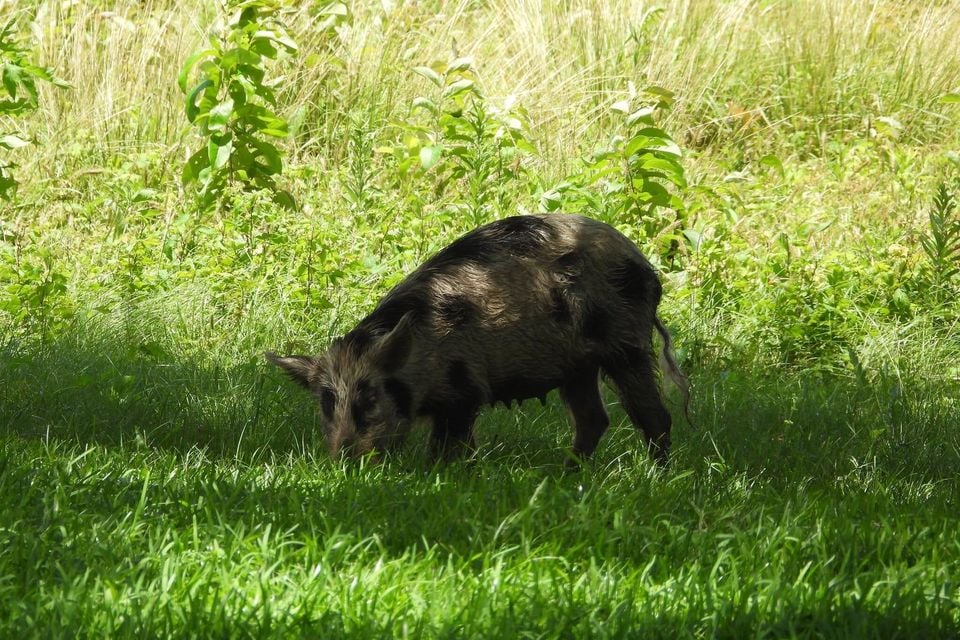
Wild Boar in Tennessee

Sus scrofa

Introduced to Tennessee

Tennessee's Sus scrofa records are of an introduced species; it does not occur here as a wild native population.

IUCN Red List status

  1. LC
  2. NT
  3. VU
  4. EN
  5. CR
  6. EW
  7. EX

LC – Least Concern

Widespread and abundant; not at risk.

Wild Boar in Tennessee, by the numbers

Occasional in Tennessee 35th most recorded of 86 mammals logged in Tennessee

141 occurrence records
141 with iNaturalist photos
Jul 3, 2026 Last seen in Tennessee

Records from 2000–2026.

141 total records count every Tennessee occurrence from GBIF and iNaturalist; the map plots a georeferenced sample of 133; the monthly chart covers the 133 records with a full observation date.

When to look for the Wild Boar in Tennessee

Most sightings fall in March to April.

133 Tennessee occurrence records (iNaturalist and GBIF) by month of year, 2000–2026. Shows when the species is recorded, not a guarantee of presence.

Monthly Tennessee records (table)
MonthRecords
January10
February8
March22
April24
May6
June20
July7
August5
September10
October6
November7
December8

Monthly wild boar occurrence records (iNaturalist and GBIF) in Tennessee, 2000–2026.

Seasonality

Year-round in Tennessee, with recorded sightings peaking in March–April, with a smaller rise in June.

Occurrence map

Where Wild Boar has been recorded in Tennessee

133 records mapped · zoom and drag to explore

133 Tennessee records mapped

Notable places to look

Park, forest, or monumentiNaturalist records
Great Smoky Mountains National Park 21
Land Between the Lakes Other 9
Frozen Head 5
Meeman-Shelby Forest Wildlife Management Area 3
Big South Fork National River and Recreation Area 2
North Cherokee National Forest & Wildlife Management Area 2
Pickett State Forest 1
Fall Creek Falls 1

Protected places with the most wild boar sightings, from the USGS Protected Areas Database plus named mountain ranges, good spots to look, not a full breakdown, so they don't sum to the total.

Where it's recorded in Tennessee

CountyRecords
Morgan County 54
Blount County 14
White County 12
Stewart County 11
Sevier County 9
Shelby County 5
Monroe County 4
Carter County 2
Van Buren County 2
Fentress County 2
Cumberland County 2
Scott County 1
15 other counties 23

The complete county distribution, spread across 27 Tennessee counties. Every occurrence record falls in one county, so these sum to the total. Counties from GBIF and US Census boundaries.

Tennessee’s best-known hogs live in the Great Smoky Mountains. The national park holds 21 records, more than any other named place in the state, drawn from Blount and Sevier counties on the Tennessee side of the range. That population has an unusual pedigree: it carries blood from European wild boar stocked on a hunting preserve in the North Carolina mountains early in the 1900s, animals that escaped and worked their way across the high ridges.

The Cumberland Plateau leads

The county at the top of the list isn’t in the Smokies at all. Morgan County has 54 of the state’s 141 records, far ahead of Blount’s 14, and Frozen Head State Park inside it accounts for only 5. Most Morgan County reports come from plateau woods outside the named parks. Farther west, Stewart County and Land Between the Lakes, with 9 records, form a third pocket between the Tennessee and Cumberland rivers. White County, on the plateau’s western edge, adds a dozen. In all, records reach 27 counties.

Hogs are introduced in Tennessee. NatureServe lists a conservation rank as not applicable, since they’re no part of the state’s native fauna.

Reports peak in April at 24, with March and June close behind and May oddly quiet. With so few records in any month, that jagged shape says more about when a few observers happened to be out than about the hogs, which stay active all year.
Occurrence data from iNaturalist and GBIF.

Wild Boar in other states

Wild Boar range map (all states)

More mammals in Tennessee in the atlas

Data & sources

The data and visualizations on this page draw on these open sources:

  • GBIFCC-BY 4.0occurrence records behind the range map, elevation, and record counts
  • iNaturalistCC0 / CC-BY / CC-BY-SAobservations, photos, and audio recordings
  • NatureServe ExplorerCC-BYthe state conservation rank
  • IUCN Red Listattributed factthe global conservation status
  • USGS NASpublic domainnative / introduced status
  • Natural Earthpublic domainthe relief basemap
  • USFSpublic domainnational-forest boundaries
  • USGS Protected Areas Databasepublic domainthe named parks, forests, and refuges behind "notable places to look"




