Virginia mammals

Wild Boar in Virginia

Sus scrofa

Introduced to Virginia

Virginia's Sus scrofa records are of an introduced species; it does not occur here as a wild native population.

IUCN Red List status

  1. LC
  2. NT
  3. VU
  4. EN
  5. CR
  6. EW
  7. EX

LC – Least Concern

Widespread and abundant; not at risk.

Wild Boar in Virginia, by the numbers

Occasional in Virginia 61st most recorded of 105 mammals logged in Virginia

20 occurrence records
20 with iNaturalist photos
May 10, 2026 Last seen in Virginia

Records from 2000–2026.

When to look for the Wild Boar in Virginia

Most sightings fall in March.

20 Virginia occurrence records (iNaturalist and GBIF) by month of year, 2000–2026. Shows when the species is recorded, not a guarantee of presence. Based on a small number of dated records; the seasonal pattern may not be representative.

Monthly Virginia records (table)
MonthRecords
January2
February1
March3
April0
May3
June0
July0
August2
September1
October2
November3
December3

Monthly wild boar occurrence records (iNaturalist and GBIF) in Virginia, 2000–2026.

Seasonality

Year-round in Virginia, with recorded sightings peaking in March, with a smaller rise in May and August.

Occurrence map

Where Wild Boar has been recorded in Virginia

20 records mapped · zoom and drag to explore

20 Virginia records mapped

Notable places to look

Park, forest, or monumentiNaturalist records
Jefferson National Forest 1

Protected places with the most wild boar sightings, from the USGS Protected Areas Database plus named mountain ranges, good spots to look, not a full breakdown, so they don't sum to the total.

Where it's recorded in Virginia

CountyRecords
Augusta County 2
Virginia Beach County 2
Bedford County 2
Radford County 1
Mecklenburg County 1
Wise County 1
Nelson County 1
Louisa County 1
Cumberland County 1
Culpeper County 1
Fairfax County 1
Spotsylvania County 1
5 other counties 5

The complete county distribution, spread across 17 Virginia counties. Every occurrence record falls in one county, so these sum to the total. Counties from GBIF and US Census boundaries.

Virginia’s confirmed wild boar sightings cluster in the forested Blue Ridge and Allegheny highlands of the state’s west, in and around the George Washington and Jefferson National Forests and the Shenandoah National Park corridor. That’s rugged, heavily wooded public land, a long way from this animal’s much larger footholds in Texas and Florida.

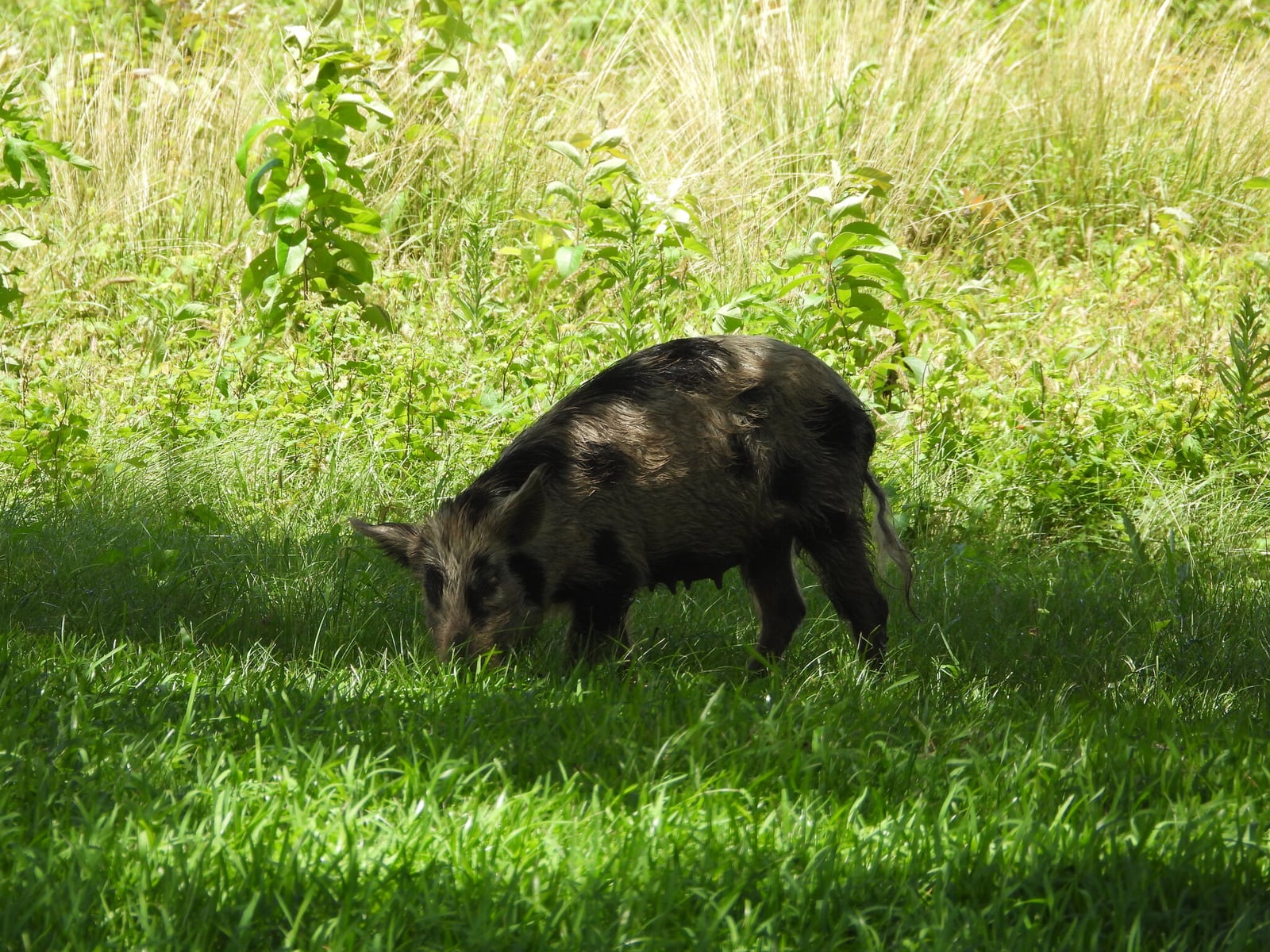
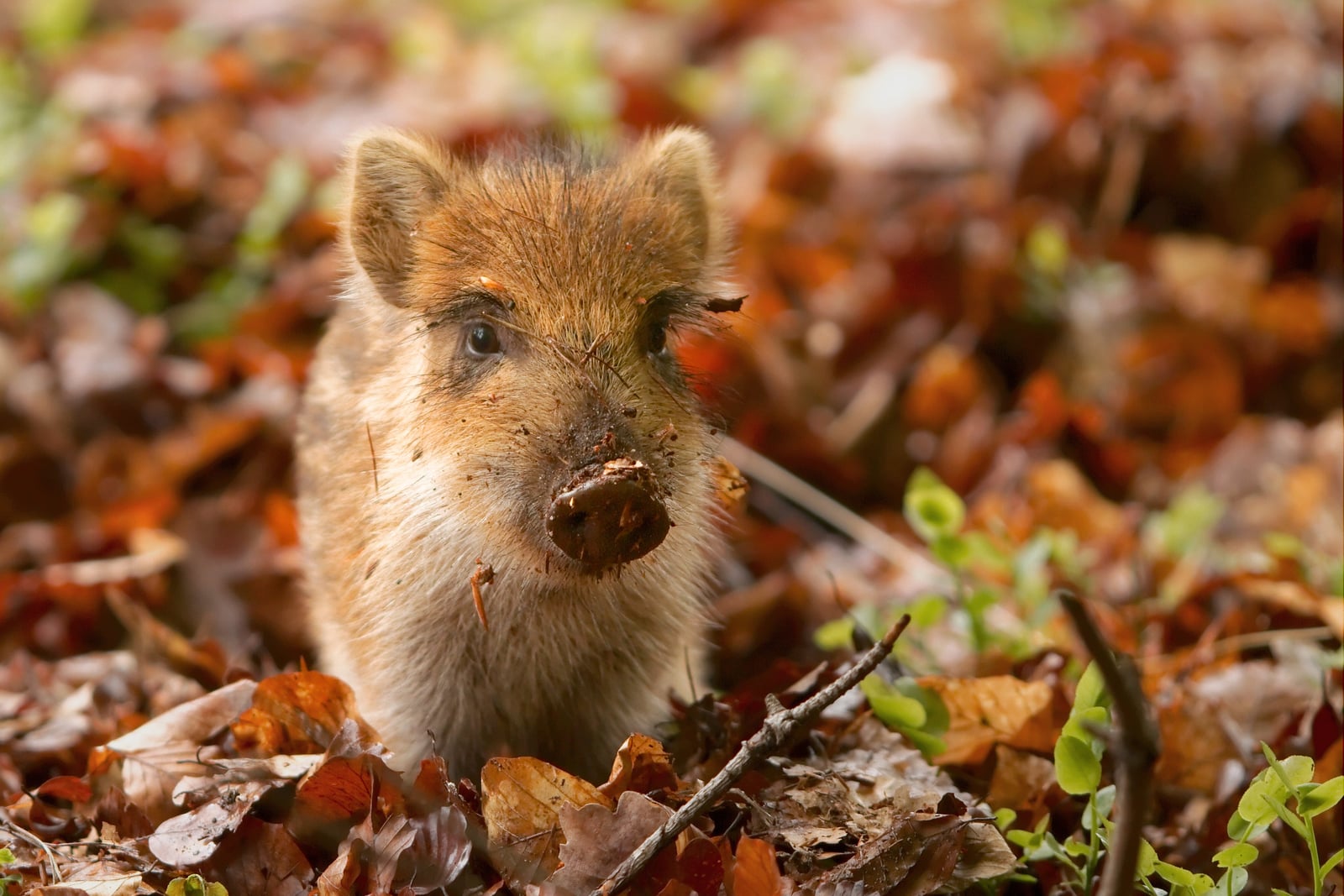
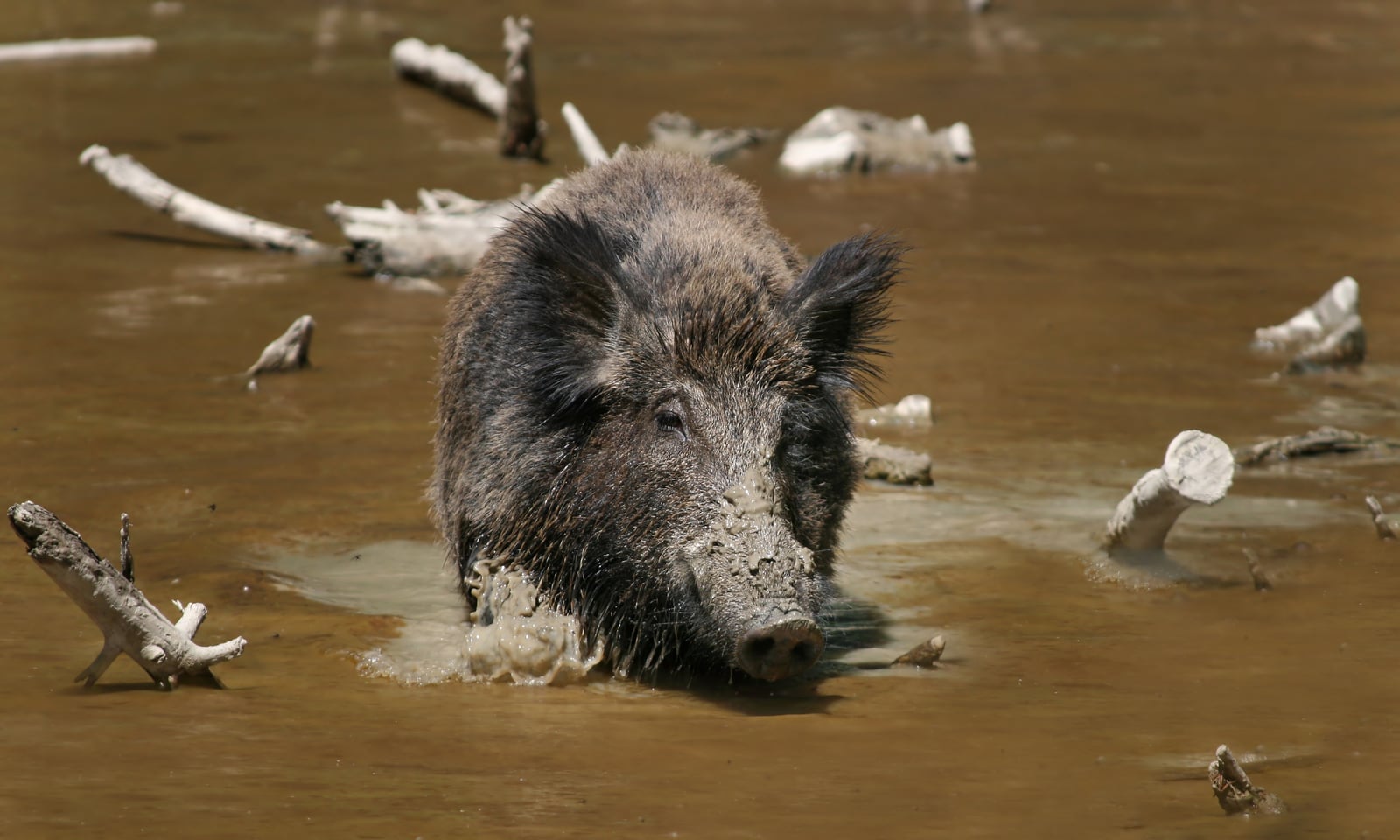
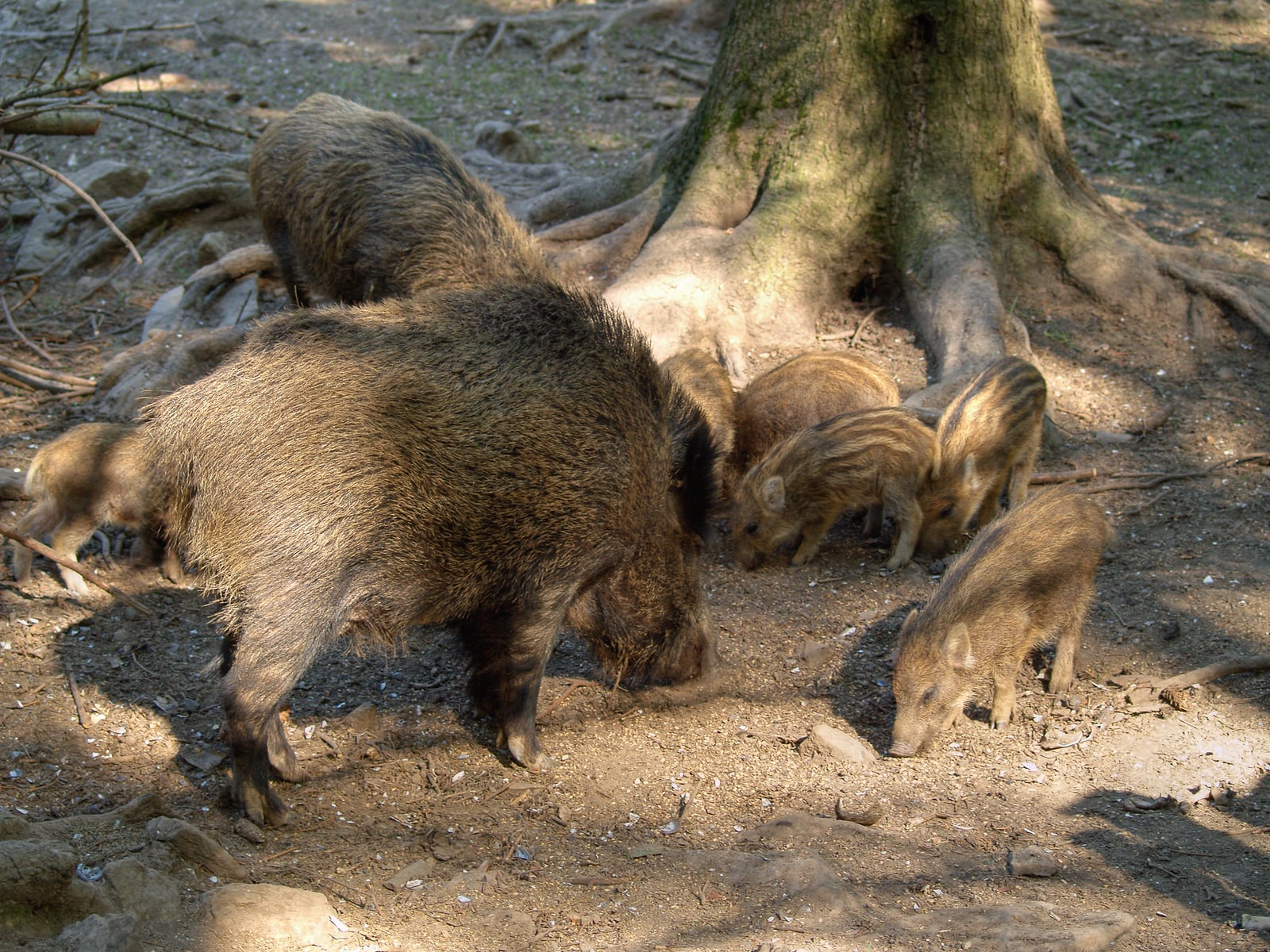
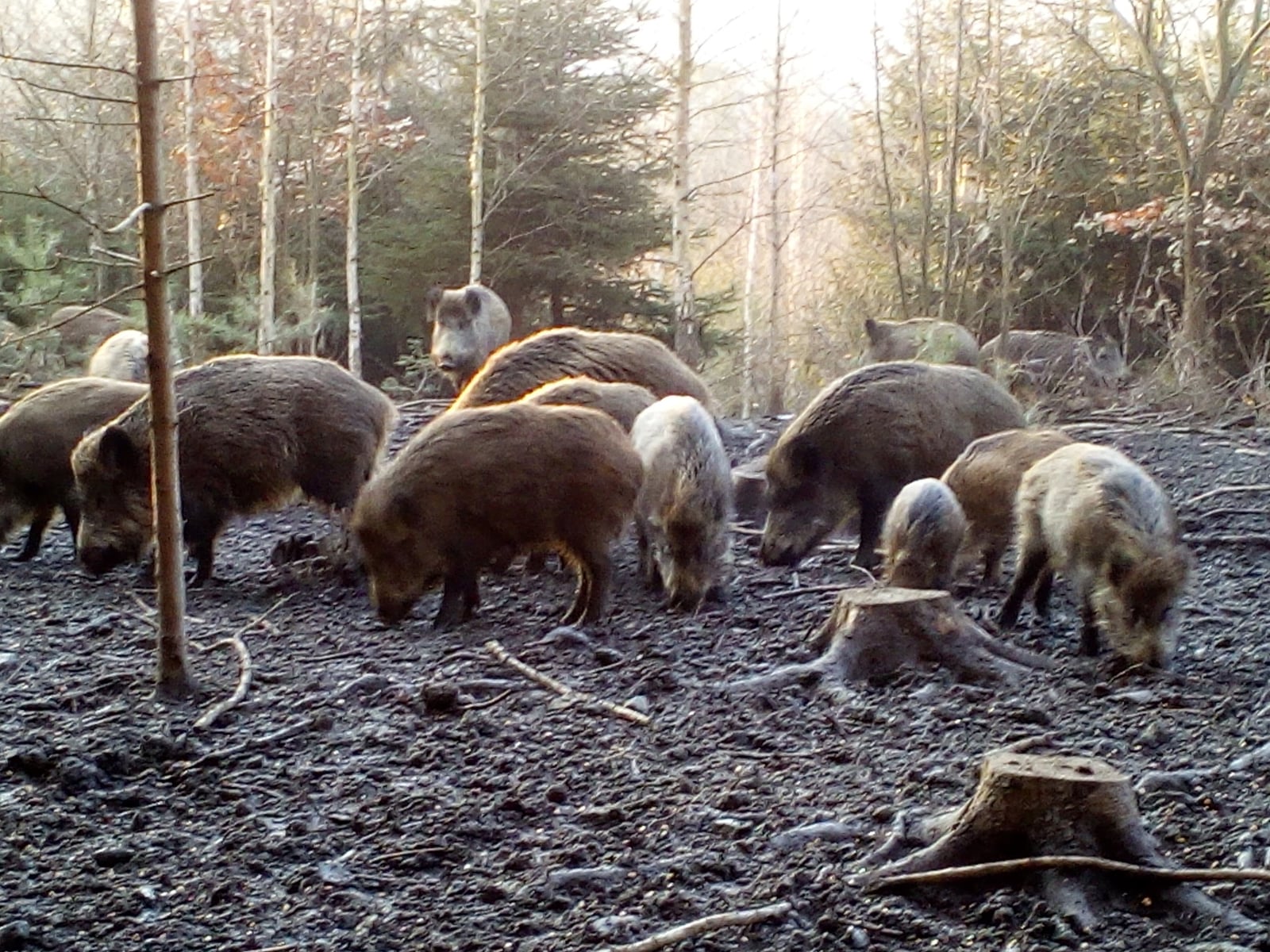
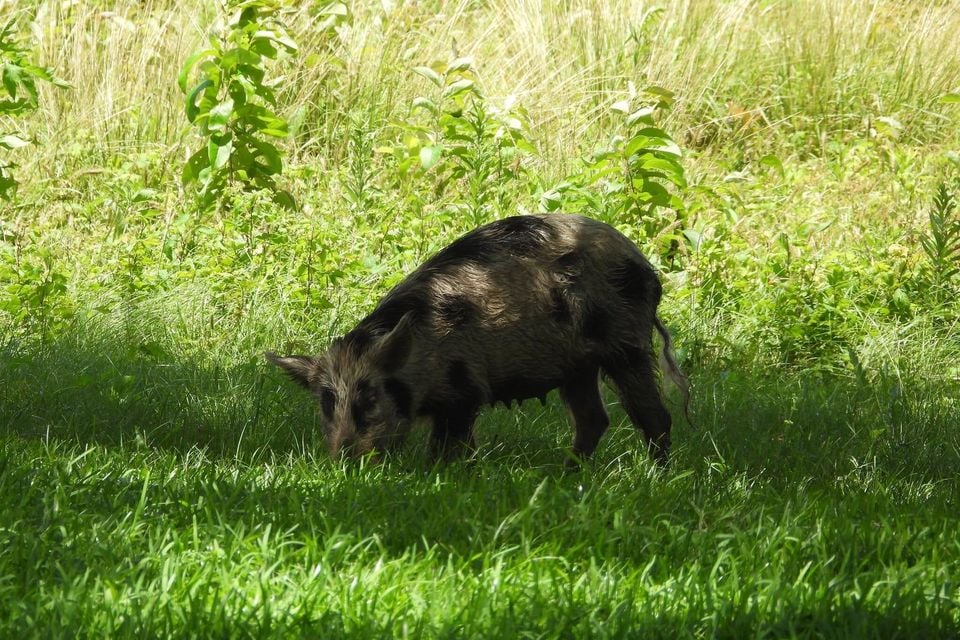
Wild boar in Virginia are, like everywhere else in the state, a feral mix of released Eurasian stock and escaped domestic pigs rather than a truly wild population. They dig constantly with a tough, disc-tipped snout, rooting up roots, acorns, and whatever crops or small animals they come across, and they travel in family groups called sounders led by an older sow. With only 20 recorded sightings total, Virginia’s presence is small next to Deep South strongholds, but the same rooting and wallowing behavior can still tear up forest soil and streamside ground wherever it turns up.

Records are scattered across the year, with small upticks in January, May, October, and December, too few to show a real seasonal pattern. NatureServe lists this species as exotic in Virginia, and it’s tracked here as an introduced animal to manage rather than a native part of the state’s wildlife.
Occurrence data from iNaturalist and GBIF.

Wild Boar in other states

Wild Boar range map (all states)

More mammals in Virginia in the atlas

Data & sources

The data and visualizations on this page draw on these open sources:

  • GBIFCC-BY 4.0occurrence records behind the range map, elevation, and record counts
  • iNaturalistCC0 / CC-BY / CC-BY-SAobservations, photos, and audio recordings
  • NatureServe ExplorerCC-BYthe state conservation rank
  • IUCN Red Listattributed factthe global conservation status
  • USGS NASpublic domainnative / introduced status
  • Natural Earthpublic domainthe relief basemap
  • USFSpublic domainnational-forest boundaries
  • USGS Protected Areas Databasepublic domainthe named parks, forests, and refuges behind "notable places to look"