
Long-legged Myotis

Myotis volans

LCLeast Concern

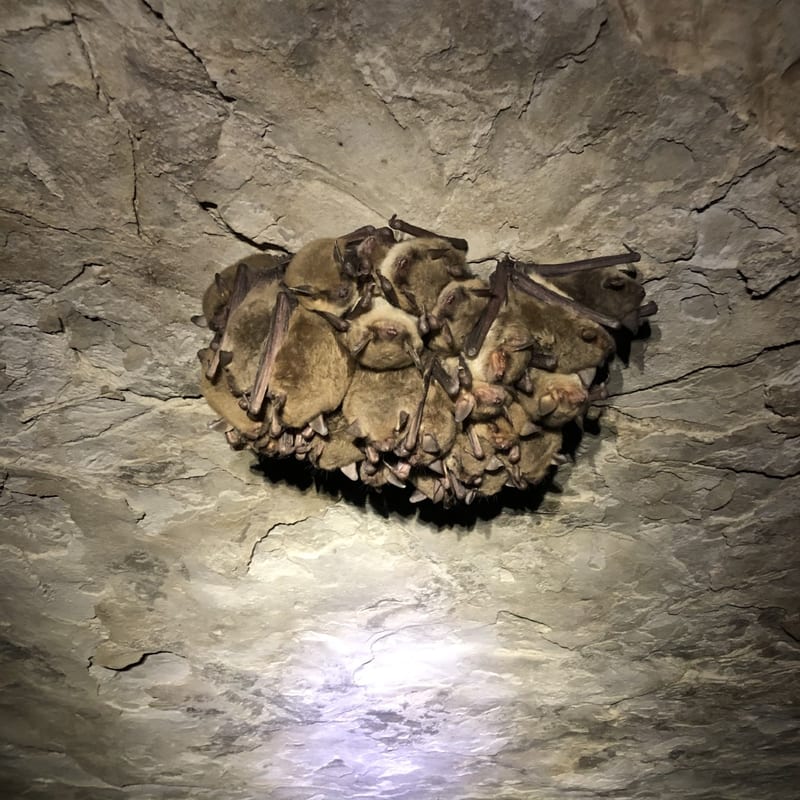
The long-legged myotis is a fast, strong-flying mouse-eared bat found across the mountain forests of the western United States. It keeps hunting on cold nights long after most bats have quit, roosts under loose bark and in tree cavities, and carries fur that reaches onto the underside of its wing membrane, a field mark few other Myotis share. Its maternity colonies can gather many females in one summer roost. Records below trace its range across nine western states, with a concentration above 1,600 meters in conifer forest.

Range through the year

Where Long-legged Myotis is seen

Long-legged Myotis is recorded in 15 US states from 3,189 occurrence records, most heavily in New Mexico (1,021 records) and Colorado (463).

Current range3,189 records · 15 states
Occurrence data by state and month
Long-legged Myotis – occurrence records by US state and month (3,189 total across 15 states)
StateJanFebMarAprMayJunJulAugSepOctNovDecYear
New Mexico1··1210029133415011020211,021
Colorado4···781169186112·3463
California2·3929176904633361·425
Arizona1·4219817575123··272
Nevada··12238674295·11222
Utah11·1253079281972·193
Oregon·3·2·72912916··1187
South Dakota····155556137·2·148
Wyoming1···11632171821·88
Montana···2·442842·264
Washington1····1111781··39
Idaho·····4466···20
Texas···14733·1··19
North Dakota····101213···17
Alaska····137·····11

Based on 3,314 georeferenced US records, 2000-2026. Shading is observation density (where people record sightings), not true abundance. Alaska, Hawaii & Puerto Rico shown as insets.

Explore by state

Long-legged Myotis across 15 states

Occurrence records, conservation status, and the places it turns up, state by state. Open a state for detail, or visit its full page.

  • New MexicoNativeOccasional1,024 records

    State rankApparently Secure

    Notable placesCebolla Wilderness Area · Apache Kid Wilderness · El Morro National Monument · Wheeler Peak Wilderness

    Countiesrecorded in 12

    Year-round in New Mexico, with recorded sightings peaking in June–July.

  • ColoradoNativeOccasional561 records

    State rankSecure

    Notable placesMesa Verde National Park · Dinosaur National Monument · Spanish Peaks · CSU - Pingree Campus

    Countiesrecorded in 12

    Year-round in Colorado, with recorded sightings peaking in July–August.

  • CaliforniaNativeRare426 records

    State rankVulnerable

    Notable placesFort Tejon State Historic Park · White Mountains Wilderness · Stanislaus National Forest · Angeles National Forest

    Countiesrecorded in 12

    Year-round in California, with recorded sightings peaking in June.

  • ArizonaNativeRare275 records

    State rankVulnerable

    Notable placesGrand Canyon National Park · Chiricahua Wilderness · Grand Canyon-Parashant National Monument

    Countiesrecorded in 11

    Year-round in Arizona, with recorded sightings peaking in June–August.

  • NevadaNativeOccasional224 records

    State rankVulnerable

    Notable placesBasin and Range National Monument · Great Basin National Park · Gold Butte National Monument · Mormon Mountains Wilderness Area

    Countiesrecorded in 11

    Year-round in Nevada, with recorded sightings peaking in June–July.

  • UtahNativeRare197 records

    State rankVulnerable

    Notable placesCapitol Reef National Park · Bryce Canyon National Park · Bears Ears National Monument · Dinosaur National Monument

    Countiesrecorded in 12

    Year-round in Utah, with recorded sightings peaking in July.

  • OregonNativeRare187 records

    State rankVulnerable

    Notable placesMt. Hood National Forest · Malheur National Forest · Oregon Caves National Monument and Preserve · Oregon Islands National Wildlife Refuge Wilderness Area

    Countiesrecorded in 12

    Year-round in Oregon, with recorded sightings peaking in August.

  • South DakotaNativeCommon148 records

    State rankApparently Secure

    Notable placesBadlands National Park · Jewel Cave National Monument · Wind Cave National Park

    Countiesrecorded in 7

    Year-round in South Dakota, with recorded sightings peaking in June–July.

  • WyomingNativeOccasional88 records

    State rankApparently Secure

    Notable placesGrand Teton National Park · Fossil Butte National Monument · Yellowstone National Park · Devils Tower National Monument

    Countiesrecorded in 12

    Year-round in Wyoming, with recorded sightings peaking in July.

  • MontanaNativeOccasional73 records

    State rankVulnerable

    Countiesrecorded in 13

    Year-round in Montana, with recorded sightings peaking in July.

  • WashingtonNativeOccasional43 records

    State rankVulnerable

    Notable placesMount Rainier National Park · Gifford Pinchot National Forest

    Countiesrecorded in 12

    Year-round in Washington, with recorded sightings peaking in July–August.

  • IdahoNativeOccasional21 records

    State rankVulnerable

    Countiesrecorded in 11

    Year-round in Idaho, with recorded sightings peaking in June–September.

  • TexasNativeOccasional19 records

    State rankCritically Imperiled

    Notable placesBig Bend National Park

    Countiesrecorded in 4

    Year-round in Texas, with recorded sightings peaking in June.

  • North DakotaNativeOccasional17 records

    State rankUnrankable

    Countiesrecorded in 3

    Year-round in North Dakota, with recorded sightings peaking in May.

  • AlaskaNativeRare11 records

    State rankVulnerable

    Notable placesHaines State Forest Resource Management Area · Tongass National Forest

    Countiesrecorded in 6

    Sparse observation record in Alaska; presence confirmed but timing of activity not well documented.

IUCN Red List status

  1. LC
  2. NT
  3. VU
  4. EN
  5. CR
  6. EW
  7. EX

LC – Least Concern

Widespread and abundant; not at risk.

SizeLong-legged Myotis beside a 1.8 m adult, drawn to scale
Created by potrace 1.16, written by Peter Selinger 2001-2019 Created by potrace 1.16, written by Peter Selinger 2001-2019
Body length
8–11 cm3 in–4 in
Weight
6–10 g0.2–0.4 oz

Silhouettes drawn to scale against a 1.8 m5 ft 11 in adult.

Elevation

From 200 georeferenced records, the Long-legged Myotis is recorded from 29 m95 ft to 3,333 m10,935 ft, with half of sightings below 1,964 m6,444 ft.

Each band shows the share of georeferenced sightings that fall within it. Records cluster where people live and hike, so low, populated elevations are over-represented. Read this as observation density, not true abundance.

Observation peakMay24 recordsBased on a small number of dated records; the seasonal pattern may not be representative.

Seasonality from research-grade observation dates across the US (24 records, all years). Reflects when the species is recorded, not a guarantee of presence.

Best encounter

Where and when to see a Long-legged Myotis

Your best chance: New Mexico, in May.

Where
New MexicoNM
When
May
Trophic relationshipsFood web What a Long-legged Myotis eats, and what eats it.
Eaten by1
Arizona Mountain KingsnakeLampropeltis pyromelana
This speciesLong-legged Myotis
insectsWestern Spruce Budworm MothChoristoneura freemanibeetles
Eats3

A sample of documented feeding relationships, filtered to species that also occur in the US. Diet and predators vary by region and season, and this is not a complete list, many animals eat, and are eaten by, more than what has been formally recorded here.

Life history

The Long-legged Myotis (6–10 g0.2–0.4 oz) is a carnivore that first breeds around 0.4 years, and bears about 1 young per litter. Maximum recorded longevity is 21 years.

Life cycle

  1. Birthlitter of 1 young
  2. Sexual maturity0.4 yr (female)
  3. Typical lifespan21 years
  4. Maximum recorded longevity21 years

Reproduction

Litter size
1youngaverage
Litters / year
1litter
Age at first breeding
0.4years

Diet composition

Carnivore

By foraging composition: 100% invertebrates.

  • Invertebrates100%

Most active at night.

Typical values for the species, not local measurements. Maximum longevity is the longest lifespan on record; most individuals live far less.

Commonly confused with

Animals people sometimes mistake for the long-legged myotis, and how to tell them apart.

A Bat Built for Cold, Late Nights

Long-legged myotis keeps working the night air after many other bats have quit. It flies fast and direct, chasing moths and other insects along forest edges, over openings, and near cliffs and streams. That extra time on the wing matters in the mountains, where cold nights shrink the hours insects stay active. When temperatures drop, the bat can slip into torpor, slowing its metabolism to coast through a cold night without burning its fat reserves. Moths make up the bulk of its diet, with flies, beetles, termites, and true bugs filling out the rest. Its echolocation calls overlap with several other western Myotis, so a confident identification rarely rests on sound alone. Biologists usually back it up with habitat, size, or a direct look at the animal.

The Furred Wing That Sets It Apart

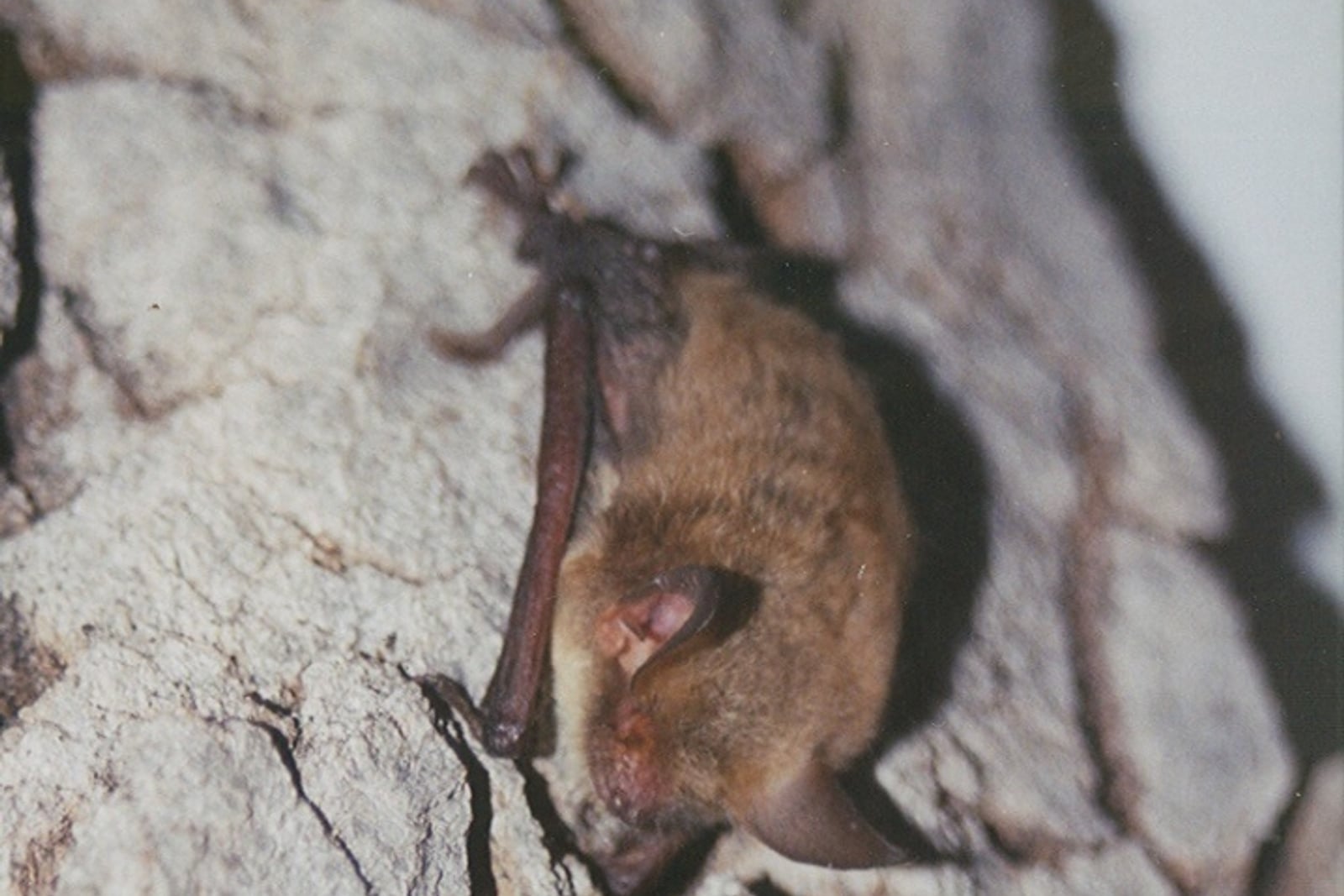
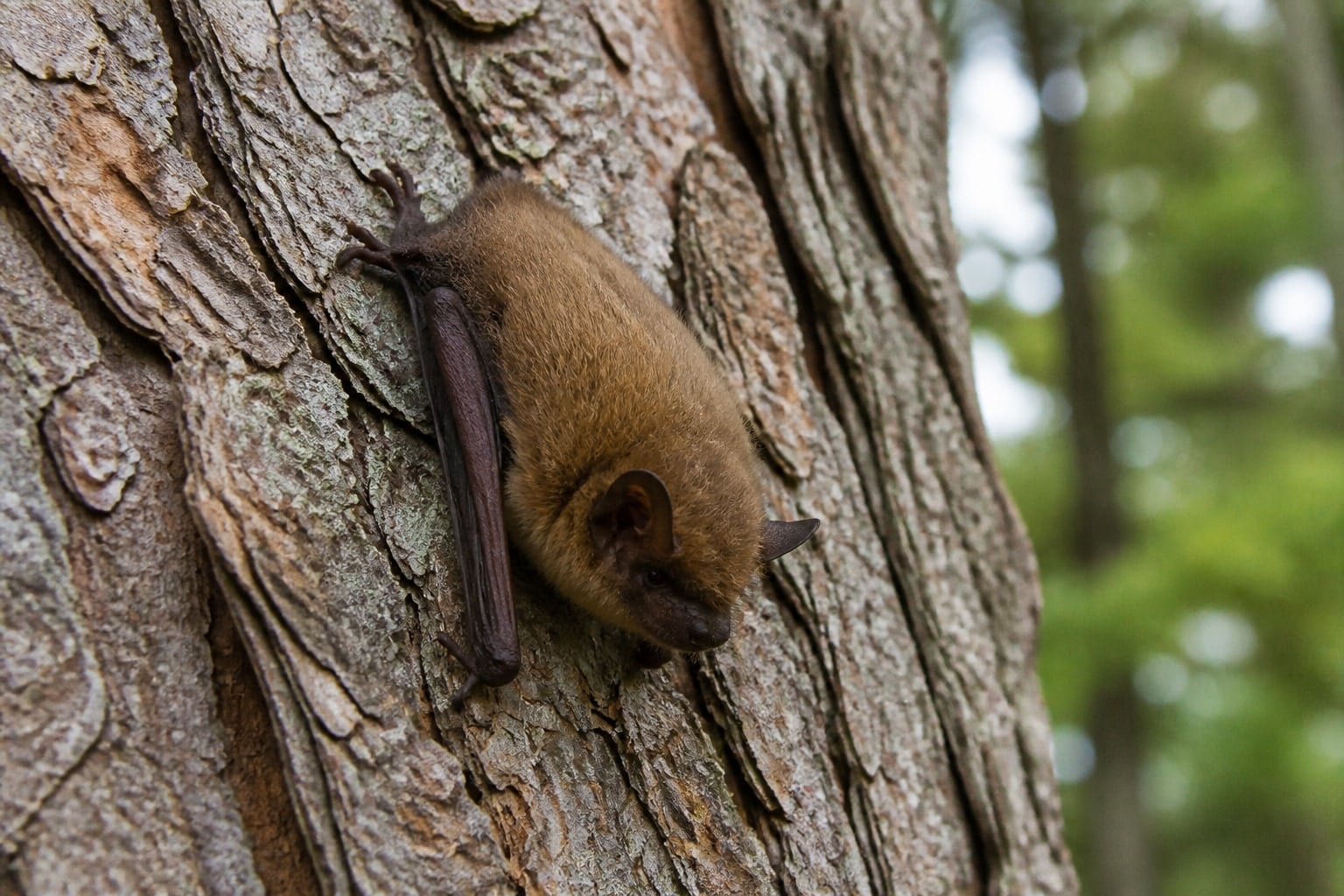
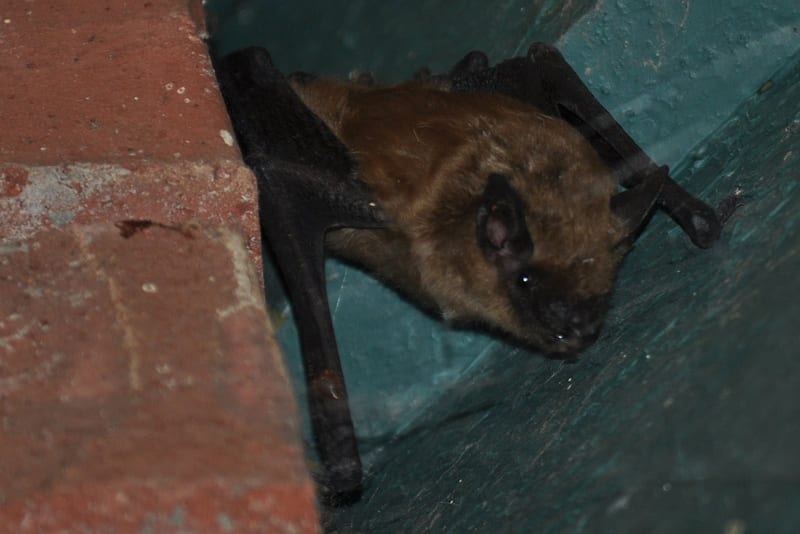
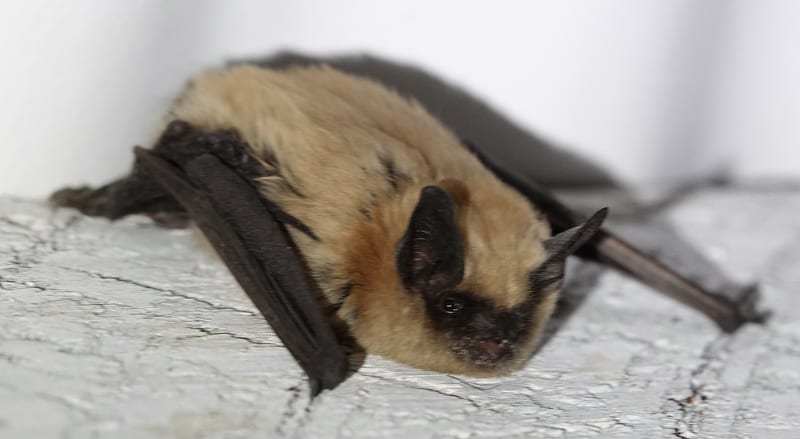
The clearest field mark on long-legged myotis is easy to miss unless you get a close look. Its belly fur keeps going past the body, spreading onto the underside of the wing membrane toward the elbow and knee. Almost nothing else in its range shares that trait, which makes it the surest way to sort this bat from lookalikes. Cave myotis runs heavier and plainer below, without any of that thick underwing fur. Fringed myotis carries a comb of stiff hairs along its tail membrane that this species doesn’t have. California myotis and western small-footed myotis both run smaller and darker-faced, and the small-footed myotis often shows a sharper dark mask across the eyes. Most of these cues vanish once the bat is airborne, so a solid identification usually needs a roost check, a clear photo, or the animal in hand.

Mountain Forests Across a Wide Western Range

Long-legged myotis ranges from southeastern Alaska down through the mountain West and Southwest into Mexico. Records here follow that same pattern: Colorado and New Mexico carry the heaviest concentration, with a steady trail through Nevada, Utah, California, Arizona, Texas, Wyoming, and Alaska. Coniferous forest, mixed conifer, ponderosa pine, and pinyon-juniper woodland make up its core habitat. It also turns up in oak woodland, along streamside corridors, and even around buildings at the edge of town. Recorded elevations run from near sea level past 10,800 feet. Most cluster in the 5,200 to 7,900 foot band, the mid-elevation forest belt where mature trees, water, and night-flying insects all come together.

Roosts That Change With the Season

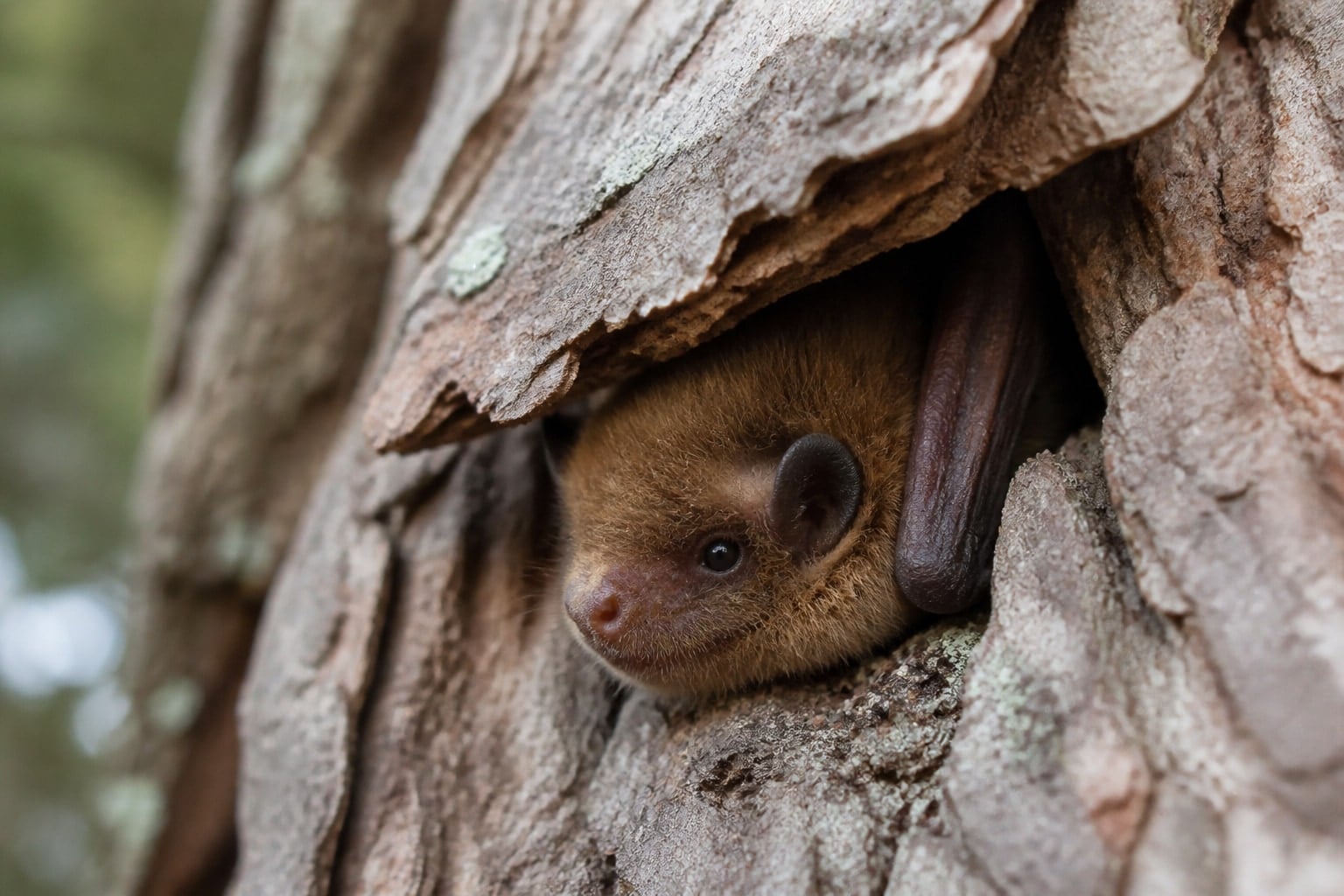
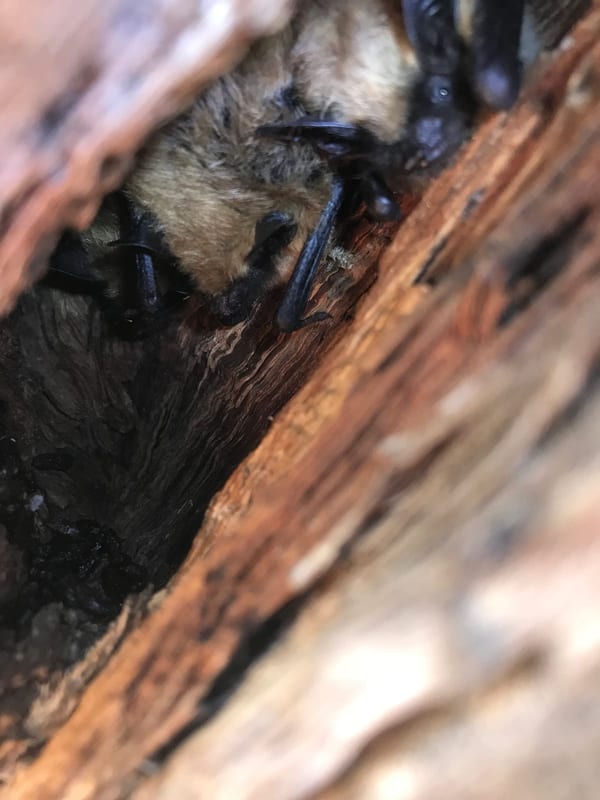
Long-legged myotis doesn’t settle into one roost and stay there. Through summer it favors loose bark on standing dead trees, along with crevices, rock cracks, and the occasional building or bridge. It shifts between several of these spots through the season rather than sticking to one. A large dead tree with peeling bark warms quickly in the sun and gives the bat a clean drop into flight. That’s why a cluster of dead trees matters more than any single one. Winter flips the pattern. This species retreats to caves and mines, where cool, stable conditions let it conserve energy through the cold months. It often returns to the same site year after year.

One Pup, a Long Life

Breeding follows a slow, cautious rhythm. Mating happens in late summer and fall, but the female stores sperm through hibernation and doesn’t ovulate until spring. Birth timing shifts with local conditions, though most pups arrive in early summer. She typically raises a single pup each year, and young bats don’t take to the air until later in the season. That low reproductive output is balanced by an unusually long life for such a small animal. Individuals can live at least 21 years in the wild, a span that puts real weight on protecting adult survival rather than counting on fast reproduction to rebuild numbers.

A Secure Species With Local Vulnerabilities

The IUCN lists long-legged myotis as Least Concern, a status that reflects its wide western range. That doesn’t mean it’s free of pressure. Losing large snags to logging or overly aggressive post-fire cleanup removes summer roosts it depends on. Disturbance at caves and mines during hibernation can cost bats the fat reserves they need to survive winter. Mine closures without bat-friendly gates can seal off wintering sites outright. White-nose syndrome, the fungal disease that has devastated cave-hibernating bats across eastern North America, remains a long-term concern for western hibernacula too. Its heaviest toll so far has landed elsewhere. The most useful thing people can do is leave dead trees standing where it’s safe and give roosting caves a wide berth during the coldest months.


Data & sources

The data and visualizations on this page draw on these open sources:


